Hello, I am Dr. Hidenori Shimada of Grand Green Osaka Umekita Clinic in Osaka, Japan.
Our bodies possess a complex and effective defense system, constantly working to protect us from threats like viruses and abnormal cells that could become cancerous. At the forefront of this innate immunity are specialized cells known as Natural Killer (NK) cells. But how exactly do these cells identify and eliminate cancer cells? This article explores the scientific mechanisms behind the function of NK cells.
What Are NK Cells and Their Role in Immune Surveillance?
Natural Killer (NK) cells are a type of lymphocyte (a white blood cell) and a key component of our innate immune system. Unlike other immune cells that require prior exposure to recognize a specific threat, NK cells are inherently able to act. Their primary function is to patrol the body in a process called immune surveillance, identifying and destroying abnormal cells, such as cancer cells or virus-infected cells, upon encounter.
It is believed that even in healthy individuals, cells with the potential to become cancerous can arise daily. The immune surveillance system, with NK cells as a major contributor, typically finds and eliminates these cells before they can multiply. However, factors such as aging, chronic stress, and certain lifestyle habits can lead to a decline in NK cell activity. When this surveillance network is weakened, abnormal cells may have a greater chance of evading detection and proliferating.
How Do NK Cells Identify Cancerous Cells?
The ability of NK cells to distinguish between healthy and dangerous cells is a sophisticated process. They use a system of activating and inhibitory receptors on their surface to assess the cells they encounter. Two key recognition strategies are particularly important:
- The ‘Missing-Self’ Hypothesis: Healthy cells in our body display molecules on their surface called Major Histocompatibility Complex (MHC) class I, which function as a molecular ‘ID card’. NK cells are programmed to recognize these MHC molecules and leave the cells unharmed. Some cancer cells attempt to hide from other immune cells (like T cells) by reducing or removing these MHC molecules. NK cells are uniquely equipped to detect this ‘missing self.’ The absence of this expected ID card signals to the NK cell that the cell is abnormal and should be eliminated.
- Stress Signal Recognition: When cells become cancerous or are infected by a virus, they often display stress-induced ligands on their surface. These molecules act as distress signals. NK cells possess activating receptors that can bind to these stress ligands, which triggers their cytotoxic function.
The Mechanisms of Attack: How NK Cells Eliminate Targets
Once an NK cell identifies a target, it initiates a targeted and effective attack. The primary mechanisms include:
1. Direct Cytotoxicity with Perforin and Granzymes: The NK cell attaches to the target cancer cell and releases cytotoxic granules. These granules contain proteins, primarily perforin and granzymes. Perforin creates pores in the cancer cell’s membrane, allowing granzymes to enter. Once inside, granzymes trigger a process called apoptosis, or programmed cell death, causing the cancer cell to self-destruct without causing significant inflammation to surrounding healthy tissue.
2. Antibody-Dependent Cellular Cytotoxicity (ADCC): NK cells can also collaborate with the adaptive immune system. In ADCC, antibodies produced by other immune cells can bind to the surface of cancer cells, ‘marking’ them for destruction. NK cells have receptors that recognize these attached antibodies. When an NK cell finds an antibody-coated cell, it activates its killing machinery. This mechanism is relevant to the function of some modern antibody-based cancer therapies.
3. Cytokine Secretion: NK cells also release signaling molecules called cytokines, such as interferon-gamma (IFN-γ). These cytokines can help activate and recruit other immune cells, like macrophages and T cells, to amplify the overall immune response against the tumor.
Understanding NK Cell Therapy as a Treatment Option
Given the important role of NK cells in cancer defense, medical science has explored ways to utilize their capabilities. NK Cell Therapy is a form of immune cell therapy that aims to reinforce this natural defense. The process generally involves collecting a patient’s own NK cells from a blood sample. These cells are then activated and expanded in number in a specialized facility. Finally, this larger, more active population of NK cells is returned to the patient’s body through an intravenous (IV) infusion, with the goal of enhancing the body’s immune surveillance capacity.
It is crucial to understand that this therapy is not a substitute for standard cancer treatments like surgery, chemotherapy, or radiation therapy. Instead, it may be considered as an option that can be used alongside standard treatments. In Japan, such treatments are provided under the Act on the Safety of Regenerative Medicine. This is a private medical treatment and is not covered by public health insurance.
Key Considerations Before Pursuing Treatment
Understanding the science of NK cells is an important first step. If you are considering any form of immunotherapy, including NK Cell Therapy, a thorough consultation with a physician is essential. The suitability, potential outcomes, and risks of any treatment depend on an individual’s specific health condition, cancer type, and medical history. A medical professional must make the final determination.
During a consultation, a doctor will explain the details, including the treatment process, estimated number of sessions, costs, and potential side effects or risks. At Grand Green Osaka Umekita Clinic, located in Osaka, we provide consultations for patients interested in learning more about their options. We encourage you to gather accurate information to make an informed decision in partnership with your healthcare provider.
For more detailed information about the treatment process and other considerations, please see our page on NK Cell Therapy.Summary: The Crucial Role of NK Cells in Immunity
Natural Killer cells are a fundamental part of our innate immunity, working to protect us from abnormal cells. Through mechanisms like the ‘missing-self’ hypothesis and the targeted release of perforin and granzymes, they function as cellular sentinels. While their activity can decline, understanding their role provides a basis for exploring supportive therapies. The most important step for any patient is to seek professional medical advice to understand all available treatment options and develop a comprehensive care plan tailored to their unique situation.
References
- PubMed: Immune checkpoint HLA-E:CD94-NKG2A mediates evasion of circulating tumor cells from NK cell surveillance. (2023)
- PubMed: Influenza-trained mucosal-resident alveolar macrophages confer long-term antitumor immunity in the lungs. (2023)
- PubMed: Ginsenoside Rh2 enhances immune surveillance of natural killer (NK) cells via inhibition of ERp5 in breast cancer. (2024)
- PubMed: The mechanism of action of BCG therapy for bladder cancer–a current perspective. (2014)
- PubMed: Immune surveillance of senescent cells in aging and disease. (2025)
- PMC: Anthelmintic Drugs as Emerging Immune Modulators in Cancer. (2023)
- PMC: Therapeutic approaches to enhance natural killer cell cytotoxicity. (2024)
- PMC: Targeting NK Cells for Anticancer Immunotherapy: Clinical and Preclinical Approaches. (2016)
- MHLW (Japan): Regenerative Medicine — Ministry of Health, Labour and Welfare, Japan
Supervising Physician
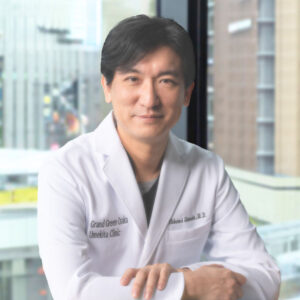
Director, Medical Corporation Shimada Clinic
Head of Clinical Practice, Grand Green Osaka Umekita Clinic
Hidenori Shimada
Graduated from the University of Tokushima Faculty of Medicine in 2005. After his initial residency, he obtained U.S. medical certification (ECFMG) and trained as a sub-intern in general surgery at the University of Washington. After completing the doctoral program at Kyoto University Graduate School of Medicine and working as a researcher at the Center for iPS Cell Research and Application (CiRA), Kyoto University, he founded Shimada Clinic in 2013. At Grand Green Osaka Umekita Clinic (https://umekitaclinic.org), he is engaged in a wide range of care, from internal medicine and pediatrics to cell therapy and aesthetic medicine.
* The physician supervision of this article covers its academic content only and does not constitute a recommendation of any specific treatment or product.