Strengthening the immune poweryou were born withNK Cell Therapy
An immune cell therapy in which your own NK cells are activated and expanded outside the body, then returned by IV infusion.
A cancer immune cell therapy that activates and expands your own NK cells and returns them to your body.
NK (natural killer) cells are innate immune cells that patrol the body and attack cancer cells and virus-infected cells on sight. However, NK cell activity is known to decline with age, stress, and the effects of cancer itself. In NK cell therapy, NK cells obtained from a standard blood draw are activated and expanded at a specialized facility, then returned to your body by IV infusion.
More of the cells that fight on your immune front line — and stronger.A therapy that works with your own immunity— a treatment option worth knowing about.
What are NK cells?
NK cells — "natural killer" cells — are a type of lymphocyte that circulates in the blood, rapidly detecting and attacking cancer cells and virus-infected cells. Their defining feature is that they can attack on their own, without waiting for orders from other immune cells.
Cancer and immune surveillance
Even in healthy people, abnormal cells that could develop into cancer are thought to arise every day. Most people still do not develop cancer because immune cells, including NK cells, find and eliminate these abnormal cells — a mechanism called immune surveillance. When this surveillance weakens, abnormal cells are thought to slip through and multiply more easily.
What is NK cell therapy?
In this therapy, NK cells obtained from a blood draw are activated and expanded at a licensed cell processing facility, then returned to your body by IV infusion. By returning NK cells that are greater in number and higher in activity, the therapy aims to reinforce weakened immune function.
Features of NK Cell Therapy
Feature1
Few side effects — it uses your own cells
Because the therapy uses your own (autologous) cells, the risk of rejection is low and serious side effects have rarely been reported. Temporary fever or fatigue may occur.
Feature2
Gentle on the body — just a blood draw and an IV drip
Treatment involves only a standard blood draw and an IV infusion, with no hospitalization, so you can continue your daily life during treatment.
Feature3
Can be combined with standard cancer treatment
The therapy does not interfere with surgery, chemotherapy, or radiation therapy, so it can be used alongside them. We can also coordinate with the medical institution providing your standard treatment.
Feature4
Also used for recurrence prevention and health maintenance
The therapy can also be received with the aim of preventing recurrence after cancer treatment or maintaining immune function.
Feature5
Safety management under Japanese law
Treatment is provided under a regenerative medicine provision plan submitted to and accepted by Japan's Ministry of Health, Labour and Welfare. Cell culturing is performed at a licensed cell processing facility.
Four Defining Traits of NK Cells
True to their name, natural killer cells are the front-line force of innate immunity — able to attack abnormal cells without any prior "training."
Trait 1
They attack directly, on their own
NK cells attack abnormal cells on sight, without waiting for orders from other immune cells.
Read more
Using molecules called perforin and granzymes, they puncture the membranes of cancer cells and drive them to cell death. Unlike killer T cells, they need no prior "training" (antigen presentation).
Trait 2
They spot abnormal cells early
NK cells recognize and attack cells that have lost the "ID card" (MHC molecules) carried by normal cells.
Read more
Cancer cells sometimes reduce their MHC molecules to escape killer T cells. NK cells target precisely those "cells without ID," making them well suited to eliminating cancer cells that try to hide from the immune system (the missing-self hypothesis).
Trait 3
They rally other immune cells
NK cells secrete cytokines that boost the response of the wider immune system.
Read more
They produce cytokines such as IFN-γ and have been reported to help activate cells of the adaptive immune system, including dendritic cells and T cells.
Trait 4
They team up with antibodies
NK cells find and attack cells that antibodies have marked (ADCC).
Read more
Part of the effect of antibody drugs is known to work through NK-cell-mediated ADCC (antibody-dependent cellular cytotoxicity), giving NK cells an important role in modern cancer treatment.
NK cell activity declines with age and stress.
NK cell activity is known to decline with age. Stress, lack of sleep, and lifestyle disruption have also been reported to lower it. NK cell therapy aims to replenish the number and activity of these weakened "sentinels" by culturing your own cells.
People Who Consult Us About This Treatment
Those diagnosed with cancer who are looking for a therapy that can accompany standard treatment
Those who want to work on preventing recurrence after surgery, chemotherapy, or radiation
Those who prefer a treatment with a light physical burden and few side effects
Those with a strong family history of cancer who want to work on prevention
Those concerned about declining immune function due to age or stress
* Eligibility is determined by our physicians based on examination and test results. Please feel free to consult us first.
Please feel free to contact us about treatment details, fees, or any concerns.
Treatment involves only blood draws and IV infusions, all on an outpatient basis.
01
First visit & blood tests
A physician discusses your condition and goals, and explains the treatment, its risks, and fees. Blood tests confirm whether you are eligible for treatment.
02
Blood draw
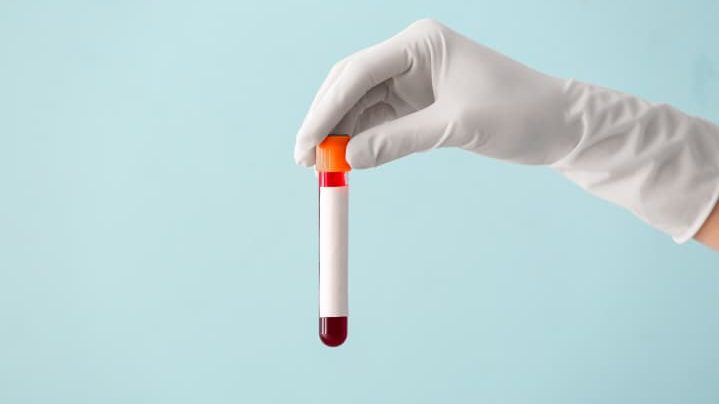
A standard blood draw collects the blood from which your NK cells are obtained. It takes a few dozen minutes.
03
Cell culturing (approx. 2–3 weeks)
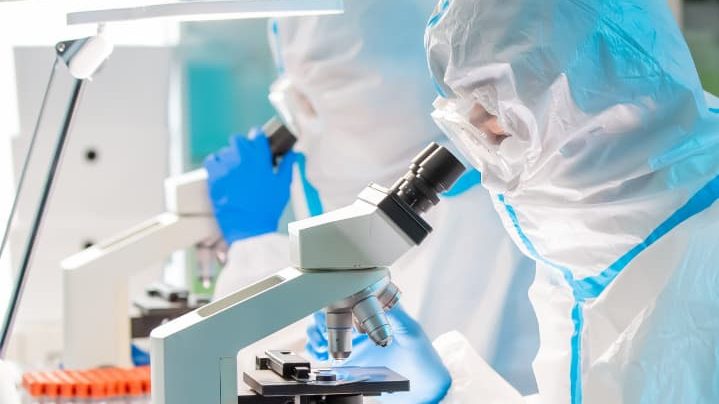
Your NK cells are activated and expanded at a licensed cell processing facility.
04
IV infusion
The activated NK cells are returned to your body by IV drip. The infusion takes about one hour.
05
Ongoing treatment & follow-up
Blood draws and infusions are repeated according to your treatment plan. We will propose the number and interval of treatments after examination.
Fees
Fees depend on your treatment plan, including the number of infusions. After your consultation, we will provide a personalized treatment plan together with an estimate.
This treatment is not covered by public health insurance in Japan. For details, please contact us by phone or online.
First visit & consultation
Please contact us for fees
Treatment fee
Please contact us for fees* Fees vary with the number of infusions. * This is a self-funded (non-insured) treatment.
Duration
Approx. 2–3 weeks from blood draw to infusion (number of infusions depends on the treatment plan)
Hours
By appointment only
Risks & Side Effects
Temporary fever, fatigue, or pain at the injection site after infusion
Allergic reactions may occur in rare cases
Results vary between individuals; the therapy does not guarantee a cure or suppression of cancer
Its effectiveness as a standalone treatment has not been established; it is not a substitute for standard treatment (surgery, chemotherapy, radiation)
* Treatment may be postponed or cancelled depending on your condition or test results on the day.
Frequently Asked Questions
A
It can be considered for many solid cancers, but some cancers — including certain blood cancers — may not be eligible. Our physicians will decide after examination.
A
Because your own cells are used, serious side effects have rarely been reported. Temporary fever or fatigue may occur, but usually resolves on its own.
A
Yes. We adjust the treatment plan to fit your chemotherapy or radiation schedule.
A
Yes — the therapy can also be received to help prevent recurrence after cancer treatment or to maintain immune function. Please consult us at your examination.
A
Culturing takes about 2–3 weeks, and infusions are generally given multiple times according to the treatment plan. We will propose the number and interval after examination.
A
No. This is a self-funded treatment and is not covered by Japanese public health insurance.
Scientific Background
1. The discovery of NK cells
NK cells were discovered in 1975 by Kiessling and colleagues at the Karolinska Institute in Sweden. Until then, lymphocytes were thought to attack only after "learning" an enemy they had encountered before — but NK cells proved to be an entirely new type of lymphocyte, able to attack cancer cells without prior learning. This innate ("natural") killing ability is where the name "natural killer cell" comes from. NK cells have since been studied worldwide for half a century as a central player in innate immunity.
2. "Missing self" — how NK cells recognize cancer
In 1986, Kärre and colleagues at the Karolinska Institute reported in the journal Nature that NK cells selectively attack cells that have lost their MHC molecules — the "ID card" of a healthy cell. Cancer cells sometimes reduce their MHC molecules to escape attack by killer T cells. NK cells, however, target precisely those cells that have lost their ID, allowing them to catch cancer cells that try to hide from the immune system. This discovery of "missing self" showed that NK cells and killer T cells complement each other's weaknesses.
The missing-self mechanism (conceptual)
3. Epidemiology: NK activity and cancer incidence
A landmark study on the relationship between NK cell activity and cancer is the epidemiological study reported by Imai and colleagues in The Lancet in 2000. The researchers measured blood NK cell activity in 3,625 residents of the general population and followed them for 11 years. The group with low NK activity showed a higher risk of developing cancer than the groups with high or medium activity. The study is still widely cited as evidence that maintaining NK cell function may be relevant to cancer prevention.
Epidemiology of NK activity and cancer (conceptual)
Conceptual diagram based on Imai K, et al. Lancet. 2000
4. Bringing NK cells into treatment
Research on using activated, expanded NK cells for cancer treatment is advancing worldwide. In 2002, a study in the journal Science reported that donor-derived NK cells suppressed leukemia relapse in hematopoietic stem cell transplantation, drawing clinical attention to the anti-tumor effect of NK cells. In Japan, a phase I clinical trial in patients with advanced digestive cancer — using autologous NK cells massively expanded outside the body — reported no serious adverse events in 2015. At the same time, the effectiveness of NK cell therapy as a standalone treatment has not been established, and research continues on its role alongside standard treatment and in recurrence prevention.
A Japanese phase I trial of autologous NK cell therapy in advanced digestive cancer; no serious adverse events were observed.
Provided Under the Act on the Safety of Regenerative Medicine
This treatment is provided under a regenerative medicine provision plan submitted to and accepted by Japan's Ministry of Health, Labour and Welfare (regional bureau), as required by the Act on the Safety of Regenerative Medicine.
Cell culturing and processing are performed at a cell processing facility notified to the Ministry of Health, Labour and Welfare.
This treatment is self-funded and not covered by Japanese public health insurance.
Web booking is not available for cell therapies. Please contact us first — via the online inquiry form or by phone — about treatment details, fees, or any concerns.