Harnessing your own cells'power to regenerateAdipose-Derived Stem Cell Therapy
A regenerative treatment in which mesenchymal stem cells taken from your own fat tissue are cultured, expanded, and returned to your body by IV infusion.
Regenerative medicine that supports tissues affected by aging and inflammation — using your own stem cells.
Stem cells are the body's built-in resource for replacing lost cells and repairing damaged tissue. Their numbers decline with age, and with them, the body's capacity to recover. In this treatment, a very small amount of your fat tissue is collected, the mesenchymal stem cells it contains are cultured and expanded at a specialized facility, and the cells are then returned to your body by IV infusion.
The power to heal is already within you.Regenerative medicine using your own cells— a treatment option worth knowing about.
What are stem cells?
The human body is made up of roughly 37 trillion cells, with old cells constantly being replaced by new ones. Stem cells are the source of this renewal. They have two defining abilities — differentiating into various cell types and replicating themselves — and are responsible for maintaining and repairing our tissues.
What are mesenchymal stem cells (MSCs)?
Mesenchymal stem cells are somatic stem cells found in fat tissue, bone marrow, and elsewhere. In addition to differentiating into fat, bone, and cartilage cells, they have been reported to secrete anti-inflammatory substances and growth factors that support the repair of damaged tissue. Research and clinical applications are advancing worldwide.
Why collect them from fat?
Mesenchymal stem cells can also be harvested from bone marrow, but bone marrow collection places a significant burden on the body. Fat tissue is considered to contain more mesenchymal stem cells than bone marrow, and it can be collected through a small incision under local anesthesia. Only a few rice-grain-sized pieces of fat are needed.
Features of This Treatment
Feature1
Uses only your own cells
Because the treatment uses your own (autologous) cultured cells, the risk of rejection or allergic reaction is lower than with donor cells or artificial materials.
Feature2
Outpatient treatment — no hospitalization
Fat collection is performed under local anesthesia, and both collection and infusion are done on an outpatient basis, so treatment can fit around your work and daily life.
Feature3
A whole-body approach via IV infusion
The cultured stem cells are administered by IV drip. Infused mesenchymal stem cells have been reported to travel through the bloodstream and accumulate at sites of inflammation or damage (the "homing" effect).
Feature4
Safety management under Japanese law
Treatment is provided under a regenerative medicine provision plan submitted to and accepted by Japan's Ministry of Health, Labour and Welfare, as required by the Act on the Safety of Regenerative Medicine. Cell culturing is performed at a licensed cell processing facility in Japan.
Feature5
Compatible with your current care
We design a realistic treatment plan after reviewing your current treatments and medications, and can coordinate with your primary physician on request.
Four Reported Actions of MSCs
Beyond differentiating into various cell types, cultured mesenchymal stem cells have been reported to secrete a wide range of substances that help regulate surrounding tissue and immune function.
Action 1
Calming inflammation
MSCs have been reported to counteract inflammatory substances and help settle chronic inflammation.
Read more
Numerous laboratory studies report that MSCs secrete anti-inflammatory cytokines that shift the local environment away from excessive inflammatory responses.
Action 2
Supporting tissue repair
MSCs are expected to support the repair of damaged tissue by secreting growth factors.
Read more
Rather than simply replacing damaged cells, MSCs secrete factors that encourage surrounding cells to proliferate and repair — the "trophic effect" now considered one of the central mechanisms of their therapeutic action.
Action 3
Supporting new blood vessel formation
MSCs have been reported to secrete factors that support the formation of new blood vessels in poorly perfused tissue.
Read more
Research is exploring how factors such as VEGF secreted by MSCs may support improved blood flow to damaged tissue.
Action 4
Balancing the immune system
MSCs have been reported to moderate excessive immune reactions and help restore immune balance.
Read more
Their immunomodulatory action is well documented; in Japan, an MSC-based regenerative medicine product has been approved for graft-versus-host disease, a transplant complication.
People Who Consult Us About This Treatment
Those concerned about declining stamina and slower recovery with age
Those troubled by joint pain or chronic inflammation
Those concerned about lifestyle-related diseases or arteriosclerosis
Those looking for options that do not involve surgery
Those who want to invest in long-term health and healthy aging
* Eligibility is determined by our physicians based on examination and test results. Please feel free to consult us first.
Please feel free to contact us about treatment details, fees, or any concerns.
Carried by the bloodstream to where they are needed.
Infused mesenchymal stem cells have been reported to sense signals released from inflamed or damaged sites and to gather there via the bloodstream — a property known as the homing effect. It is this property that allows a simple IV infusion, rather than surgery, to aim at supporting damaged tissue throughout the body.
Carefully cultured at a licensed facility.
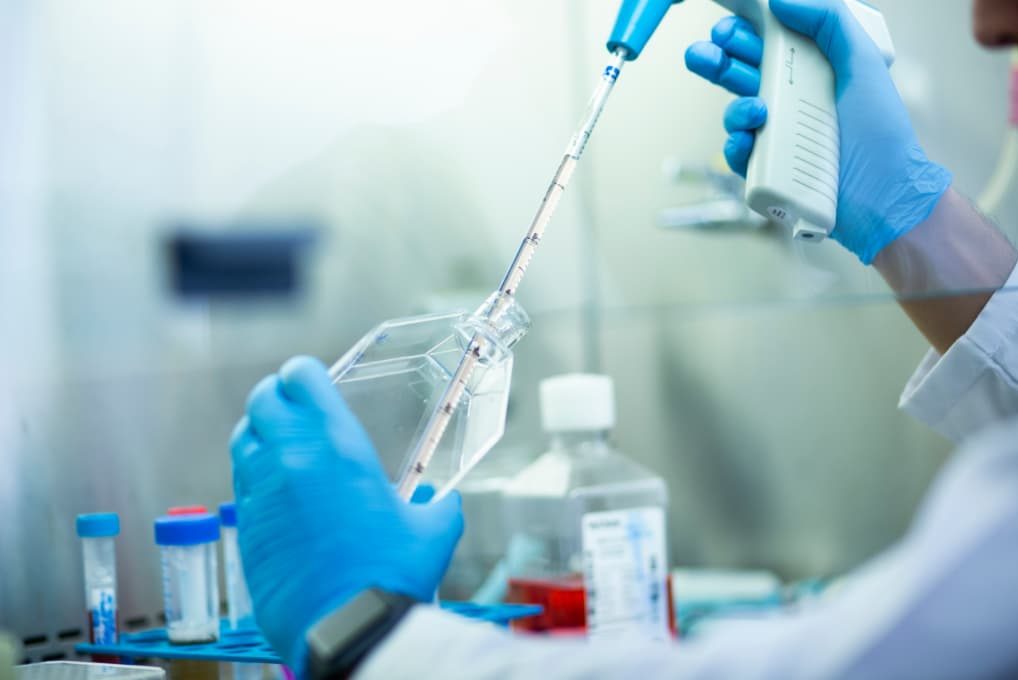
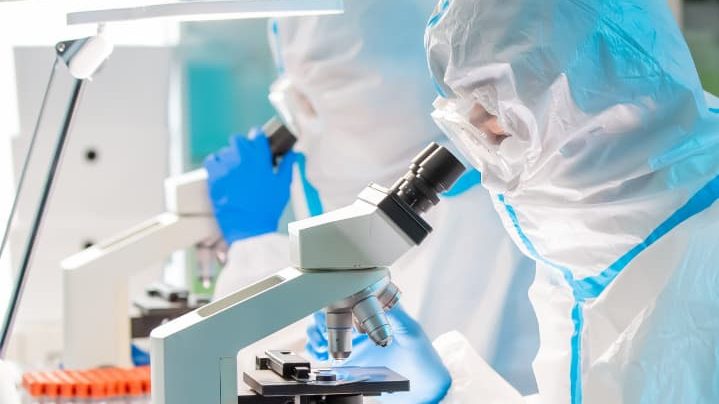
The collected fat tissue is transported to a cell processing facility notified to Japan's Ministry of Health, Labour and Welfare, where the cells are cultured for about four to six weeks until they reach the number required for treatment. Sterility and cell condition are monitored throughout, and only cells that meet quality standards are used.
Treatment Flow
Everything from the first visit to infusion is completed on an outpatient basis. The interval between fat collection and infusion depends on culturing progress.
01
Consultation & first visit
A physician discusses your condition and goals, and explains the treatment, its risks, and fees. Blood tests confirm whether you are eligible for treatment.
02
Fat tissue collection
Under local anesthesia, a few rice-grain-sized pieces of fat tissue are collected, usually from the abdomen. The procedure takes about 30 minutes and you can go home the same day.
03
Cell culturing (approx. 4–6 weeks)
The collected tissue is transported to a licensed cell processing facility, where the mesenchymal stem cells are cultured and expanded to the number required for treatment.
04
Stem cell infusion
The cultured stem cells are returned to your body by a slow IV drip. The infusion takes about one to two hours.
05
Follow-up
We monitor your condition at regular follow-up visits. Depending on your goals and condition, additional infusions may be recommended.
Fees
Fees depend on your treatment plan, including the number of cells administered and the number of infusions. After your consultation, we will provide a personalized treatment plan together with an estimate.
This treatment is not covered by public health insurance in Japan. For details, please contact us by phone or online.
First visit & consultation
Please contact us for fees
Treatment fee
Please contact us for fees* Fees vary with the number of cells and infusions. * This is a self-funded (non-insured) treatment.
Duration
Approx. 4–6 weeks from fat collection to infusion
Hours
By appointment only
Risks & Side Effects
Bruising, swelling, pain, or infection at the fat collection site (most resolve within days to a few weeks)
Temporary fever or fatigue after infusion
Results vary between individuals; no particular outcome can be guaranteed
* Treatment may be postponed or cancelled depending on your condition or test results on the day.
Frequently Asked Questions
A
No. Both the fat collection and the stem cell infusion are outpatient procedures.
A
Local anesthesia is used, so there is little pain during the procedure. Some discomfort may occur after the anesthesia wears off, but it usually subsides within a few days.
A
This varies with your goals, condition, and individual response. Many people report changes over several weeks to months, but results cannot be guaranteed.
A
Depending on your goals, multiple infusions may be recommended. We will discuss a treatment plan with you after your consultation.
A
No. This is a self-funded treatment and is not covered by Japanese public health insurance.
A
Some people cannot receive it — for example, those with certain infectious diseases or those currently undergoing cancer treatment. Eligibility is determined by our physicians based on examination and blood test results.
Scientific Background
1. A brief history of MSC research
Research on mesenchymal stem cells traces back to the 1960s–70s, when Friedenstein and colleagues identified cells in bone marrow capable of forming bone and related tissues. In 1999, Pittenger and colleagues reported in the journal Science that human bone-marrow-derived MSCs can differentiate into fat, bone, and cartilage — the "multilineage potential" that sparked worldwide research. Then in 2001, Zuk and colleagues reported that fat tissue also contains abundant stem cells with similar multilineage potential, opening the door to stem cell therapy using easily accessible adipose tissue.
A brief history of MSC research (overview)
2. More than simple replacement
As research advanced, it became clear that the therapeutic effects of MSCs cannot be explained by cell replacement alone. In 2006, Caplan — a pioneer of MSC research — proposed the "trophic effect": MSCs secrete anti-inflammatory substances and growth factors that help surrounding tissue repair itself. This secretory action is now considered one of the central mechanisms of their therapeutic effect. The mechanism by which intravenously infused MSCs gather at sites of inflammation ("homing") was comprehensively reviewed by Karp and colleagues in 2009, and research continues worldwide.
3. Expanding clinical research
Adipose-derived MSCs are being studied clinically for a range of conditions, most notably knee osteoarthritis. In 2019, a phase IIb randomized placebo-controlled trial in patients with knee osteoarthritis reported improvements in symptoms and function in the group receiving autologous adipose-derived MSCs. At the same time, results vary by administration method and target condition, and no outcome can be guaranteed for every patient. We design each treatment plan individually, informed by research trends in Japan and abroad.
How a randomized controlled trial works (conceptual)
A phase IIb randomized placebo-controlled trial of autologous adipose-derived MSCs for knee osteoarthritis.
Provided Under the Act on the Safety of Regenerative Medicine
This treatment is provided under a regenerative medicine provision plan submitted to and accepted by Japan's Ministry of Health, Labour and Welfare (regional bureau), as required by the Act on the Safety of Regenerative Medicine.
Cell culturing and processing are performed at a cell processing facility notified to the Ministry of Health, Labour and Welfare.
This treatment is self-funded and not covered by Japanese public health insurance.
Web booking is not available for cell therapies. Please contact us first — via the online inquiry form or by phone — about treatment details, fees, or any concerns.