Hello, I am Dr. Hidenori Shimada of Grand Green Osaka Umekita Clinic in Osaka, Japan.
NK cell therapy is a form of immunotherapy that utilizes the body’s own Natural Killer (NK) cells to help fight cancer. A common question from those considering this treatment is: what exactly happens to my cells after they are collected? This article provides a look behind the scenes at the NK cell culture process in Japan, explaining how your immune cells are prepared in a highly controlled environment before being returned to your body.
What Happens After My Blood is Drawn for NK Cell Therapy?
The journey begins with a simple procedure similar to a routine health check: a blood draw. A specific amount of your peripheral blood is collected at the clinic. This sample contains various types of cells, including the NK cells that are the key players in this therapy. However, the number of NK cells circulating in the blood at any given time is relatively small.
To be effective for therapeutic purposes, this small population of cells needs to be significantly expanded. Therefore, your blood sample is immediately and carefully transported to a specialized Cell Processing Center (CPC). These are not standard laboratories; they are highly sophisticated facilities designed and licensed specifically for culturing human cells for medical use, operating under stringent quality and safety protocols.
Inside the Cell Processing Center: The Culturing Journey
Once your sample arrives at the CPC, a multi-step process known as “ex vivo expansion” begins. This process takes place over several weeks in a sterile, controlled environment.
- Isolation: The first step is to separate the NK cells from the other components of your blood, such as red blood cells and other types of lymphocytes. This purification step ensures that the subsequent culture process focuses specifically on the target cells.
- Activation and Expansion: The isolated NK cells are placed in a special culture medium. This is a nutrient-rich liquid that contains substances designed to stimulate the cells to activate and multiply. Factors like cytokines (e.g., Interleukin-2) are often used to encourage the cells to proliferate, increasing their numbers from thousands to billions. This phase is critical for generating a large and potent army of NK cells.
- Quality Control: Throughout the culture period, rigorous quality and safety checks are performed. Technicians monitor the cells to ensure they are growing correctly and remain healthy. Most importantly, the culture is tested to confirm its purity and to ensure it is free from any bacterial or viral contamination. This step is fundamental to the safety of the final therapeutic product.
- Final Preparation: After the expansion phase is complete and all quality checks have been passed, the cells are harvested, washed, and suspended in a solution suitable for intravenous (IV) infusion. The final product is a concentrate of your own (autologous) highly active NK cells, ready to be transported back to the clinic for your treatment.
Ensuring Safety and Quality: Japan’s Regulatory Framework
Patient safety is the highest priority in regenerative medicine. In Japan, treatments like NK cell therapy are provided under a strict legal framework. The “Act on the Safety of Regenerative Medicine” requires medical institutions to submit their treatment plans to the Ministry of Health, Labour and Welfare (MHLW) for review and approval.
This regulation ensures that the therapy is conducted based on scientific evidence and with appropriate safety measures. Furthermore, the Cell Processing Centers (CPCs) that handle the cell culturing must also be licensed and comply with specific structural and operational standards. This comprehensive oversight, from the clinic to the lab, is designed to ensure the quality, consistency, and safety of the autologous cell therapy you receive.
Key Considerations for NK Cell Therapy
Understanding the culture process is important, but it’s also crucial to have a clear perspective on the therapy itself. NK cell therapy is not presented as a cure for cancer. It is often considered as a treatment that can be used in combination with standard cancer treatments, such as surgery, chemotherapy, or radiation therapy. The goal is to support the body’s natural immune function, which can be weakened by cancer or its treatments.
This treatment is provided as private medical care and is not covered by Japanese public health insurance. Because it uses a patient’s own cells, the risk of severe side effects is generally considered low, but temporary symptoms like fever or fatigue may occur. The suitability, potential effects, risks, and treatment plan can vary significantly from person to person. Therefore, a thorough consultation with a physician is essential to determine if this therapy is an appropriate option for your specific condition.
Learn More About NK Cell Therapy in Osaka
The journey from a blood sample to a therapeutic infusion is a testament to the advanced science and rigorous safety standards governing regenerative medicine in Japan. Understanding this process can help you make a more informed decision about your healthcare options.
At Grand Green Osaka Umekita Clinic, we provide consultations for patients interested in learning more about NK cell therapy. During a consultation, our physicians will explain the process in detail, answer your questions, and assess your individual situation. For a comprehensive overview of the treatment flow, features, and other important information, please visit our main NK Cell Therapy page.
Learn more about NK Cell Therapy at Grand Green Osaka Umekita Clinic
Ultimately, the decision to pursue any medical treatment should be made after careful consideration and discussion with a qualified medical professional. By understanding the science and safety measures behind the NK cell culture process, you can approach this conversation with greater clarity and confidence.
References
- PMC: Lymphocyte expansion in bioreactors: upgrading adoptive cell therapy. (2021)
- PMC: Expanded taxonomies of human memory. (2024)
- PMC: Ex vivo expansion of human peripheral blood natural killer cells and cytotoxic T lymphocytes from lung cancer patients. (2018)
- PMC: Cytokines impact natural killer cell phenotype and functionality against glioblastoma in vitro. (2023)
- MHLW (Japan): Regenerative Medicine — Ministry of Health, Labour and Welfare, Japan
Supervising Physician
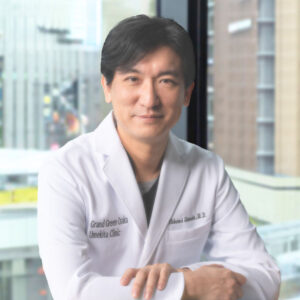
Director, Medical Corporation Shimada Clinic
Head of Clinical Practice, Grand Green Osaka Umekita Clinic
Hidenori Shimada
Graduated from the University of Tokushima Faculty of Medicine in 2005. After his initial residency, he obtained U.S. medical certification (ECFMG) and trained as a sub-intern in general surgery at the University of Washington. After completing the doctoral program at Kyoto University Graduate School of Medicine and working as a researcher at the Center for iPS Cell Research and Application (CiRA), Kyoto University, he founded Shimada Clinic in 2013. At Grand Green Osaka Umekita Clinic (https://umekitaclinic.org), he is engaged in a wide range of care, from internal medicine and pediatrics to cell therapy and aesthetic medicine.
* The physician supervision of this article covers its academic content only and does not constitute a recommendation of any specific treatment or product.