Hello, I am Dr. Hidenori Shimada of Grand Green Osaka Umekita Clinic in Osaka, Japan.
The landscape of cancer treatment is continually evolving, with immunotherapy emerging as a significant pillar alongside surgery, chemotherapy, and radiation. Among these innovative approaches, combining different types of therapies to create a synergistic effect is a key area of research. One such combination involves using NK (Natural Killer) cell therapy to potentially enhance the effectiveness of antibody treatments. This article explores the scientific mechanism behind this synergy, known as Antibody-Dependent Cellular Cytotoxicity (ADCC), and what it means for patients exploring advanced cancer care options in Japan.
Understanding Antibody-Dependent Cellular Cytotoxicity (ADCC)
Many modern cancer treatments use monoclonal antibodies, which are lab-engineered proteins designed to target specific molecules on the surface of cancer cells. While these antibodies can block cancer cell growth signals on their own, one of their most important functions is to act as a flag, marking cancer cells for destruction by the immune system. This is where ADCC comes into play.
ADCC is a process where an immune cell, most notably a Natural Killer (NK) cell, recognizes the tail end (Fc region) of an antibody that is attached to a cancer cell. The NK cell has a specific receptor (CD16) that binds to this antibody. This binding acts as a bridge, connecting the NK cell directly to the targeted cancer cell and triggering the NK cell to release cytotoxic substances, like perforin and granzymes, that destroy the cancer cell. In essence, the antibody drug provides the targeting system, and the NK cell provides the firepower.
The Critical Role of NK Cells in Immunity
NK cells are a vital component of the body’s innate immune system. As their name suggests, they are “natural killers” that patrol the body, identifying and eliminating abnormal cells, such as cancer cells or virus-infected cells, without prior sensitization. Unlike other immune cells that need to be “trained” to recognize a specific target, NK cells can attack on sight.
However, the number and activity of NK cells can decline due to factors like aging, chronic stress, or the cancer itself. When the immune surveillance system weakens, cancer cells may have a greater opportunity to grow and spread. This decline in NK cell function can also limit the effectiveness of antibody treatments that rely on the ADCC mechanism.
How NK Cell Therapy Aims to Bolster ADCC
NK cell therapy is a type of adoptive cell therapy that seeks to address the issue of diminished NK cell function. The process involves collecting a patient’s own NK cells from a blood sample. These cells are then activated and expanded in number in a specialized cell processing facility over several weeks. Finally, this larger, more active population of NK cells is returned to the patient’s body through an IV infusion.
The central hypothesis for combining this therapy with antibody treatments is straightforward: if the effectiveness of ADCC depends on the presence of active NK cells, then increasing the number and potency of these cells could potentially enhance the overall anti-cancer effect. By supplying a reinforced army of NK cells, the therapy aims to increase the chances that antibody-marked cancer cells will be found and eliminated. This approach is viewed as a way to support and potentially amplify the action of an existing antibody drug, rather than as a standalone cure.
Considerations Before Exploring Combined Immunotherapies
While the scientific rationale is compelling, it is crucial for patients to approach this and any cancer treatment with a clear understanding of several key points. The decision to pursue such a therapy can only be made after a thorough evaluation by a qualified physician.
- Medical Consultation is Essential: The suitability of any treatment, including NK cell therapy, depends on the specific type and stage of cancer, the patient’s overall health, and their current treatment regimen. A doctor must conduct a comprehensive assessment.
- Regulatory Framework in Japan: In Japan, treatments like NK cell therapy are provided under the Act on the Safety of Regenerative Medicine. This means they must adhere to strict government standards for cell processing and patient safety.
- Status as an Adjunctive Therapy: NK cell therapy is not a replacement for standard cancer treatments such as surgery, chemotherapy, or radiation therapy. It is generally considered as a therapy that can be used alongside them.
- Private Medical Service: This therapy is a form of private, non-insured medical care. Patients must discuss all aspects, including the treatment plan, expected number of sessions, potential risks and side effects (such as temporary fever or fatigue), and total costs with their medical team before proceeding.
Learn More About Your Options in Osaka
For international patients seeking information on advanced cancer treatments in Japan, understanding the science behind these therapies is a vital first step. At Grand Green Osaka Umekita Clinic, we believe in empowering patients with clear, evidence-based information to help them have more informed discussions with their healthcare providers. Our team is available to provide consultations on various immune cell therapies and how they may fit into a broader cancer treatment plan.
If you are interested in the principles, process, and considerations involved in this treatment, you can find more detailed information on our NK Cell Therapy service page. This resource provides a comprehensive overview to help you prepare for a medical consultation.
Summary
The combination of NK cell therapy and antibody treatments leverages a natural immune mechanism, ADCC, in a targeted way. By aiming to increase the quantity and quality of the NK cells that carry out the antibody’s instructions, this combined approach represents a promising direction in cancer immunotherapy. However, it is not a guaranteed solution and requires careful consideration. The most important step for any patient is to engage in a detailed discussion with a medical professional to explore all available options and determine the most appropriate path forward for their individual circumstances.
References
- PubMed: Human NK cells and cancer. (2024)
- PubMed: The NK-92 cell line-30 years later: its impact on natural killer cell research and treatment of cancer. (2023)
- PubMed: Membrane-bound IL-21 promotes sustained ex vivo proliferation of human natural killer cells. (2012)
- PubMed: TIM3 on natural killer cells regulates antibody-dependent cellular cytotoxicity in HER2-positive gastric cancer. (2025)
- PubMed: Viral- and tumor-reactive natural killer cells. (2023)
- PMC: Anti-tumor effects of NK cells and anti-PD-L1 antibody with antibody-dependent cellular cytotoxicity in PD-L1-positive cancer cell lines. (2020)
- PMC: Feeder-Free Expanded and Cryopreserved NK Cells Retain Antibody-Dependent Cell Cytotoxicity against HER2-Positive Tumors. (2025)
- PMC: Engineering Bi-Specific CAR-NK Cells to Restore Antibody-Dependent Cellular Cytotoxicity in Solid Tumors. (2026)
- MHLW (Japan): Regenerative Medicine — Ministry of Health, Labour and Welfare, Japan
Supervising Physician
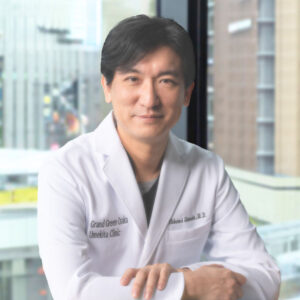
Director, Medical Corporation Shimada Clinic
Head of Clinical Practice, Grand Green Osaka Umekita Clinic
Hidenori Shimada
Graduated from the University of Tokushima Faculty of Medicine in 2005. After his initial residency, he obtained U.S. medical certification (ECFMG) and trained as a sub-intern in general surgery at the University of Washington. After completing the doctoral program at Kyoto University Graduate School of Medicine and working as a researcher at the Center for iPS Cell Research and Application (CiRA), Kyoto University, he founded Shimada Clinic in 2013. At Grand Green Osaka Umekita Clinic (https://umekitaclinic.org), he is engaged in a wide range of care, from internal medicine and pediatrics to cell therapy and aesthetic medicine.
* The physician supervision of this article covers its academic content only and does not constitute a recommendation of any specific treatment or product.