Hello, I am Dr. Hidenori Shimada of Grand Green Osaka Umekita Clinic in Osaka, Japan.
NK cell therapy is gaining attention worldwide as a promising approach in immunotherapy, and Japan is a leading destination for patients seeking this advanced treatment. However, with any innovative medical procedure, patient safety is the foremost concern. If you are considering this therapy, you might wonder about the standards and regulations in place. This article explains how Japan’s robust legal framework, specifically the Act on the Safety of Regenerative Medicine, ensures that patient safety is prioritized at every step.
Japan’s Legal Framework: A Pillar of Safety for NK Cell Therapy
In Japan, NK cell therapy is not an unregulated treatment. It is provided under a strict legal framework established by the Ministry of Health, Labour and Welfare (MHLW). The core of this framework is the “Act on the Safety of Regenerative Medicine” (ASRM). This law was enacted to ensure that regenerative therapies, including cell therapies like NK cell therapy, are delivered to patients safely and appropriately. It mandates a rigorous system of approvals and oversight for both medical institutions and the facilities that process the cells, providing a clear structure for patient protection.
Common Questions About the Safety of Cell Therapy in Japan
For international patients exploring options for medical tourism, understanding the local safety measures is crucial. You may have several questions, such as:
- Is this treatment officially recognized or regulated by the government? How can I be sure the cells are cultured and handled correctly?What specific standards must clinics and laboratories meet?Are the potential risks and benefits clearly explained before I consent?
Japan’s ASRM directly addresses these concerns through a comprehensive, multi-layered system designed to safeguard patients throughout their treatment journey.
What is the Act on the Safety of Regenerative Medicine (ASRM)?
The ASRM is the cornerstone of Japan’s approach to advanced medical care. Its primary goal is to balance the promotion of innovative therapies with the absolute necessity of patient safety. The law achieves this through two main requirements for medical providers offering treatments like NK cell therapy.
1. Submission and Review of Treatment PlansBefore a clinic can offer NK cell therapy, it must submit a detailed treatment plan to the MHLW. This plan is not a simple formality. It must include scientific evidence supporting the therapy’s rationale, a thorough assessment of its potential risks, detailed protocols for every procedure from blood collection to cell infusion, and the full text of the informed consent documents provided to patients. This plan is reviewed by a certified committee of experts to ensure its scientific validity and ethical soundness. Only after the plan is accepted can the clinic proceed with the treatment.2. Licensing of Cell Processing Facilities (CPFs)
The quality of the cells is paramount to the safety of the therapy. The ASRM mandates that the activation and expansion of a patient’s NK cells can only be performed at a Cell Processing Facility (CPF) that has been officially licensed by the MHLW. To obtain this license, a facility must meet stringent criteria regarding its structural integrity, equipment, personnel qualifications, and quality control systems. This ensures that cells are handled in a sterile environment, minimizing the risk of contamination and ensuring the final cell product is of high quality and consistency. This is a key part of the cell therapy standards in Japan.
How Japan’s Regulations Translate to Patient Safety
This legal framework provides tangible protections for patients. The rigorous oversight means that every aspect of the therapy is standardized and monitored. For you as a patient, this translates to several key safety benefits.
Transparency and Informed Consent: The law requires that physicians provide a comprehensive explanation of the treatment. This includes not only the potential benefits but also all known risks, side effects, the expected number of treatments and duration, associated costs, and alternative treatment options. Treatment can only begin after you have given your voluntary and informed consent.Quality Control of Your Cells: Because your own cells are used, the risk of rejection is low. However, the process of culturing them outside the body requires meticulous care. The use of MHLW-licensed CPFs ensures that your cells are managed according to the highest standards, safeguarding their viability and purity.Physician-Led Medical Judgment: NK cell therapy is not a one-size-fits-all solution. A physician must conduct a thorough examination and consultation to determine if you are a suitable candidate. This therapy is considered a form of private, non-insured medical care, and the decision to proceed is always based on an individual medical assessment.Key Points to Check Before Undergoing NK Cell Therapy
When choosing a provider in Japan, it is important to verify that they are operating in full compliance with the law. You should confirm that the clinic has an officially accepted treatment plan from the MHLW and that it partners with a licensed CPF. A reputable clinic will be transparent about its regulatory status.
At Grand Green Osaka Umekita Clinic, we provide NK cell therapy in strict adherence to the Act on the Safety of Regenerative Medicine. Our treatment plans are officially submitted to and accepted by the Ministry of Health, Labour and Welfare, and we work exclusively with a licensed cell processing facility. This commitment to regulatory compliance is central to our patient-first approach. It is important to understand that this therapy aims to support the body’s immune function and is not a guaranteed cure for any disease. It can be used alongside standard treatments like surgery, chemotherapy, or radiation, but should not be considered a replacement for them. The suitability, potential risks, side effects, and costs must be discussed in detail with a physician.For more information on our approach to NK cell therapy, including a detailed overview of the process, please visit our NK Cell Therapy information page.Making an Informed Decision for Your Health
Choosing to undergo an advanced therapy like NK cell therapy is a significant decision. Japan’s Act on the Safety of Regenerative Medicine provides a strong foundation of safety and quality control, giving patients confidence in the treatment they receive. This legal oversight is a critical factor for anyone, especially those traveling for medical care, to consider when evaluating their options.
If you are considering NK cell therapy, we encourage you to seek a comprehensive consultation with a qualified physician. At our clinic in Osaka, we are committed to providing clear, detailed information to help you make a well-informed decision about your health. A doctor’s consultation is essential to determine if this treatment is an appropriate option for your specific condition and health goals.References
- PMC: Establishment of an efficient ex vivo expansion strategy for human natural killer cells stimulated by defined cytokine cocktail and antibodies against natural killer cell activating receptors. (2022)
- PMC: Industry updates in advanced therapy medicinal products and regenerative medicine in January 2026. (2026)
- PMC: Natural killer cell-based senotherapy: a promising strategy for healthy aging. (2025)
- PMC: How to democratize cell and gene therapy: A global approach. (2025)
- MHLW (Japan): Regenerative Medicine — Ministry of Health, Labour and Welfare, Japan
Supervising Physician
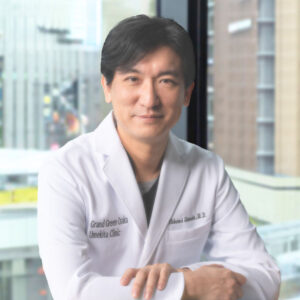
Director, Medical Corporation Shimada Clinic
Head of Clinical Practice, Grand Green Osaka Umekita Clinic
Hidenori Shimada
Graduated from the University of Tokushima Faculty of Medicine in 2005. After his initial residency, he obtained U.S. medical certification (ECFMG) and trained as a sub-intern in general surgery at the University of Washington. After completing the doctoral program at Kyoto University Graduate School of Medicine and working as a researcher at the Center for iPS Cell Research and Application (CiRA), Kyoto University, he founded Shimada Clinic in 2013. At Grand Green Osaka Umekita Clinic (https://umekitaclinic.org), he is engaged in a wide range of care, from internal medicine and pediatrics to cell therapy and aesthetic medicine.
* The physician supervision of this article covers its academic content only and does not constitute a recommendation of any specific treatment or product.