
Hello, I am Dr. Hidenori Shimada of Grand Green Osaka Umekita Clinic in Osaka, Japan.
NK cell therapy is an approach in immunotherapy that utilizes the body’s own Natural Killer (NK) cells to target abnormal cells. As you consider or prepare for this treatment, you might wonder what you can do to support your body’s overall condition. While the therapy itself is administered by medical professionals, certain lifestyle choices can play a supportive role in maintaining your general well-being and immune function. This article explores practical tips for preparing for your cell therapy journey.
The Goal: Supporting Your Immune System Before Treatment
The primary aim of making lifestyle adjustments before NK cell therapy is to support your body’s foundational health. A well-supported immune system is a cornerstone of general wellness. Lifestyle factors such as nutrition, exercise, sleep, and stress management are known to influence immune function. By focusing on these areas, you can create a more favorable internal environment. It is important to understand that these measures are supportive and do not guarantee any specific treatment outcome. All lifestyle changes should be discussed with your physician to ensure they are appropriate for your individual health situation.
How Lifestyle Choices Can Influence NK Cell Activity
NK cells are a critical part of the innate immune system, acting as sentinels that identify and eliminate potentially harmful cells. Research suggests that the activity of these cells can be influenced by various external and internal factors. For instance, chronic stress, poor sleep, and an imbalanced diet have been reported to potentially lower NK cell function. Conversely, a healthy lifestyle may help support the body’s natural immune defenses. This connection is why preparing for NK cell therapy often includes a conversation about your daily habits. The goal is not to directly manipulate the treatment’s effect but to ensure your body is in a state of general well-being, which is beneficial for any medical journey.
Practical Lifestyle Tips for Your Preparation
Here are some actionable areas to focus on, always in consultation with your healthcare provider. These tips are intended for general immune support and are not a substitute for standard medical treatments like surgery, chemotherapy, or radiation therapy.
- Balanced Nutrition: A diet rich in a variety of fruits, vegetables, lean proteins, and whole grains provides essential vitamins, minerals, and antioxidants. These nutrients are fundamental building blocks for all bodily functions, including the immune system. Maintaining a healthy gut microbiome through fiber-rich foods may also play a role in supporting immune responses.
- Moderate Exercise: Regular, moderate physical activity, such as brisk walking, swimming, or yoga, can contribute to better circulation and overall health. It’s important to avoid overexertion. The appropriate type and intensity of exercise depend on your physical condition, so a discussion with your doctor is essential before starting any new regimen.
- Prioritize Quality Sleep: Sleep is a critical time for the body to repair and regenerate. Aim for a consistent sleep schedule in a quiet, dark environment. Chronic sleep deprivation can be a stressor on the body and may affect immune regulation.
- Manage Stress Levels: Chronic stress can have a wide-ranging impact on the body. Incorporating stress-reduction techniques such as mindfulness, meditation, deep breathing exercises, or engaging in hobbies can be beneficial for your mental and physical well-being.
Consulting Your Doctor is a Critical First Step
Before making any significant changes to your diet, exercise routine, or supplement intake, it is crucial to consult with the physician overseeing your treatment. Your doctor can provide personalized advice based on your specific diagnosis, overall health status, and treatment plan. They can help you understand which lifestyle adjustments are safe and potentially beneficial for you, and which should be avoided. Self-judgement can be risky; professional medical guidance ensures that your efforts to support your health are both safe and effective.
Learn More About NK Cell Therapy in Osaka, Japan
At Grand Green Osaka Umekita Clinic, we provide NK cell therapy as one of several options for those interested in cancer immunotherapy. This treatment is offered as a private medical service (not covered by national health insurance) and is provided under a plan submitted to and accepted by Japan’s Ministry of Health, Labour and Welfare, in accordance with the Act on the Safety of Regenerative Medicine. For international patients seeking information on medical tourism in Japan, our clinic offers support. We believe that informed patients are empowered patients. To learn more about the specifics of the therapy, including the process, potential risks, side effects, and costs, a direct consultation with our physicians is necessary. For detailed information, please visit our official page.
Learn more about our NK Cell Therapy here.
Summary: A Proactive Approach to Your Treatment Journey
Preparing for NK cell therapy involves more than just the medical procedures. Taking proactive steps to support your overall health through balanced lifestyle choices can be an empowering part of your journey. By focusing on nutrition, moderate exercise, sleep, and stress management, you can help maintain your body’s general well-being. Remember, these actions are supportive and complementary. The most important step is to maintain open communication with your medical team at Grand Green Osaka Umekita Clinic to ensure your entire care plan is cohesive and tailored to your individual needs. Final decisions about treatment suitability must always be based on a physician’s diagnosis.
References
- PubMed: Myeloid progenitor dysregulation fuels immunosuppressive macrophages in tumours. (2025)
- PubMed: Safety, efficacy and determinants of response of allogeneic CD19-specific CAR-NK cells in CD19+ B cell tumors: a phase 1/2 trial. (2024)
- PubMed: Roles of natural killer cells in immunity to cancer, and applications to immunotherapy. (2023)
- PubMed: Microbiota triggers STING-type I IFN-dependent monocyte reprogramming of the tumor microenvironment. (2021)
- PubMed: Tumor-associated NK cells drive MDSC-mediated tumor immune tolerance through the IL-6/STAT3 axis. (2024)
- PMC: Role and mechanisms of exercise therapy in enhancing drug treatment for glioma: a review. (2025)
- PMC: Chronic exercise training intensity, immune cells, and cancer outcomes: a scoping review. (2026)
- PMC: Targeting Triple NK Cell Suppression Mechanisms: A Comprehensive Review of Biomarkers in Pancreatic Cancer Therapy. (2025)
- MHLW (Japan): Regenerative Medicine — Ministry of Health, Labour and Welfare, Japan
Supervising Physician
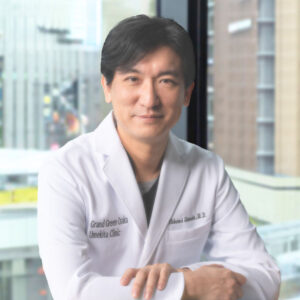
Director, Medical Corporation Shimada Clinic
Head of Clinical Practice, Grand Green Osaka Umekita Clinic
Hidenori Shimada
Graduated from the University of Tokushima Faculty of Medicine in 2005. After his initial residency, he obtained U.S. medical certification (ECFMG) and trained as a sub-intern in general surgery at the University of Washington. After completing the doctoral program at Kyoto University Graduate School of Medicine and working as a researcher at the Center for iPS Cell Research and Application (CiRA), Kyoto University, he founded Shimada Clinic in 2013. At Grand Green Osaka Umekita Clinic (https://umekitaclinic.org), he is engaged in a wide range of care, from internal medicine and pediatrics to cell therapy and aesthetic medicine.
* The physician supervision of this article covers its academic content only and does not constitute a recommendation of any specific treatment or product.