Hello, I am Dr. Hidenori Shimada of Grand Green Osaka Umekita Clinic in Osaka, Japan.
NK cell therapy is gaining attention as a promising option in cancer care, drawing interest from patients worldwide, including those considering medical travel to Japan. As a leader in regenerative medicine, Japan offers advanced cellular therapies. However, since NK cell therapy is an elective treatment not covered by public health insurance, one of the most significant considerations for patients and their families is the cost. This article aims to clarify the factors that influence the price of NK cell therapy in Japan, helping you understand what goes into the overall cost and how to plan accordingly.
Key Takeaway: Cost is Variable and Depends on the Treatment Plan
The cost of NK cell therapy is not a single, fixed price. It varies significantly based on several key factors, primarily the complexity of cell processing, the number of treatment cycles required, and any associated medical examinations. Understanding these components is crucial for making an informed decision. The final treatment plan and its total cost can only be determined after a thorough consultation with a physician who will assess your individual health condition and therapeutic goals.
Breaking Down the Costs: What Are You Paying For?
The total price of NK cell therapy reflects the highly specialized and personalized nature of the treatment. It is composed of several distinct elements, each essential for ensuring the safety and potential efficacy of the therapy. Let’s explore the main components that make up the cost.
1. Cell Processing and CulturingThis is often the most significant portion of the cost. The process involves drawing a patient’s blood, isolating the NK cells, and then activating and expanding them to a large, therapeutically relevant number in a specialized facility known as a cell processing center (CPC). This culturing process requires a highly controlled, sterile environment, sophisticated equipment, and skilled technicians to ensure the quality and safety of the final cell product. In Japan, these procedures are conducted under strict regulations, such as the Act on the Safety of Regenerative Medicine, which adds to the quality assurance and, consequently, the cost. 2. Number of Treatment Cycles
NK cell therapy is typically administered over multiple sessions, or cycles. A single treatment course may involve several infusions of the cultured NK cells over a period of weeks or months. The optimal number of cycles depends on the patient’s condition, treatment goals (e.g., supporting standard cancer treatment, preventing recurrence), and response to the therapy. The total cost will naturally increase with the number of cycles included in the treatment plan. 3. Initial Consultation and Pre-treatment Examinations
Before starting the therapy, a comprehensive medical consultation is necessary to determine if the patient is a suitable candidate. This involves a review of medical history and a series of pre-treatment tests. These tests typically include blood work to check general health status and screen for infectious diseases, ensuring the safety of both the cell culturing process and the patient. 4. Administration and Follow-up Care
Each infusion of the cultured NK cells is a medical procedure that requires professional oversight. The cost also includes monitoring during and after the infusion. Follow-up consultations and potential monitoring tests are also part of the overall care plan to assess the patient’s progress and manage any side effects, which are generally reported to be mild, such as temporary fever or fatigue.
Factors to Consider When Planning Your Budget
When evaluating the cost of NK cell therapy, it’s important to look beyond the numbers and consider the context. Several factors can influence the final price and should be part of your financial planning, especially for those traveling for treatment.
- The Specific Treatment Protocol: Different clinics may use slightly different protocols for cell culturing or administration, which can affect the cost. The targeted cell count and level of activation can also be a factor.
- Combination with Other Therapies: NK cell therapy is often used in conjunction with standard cancer treatments like chemotherapy or radiation. It is not a replacement for these therapies. The overall cost of your cancer care will need to account for all treatments involved.
- Clinic’s Infrastructure and Support: The price reflects the clinic’s investment in state-of-the-art facilities, adherence to regulatory standards, and the expertise of its medical team. For international patients, services like multilingual support may also be part of the comprehensive care package.
- Additional Costs for Medical Tourists: If you are traveling to Japan for treatment, you must also budget for travel, accommodation, daily living expenses, and potential translation or interpretation services. These costs are separate from the medical fees.
Questions to Ask During Your Medical Consultation
A detailed discussion with a physician is the most critical step. This is your opportunity to gain a clear understanding of the proposed treatment and its financial implications. Be prepared to ask specific questions to avoid surprises.
- What is the estimated total cost for the recommended treatment plan?
- What services are included in this cost, and what are potential additional fees (e.g., for extra tests or consultations)?
- How many treatment cycles are anticipated for my condition, and what is the schedule?
- What are the potential risks, side effects, and expected outcomes of this therapy for my specific situation?
- How will this therapy be coordinated with my existing cancer treatments?
It is essential to remember that the suitability of NK cell therapy, along with its potential risks and side effects, must be carefully evaluated by a qualified doctor based on your unique medical profile.
Learn More About NK Cell Therapy in Osaka
At Grand Green Osaka Umekita Clinic, located in the accessible Umeda area of Osaka, we provide NK cell therapy under a treatment plan submitted and accepted in accordance with Japan’s Act on the Safety of Regenerative Medicine. We are committed to providing patients with clear and comprehensive information to help them make informed decisions about their health. While this article provides a general overview, a personal consultation is necessary to discuss your specific case.
For detailed information on our NK Cell Therapy, including the treatment flow and an overview of fee structures, please visit our dedicated page. The page is available in multiple languages to assist our international patients.
Explore Our NK Cell Therapy ServicesConclusion
The cost of NK cell therapy in Japan is a reflection of the advanced, personalized, and highly regulated nature of the treatment. While it represents a significant financial commitment, understanding the factors that contribute to the price—from cell cultivation to the number of cycles—can provide clarity and aid in planning. The most important step is to engage in an open dialogue with a medical professional to receive a personalized assessment and a transparent cost estimate. By doing so, you can thoughtfully consider if this innovative therapy aligns with your health goals and financial circumstances.
References
- PubMed: Pan-cancer profiling of tumor-infiltrating natural killer cells through transcriptional reference mapping. (2024)
- PubMed: Early human lung immune cell development and its role in epithelial cell fate. (2023)
- PubMed: Antitumor effects of intracranial injection of B7-H3-targeted Car-T and Car-Nk cells in a patient-derived glioblastoma xenograft model. (2024)
- PubMed: Synthetic short mRNA prevents metastasis via innate-adaptive immunity. (2025)
- PubMed: Fit-For-All iPSC-Derived Cell Therapies and Their Evaluation in Humanized Mice With NK Cell Immunity. (2021)
- PMC: Cell and gene therapy regulatory, pricing, and reimbursement framework: With a focus on South Korea and the EU. (2023)
- PMC: The Mediterranean Diet as a Sustainable Dietary Pattern: A State-of-the-Art Narrative Review of Health, Environmental and Socioeconomic Dimensions. (2026)
- PMC: Clinical epidemiology and disease burden of nonalcoholic fatty liver disease. (2017)
- MHLW (Japan): Regenerative Medicine — Ministry of Health, Labour and Welfare, Japan
Supervising Physician
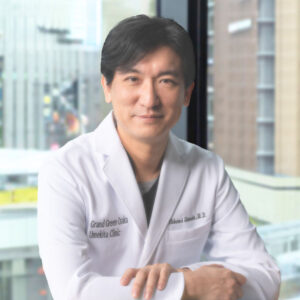
Director, Medical Corporation Shimada Clinic
Head of Clinical Practice, Grand Green Osaka Umekita Clinic
Hidenori Shimada
Graduated from the University of Tokushima Faculty of Medicine in 2005. After his initial residency, he obtained U.S. medical certification (ECFMG) and trained as a sub-intern in general surgery at the University of Washington. After completing the doctoral program at Kyoto University Graduate School of Medicine and working as a researcher at the Center for iPS Cell Research and Application (CiRA), Kyoto University, he founded Shimada Clinic in 2013. At Grand Green Osaka Umekita Clinic (https://umekitaclinic.org), he is engaged in a wide range of care, from internal medicine and pediatrics to cell therapy and aesthetic medicine.
* The physician supervision of this article covers its academic content only and does not constitute a recommendation of any specific treatment or product.