Hello, I am Dr. Hidenori Shimada of Grand Green Osaka Umekita Clinic in Osaka, Japan.
Every day, our bodies are in a silent battle. Abnormal cells, some with the potential to become cancerous, can arise as a part of natural processes. Yet, most of us remain healthy. This is largely thanks to a remarkable internal security system known as ‘immune surveillance.’ This mechanism is our body’s first line of defense, constantly patrolling for and eliminating threats. This article explores the concept of immune surveillance, the crucial role of Natural Killer (NK) cells, and how NK cell therapy is an approach designed to reinforce this vital protective function.
What is Immune Surveillance Theory?
The theory of immune surveillance proposes that the immune system not only protects us from external invaders like bacteria and viruses but also from internal threats, namely cancer cells. It suggests that immune cells constantly patrol the body, identifying and destroying abnormal cells before they can multiply and form tumors. This process is a critical aspect of maintaining health. However, factors such as aging, chronic stress, and certain medical conditions can weaken this surveillance system, potentially allowing abnormal cells to evade detection and proliferate. The strength of our immune surveillance is therefore a key factor in long-term health.
The Role of Natural Killer (NK) Cells: Your Immune Front Line
At the forefront of immune surveillance are Natural Killer (NK) cells. These are a type of white blood cell belonging to the innate immune system, meaning they are always ready to act and do not require prior exposure to a threat to be activated. True to their name, NK cells are specialized in recognizing and directly attacking abnormal cells, including cancer cells and virus-infected cells, on sight. They do this by identifying cells that lack the proper ‘ID cards’ (molecules called MHC class I) that normal, healthy cells display. When an NK cell finds a suspicious cell, it can release cytotoxic granules to induce cell death, effectively neutralizing the threat. The activity and number of these crucial cells are known to decline with age, which is one reason why the risk of certain illnesses may increase over time.
How NK Cell Therapy Aims to Reinforce Natural Defenses
NK cell therapy is a form of immune cell therapy that focuses on augmenting the body’s own defense system. The process is conceptually straightforward and utilizes the patient’s own cells. It typically involves the following steps:
- Blood Collection: A standard blood sample is drawn from the patient.
- Cell Isolation and Expansion: The patient’s NK cells are isolated from the blood sample. In a specialized cell processing facility, these cells are activated and cultured to significantly increase their number and enhance their cell-killing activity.
- IV Infusion: The expanded and activated population of the patient’s own NK cells is then returned to their body through an intravenous (IV) drip.
The primary goal of this therapy is to replenish the body’s pool of active NK cells, thereby aiming to strengthen the immune surveillance mechanism that may have been weakened. Because the therapy uses the patient’s own (autologous) cells, the risk of rejection-related side effects is considered to be low.
Who Considers This Therapy and What to Know
NK cell therapy may be considered for various purposes, such as for individuals seeking to prevent cancer recurrence after standard treatments or those concerned about maintaining robust immune function. It is important to understand that this therapy is not a substitute for standard cancer treatments like surgery, chemotherapy, or radiation therapy. Instead, it may be used in conjunction with them, as it generally does not interfere with these conventional approaches.
This treatment is provided as a private medical service (not covered by public health insurance). In Japan, therapies like this are regulated under the Act on the Safety of Regenerative Medicine, which establishes standards for cell processing and patient safety. The suitability and potential outcomes of NK cell therapy can vary significantly from person to person, and a thorough medical evaluation is essential.
Preparing for a Consultation at Our Clinic
A decision to pursue any medical treatment should be based on accurate information and professional medical advice. Before a consultation, it is helpful to consider your personal health history, any current treatments you are undergoing, and your specific health goals. A physician will need this information to assess whether this therapy is a suitable option for your individual situation.
At Grand Green Osaka Umekita Clinic, we believe in empowering our patients with clear and comprehensive information. For a detailed overview of the NK cell therapy process, including potential risks, side effects, treatment duration, and associated costs, we encourage you to review our dedicated treatment page. This will help you prepare for a productive discussion with our medical team.
Learn more about NK Cell Therapy at Grand Green Osaka Umekita ClinicSummary: A Focus on Supporting Your Innate Immunity
Immune surveillance is a fundamental biological process that protects us from cellular abnormalities. Natural Killer cells are the elite forces of this system. NK cell therapy is an approach that seeks to reinforce this natural defense mechanism by increasing the number and activity of a patient’s own NK cells. It represents a way to work with, rather than against, the body’s innate healing and protective capabilities. The final decision on any treatment plan must be made after a careful and personalized consultation with a qualified physician. If you are in the Osaka area and wish to explore this option further, we welcome you to schedule an appointment to discuss your health in detail.
References
- PubMed: Immune checkpoint HLA-E:CD94-NKG2A mediates evasion of circulating tumor cells from NK cell surveillance. (2023)
- PubMed: Regenerative lineages and immune-mediated pruning in lung cancer metastasis. (2020)
- PubMed: Tumor-induced neurogenesis and immune evasion as targets of innovative anti-cancer therapies. (2020)
- PubMed: Immune surveillance of senescent cells in aging and disease. (2025)
- PubMed: Influenza-trained mucosal-resident alveolar macrophages confer long-term antitumor immunity in the lungs. (2023)
- PMC: Immunological Consequences of Epithelial-Mesenchymal Transition in Tumor Progression. (2016)
- PMC: Cracking the Codes behind Cancer Cells' Immune Evasion. (2024)
- PMC: The concept of immune surveillance against tumors. The first theories. (2017)
- MHLW (Japan): Regenerative Medicine — Ministry of Health, Labour and Welfare, Japan
Supervising Physician
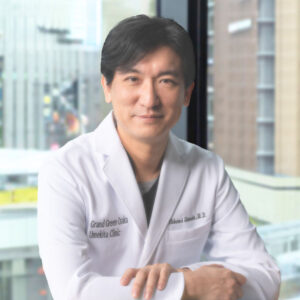
Director, Medical Corporation Shimada Clinic
Head of Clinical Practice, Grand Green Osaka Umekita Clinic
Hidenori Shimada
Graduated from the University of Tokushima Faculty of Medicine in 2005. After his initial residency, he obtained U.S. medical certification (ECFMG) and trained as a sub-intern in general surgery at the University of Washington. After completing the doctoral program at Kyoto University Graduate School of Medicine and working as a researcher at the Center for iPS Cell Research and Application (CiRA), Kyoto University, he founded Shimada Clinic in 2013. At Grand Green Osaka Umekita Clinic (https://umekitaclinic.org), he is engaged in a wide range of care, from internal medicine and pediatrics to cell therapy and aesthetic medicine.
* The physician supervision of this article covers its academic content only and does not constitute a recommendation of any specific treatment or product.