
Hello, I am Dr. Hidenori Shimada of Grand Green Osaka Umekita Clinic in Osaka, Japan.
In the evolving landscape of cancer care, “personalized medicine” is a term that represents a shift towards treatments tailored to the individual. Rather than a one-size-fits-all approach, it focuses on the unique characteristics of a person’s body and their specific condition. One area where this concept is clearly demonstrated is in autologous immunotherapy, particularly NK cell therapy. This treatment uses a patient’s own immune cells, cultured and activated outside the body, to help support the body’s natural defenses. This article explores how this patient-specific method embodies the principles of personalized cancer care.
What is Personalized NK Cell Therapy?
Personalized NK cell therapy is a type of cancer immune cell therapy that leverages the power of your own body. The process begins with a simple blood draw, from which Natural Killer (NK) cells are isolated. NK cells are a crucial part of the innate immune system, acting as the body’s first line of defense, patrolling for and attacking abnormal cells like cancer cells without prior sensitization.
Once collected, these cells are taken to a specialized cell processing facility. There, they are cultured and activated, a process that significantly increases their number and enhances their cell-attacking capabilities. After this expansion phase, the fortified NK cells are returned to the patient’s body through an intravenous (IV) infusion. Because the therapy is created from the patient’s own biological material—a method known as autologous treatment—it is inherently tailored to that individual’s immune system. This patient-specific nature is the cornerstone of its personalized approach.
Why Use a Treatment Derived From Your Own Cells?
The decision to use a patient’s own (autologous) cells is a key feature of this therapy and addresses several important considerations in medical treatment. The primary advantage is the reduced likelihood of rejection or severe immune reactions. The body is less likely to identify these cells as foreign invaders, which can be a concern with treatments using donor cells (allogeneic). This approach aims to work in harmony with the patient’s existing immune system.
This method is generally considered to have a favorable safety profile. While side effects can occur, they have often been reported as mild and temporary, such as a low-grade fever or fatigue following the infusion. The treatment process, involving only a blood draw and an IV drip, is also physically less demanding than many conventional therapies and typically does not require hospitalization. However, it is essential to understand that individual responses can vary, and a thorough discussion with a physician is necessary to evaluate the potential benefits and risks for your specific situation.
The Role of NK Cells in Immune Surveillance
Even in a healthy body, it is thought that abnormal cells with the potential to become cancerous can arise daily. The reason most people do not develop cancer is due to a protective mechanism called “immune surveillance.” NK cells are star players in this process. They constantly circulate throughout the body, identifying and eliminating abnormal cells before they can multiply and form tumors.
However, the effectiveness of this surveillance system is not constant. Factors such as aging, chronic stress, poor nutrition, and lack of sleep can lead to a decline in the number and activity of NK cells. When this defense system weakens, abnormal cells may evade detection and begin to proliferate. NK cell therapy aims to counteract this decline by replenishing the body’s supply of active NK cells, thereby reinforcing its natural ability to monitor and respond to cellular threats.
NK Cell Therapy as a Complementary Option
It is critical to understand that NK cell therapy is not intended to replace standard cancer treatments such as surgery, chemotherapy, and radiation therapy. Instead, it is typically considered as a complementary therapy that can be used alongside conventional treatments. Because it works through a different mechanism—enhancing the body’s immune response—it generally does not interfere with these primary therapies. It may also be considered for individuals who have completed standard treatment and are focused on preventing recurrence.
In Japan, treatments like this are provided as private medical care (not covered by public health insurance) and are regulated under the Act on the Safety of Regenerative Medicine. This ensures that cell processing and treatment administration adhere to strict safety and quality standards. The suitability, potential outcomes, and overall treatment plan must be determined by a physician based on a comprehensive evaluation of the patient’s health, cancer type, and stage.
What to Consider Before Your Consultation
If you are considering personalized NK cell therapy, the most important step is a detailed consultation with a medical professional. This is an opportunity to ask questions and gain a clear understanding of what the treatment entails. A physician will assess your medical history and current condition to determine if you are a suitable candidate.
At Grand Green Osaka Umekita Clinic, located in the Umeda area of Osaka, our team is dedicated to providing patients with the information they need to make well-informed decisions. To understand the specific treatment flow, potential risks, side effects, and associated costs, a direct consultation is essential. For a general overview of our approach and the therapy itself, we encourage you to review our multilingual NK Cell Therapy information page before your visit.
A Personalized Path to Supporting Your Immunity
Personalized NK cell therapy represents a significant step forward in patient-specific cancer care. By harnessing the innate power of an individual’s own immune cells, it offers a treatment that is fundamentally tailored to their body. It serves as a complementary option that aims to reinforce the body’s natural defenses without the harshness of some conventional treatments. As with any medical procedure, the journey begins with a conversation. A thorough consultation with a qualified physician is the best way to explore whether this personalized approach is a suitable part of your overall healthcare strategy.
References
- PubMed: Better by design: What to expect from novel CAR-engineered cell therapies? (2022)
- PubMed: Breaking boundaries: Current progress of anticancer NK cell-based drug development. (2023)
- PMC: Advancements in adoptive CAR immune cell immunotherapy synergistically combined with multimodal approaches for tumor treatment. (2024)
- PMC: Adoptive Immunotherapy: A Human Pluripotent Stem Cell Perspective. (2023)
- PMC: Redirecting T-cell specificity by introducing a tumor-specific chimeric antigen receptor. (2010)
- PMC: Potential Cancer Prevention and Treatment by Silencing the Killer Cell Immunoglobulin-like Receptor Gene in Natural Killer Cells Derived from Induced Pluripotent Stem Cells. (2016)
- MHLW (Japan): Regenerative Medicine — Ministry of Health, Labour and Welfare, Japan
Supervising Physician
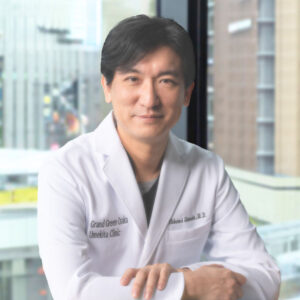
Director, Medical Corporation Shimada Clinic
Head of Clinical Practice, Grand Green Osaka Umekita Clinic
Hidenori Shimada
Graduated from the University of Tokushima Faculty of Medicine in 2005. After his initial residency, he obtained U.S. medical certification (ECFMG) and trained as a sub-intern in general surgery at the University of Washington. After completing the doctoral program at Kyoto University Graduate School of Medicine and working as a researcher at the Center for iPS Cell Research and Application (CiRA), Kyoto University, he founded Shimada Clinic in 2013. At Grand Green Osaka Umekita Clinic (https://umekitaclinic.org), he is engaged in a wide range of care, from internal medicine and pediatrics to cell therapy and aesthetic medicine.
* The physician supervision of this article covers its academic content only and does not constitute a recommendation of any specific treatment or product.