
Hello, I am Dr. Hidenori Shimada of Grand Green Osaka Umekita Clinic in Osaka, Japan.
Completing a cycle of NK (Natural Killer) cell therapy is a significant step in your health journey. However, it often brings new questions to the forefront: What comes next? How is the body’s response monitored? This article provides a general overview of the follow-up and monitoring process after NK cell therapy, helping you prepare for conversations with your medical team about your long-term care plan.
The Goal of Post-Therapy Follow-Up: A Continuous Partnership
The primary goal of follow-up care is not just to assess the outcome of the recent treatment but to establish a sustainable, long-term health management strategy. It’s an ongoing, collaborative process between you and your physician. The objective is to monitor your condition, manage your overall well-being, and make informed decisions about any future steps. This phase is crucial for understanding your body’s immunological state and planning a path forward that is tailored to your unique circumstances. Every patient’s journey is different, and a personalized follow-up plan is essential.
Common Questions After Completing Treatment
It is natural to have many questions after finishing a course of therapy. Patients often wonder about the same key points. Organizing your thoughts around these common concerns can help you have a more productive discussion with your doctor:
- How will we evaluate the body’s response? What specific tests or assessments are used to understand the effects of the therapy?
- What is the schedule for check-ups? How frequently will I need to come in for monitoring, and what will these appointments involve?
- Is further treatment a possibility? Under what circumstances might another cycle of NK cell therapy or other treatments be considered?
- What lifestyle adjustments can support my health? Are there any recommendations regarding diet, exercise, or stress management that can help support my immune function?
- What signs or symptoms should I look out for? Are there any particular changes in my health that I should report to the clinic immediately?
Understanding the Follow-Up Process
The follow-up process after NK cell therapy is highly individualized, based on your initial diagnosis, treatment goals, and overall health. A physician will design a monitoring plan that may include several components. This is not a one-size-fits-all approach; your doctor will determine the most appropriate methods for your situation.
Typical monitoring methods can include:
- Blood Tests: Regular blood work may be performed to check various markers. These can include counts of different immune cells, tumor markers (if applicable), and general health indicators to assess organ function.
- Imaging Studies: Depending on the individual’s condition, imaging tests such as CT, MRI, or PET scans may be used periodically to visually monitor the status of the targeted area.
- Clinical Assessment: Your physician will conduct regular physical examinations and discuss your quality of life, energy levels, and any new or changing symptoms. This subjective feedback is a vital part of the overall assessment.
It’s important to remember that NK cell therapy is often used in conjunction with or after standard treatments like surgery, chemotherapy, or radiation. The follow-up plan will therefore be integrated into your comprehensive cancer care strategy, in coordination with your primary oncologist if applicable.
Long-Term Planning and Immune Support
Long-term care extends beyond medical tests. It involves a holistic view of your health. Your physician may discuss the possibility of additional therapy cycles as a form of maintenance or consolidation, depending on your progress and health goals. The decision to proceed with more treatment is made after careful evaluation and a thorough discussion of the potential benefits and risks.
In Japan, treatments like NK cell therapy are provided as private, non-insured medical services under the regulations of the Act on the Safety of Regenerative Medicine. This framework ensures that cell processing and treatment administration meet specific safety standards. Your long-term plan will be managed within this regulatory context, and all decisions require a physician’s professional judgment.
Alongside medical monitoring, maintaining a healthy lifestyle is often encouraged to support overall well-being and immune function. This includes balanced nutrition, regular physical activity as tolerated, adequate sleep, and stress management techniques. While these lifestyle factors are beneficial for general health, they are not a substitute for medical follow-up.
Preparing for Your Follow-Up Consultation
To make the most of your follow-up appointments, it is helpful to come prepared. Consider writing down your questions and any symptoms or concerns you’ve experienced since your last visit. This ensures you can cover all your points during the consultation.
Key topics to discuss include the results of any recent tests, the recommended schedule for future monitoring, and the long-term outlook. This is also the time to talk about the costs, risks, and potential side effects associated with any proposed future treatments. For a comprehensive overview of the therapy itself, including its principles and the process from initial consultation, you can review our main NK Cell Therapy information page.
Your Partner in Long-Term Health Management
Completing a cycle of NK cell therapy marks the beginning of a new phase focused on long-term monitoring and health management. Regular follow-up is a critical component of this journey, providing a structured way to track your progress and adapt your care plan as needed. At Grand Green Osaka Umekita Clinic, we are dedicated to providing continuous support for our patients. A thorough consultation with a physician is necessary to create a personalized follow-up plan that aligns with your specific health needs and goals. We encourage you to maintain open communication with your medical team to navigate the path ahead with confidence.
References
- PubMed: Natural killer cell therapies. (2024)
- PubMed: An iPSC-derived CD19/BCMA CAR-NK therapy in a patient with systemic sclerosis. (2025)
- PubMed: Adoptive Transfer Colitis. (2019)
- PubMed: CD38 Antibody Daratumumab for the Treatment of Chronic Active Antibody-mediated Kidney Allograft Rejection. (2021)
- PubMed: Targeting leukemic stem cell biomechanics suppresses stemness and enhances NK cell-mediated immunotherapy. (2025)
- PMC: Next-generation multiplex-edited CAR-NK cells: more edits, more power? (2025)
- PMC: Leveraging Natural Killer Cell Innate Immunity against Hematologic Malignancies: From Stem Cell Transplant to Adoptive Transfer and Beyond. (2022)
- PMC: Advances in natural killer cell immunotherapy for hematologic malignancies. (2026)
- MHLW (Japan): Regenerative Medicine — Ministry of Health, Labour and Welfare, Japan
Supervising Physician
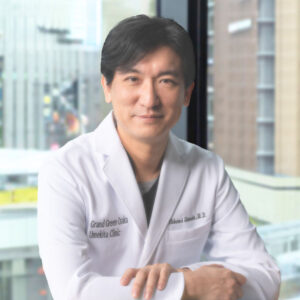
Director, Medical Corporation Shimada Clinic
Head of Clinical Practice, Grand Green Osaka Umekita Clinic
Hidenori Shimada
Graduated from the University of Tokushima Faculty of Medicine in 2005. After his initial residency, he obtained U.S. medical certification (ECFMG) and trained as a sub-intern in general surgery at the University of Washington. After completing the doctoral program at Kyoto University Graduate School of Medicine and working as a researcher at the Center for iPS Cell Research and Application (CiRA), Kyoto University, he founded Shimada Clinic in 2013. At Grand Green Osaka Umekita Clinic (https://umekitaclinic.org), he is engaged in a wide range of care, from internal medicine and pediatrics to cell therapy and aesthetic medicine.
* The physician supervision of this article covers its academic content only and does not constitute a recommendation of any specific treatment or product.