
Hello, I am Dr. Hidenori Shimada of Grand Green Osaka Umekita Clinic in Osaka, Japan.
As medical science advances, cancer immunotherapy has emerged as a significant pillar of treatment, offering new avenues by harnessing the body's own immune system. However, the growing number of options, such as NK cell therapy, CAR-T cell therapy, and dendritic cell therapy, can be complex to navigate. For patients and their families, understanding the fundamental differences is a crucial first step toward having an informed conversation with a medical professional. This article provides a comparative overview of NK cell therapy and other major immunotherapies available, helping you understand your potential options in Japan.
What is NK Cell Therapy? A Focus on Innate Immunity
NK (Natural Killer) cell therapy is a type of immune cell therapy that utilizes a key component of your body's innate immune system. NK cells are a type of lymphocyte that constantly patrols the body, with the inherent ability to identify and attack abnormal cells, such as cancer cells or virus-infected cells, without prior sensitization. They are the immune system's first line of defense.
However, the activity and number of NK cells can decline due to factors like aging, stress, or the cancer itself, potentially weakening this immune surveillance. NK cell therapy aims to counteract this by collecting a patient's own NK cells from a blood sample, activating and expanding them to large numbers in a specialized facility, and then re-infusing them back into the body via an IV drip. The goal is to bolster the body's natural cancer-fighting ability by increasing the number of highly active NK cells.
Comparing Immunotherapies: NK Cells, Dendritic Cells, and CAR-T
While all immunotherapies aim to leverage the immune system against cancer, their mechanisms and approaches differ significantly. Here’s a look at how NK cell therapy compares to other prominent treatments.
NK Cell Therapy
- Mechanism: Utilizes the innate immune system. NK cells recognize and attack cancer cells that have lost certain self-identifying markers (MHC molecules), a common tactic cancer cells use to evade other immune cells like T cells. They can attack directly without needing to be 'trained' first.
- Process: Involves a blood draw, external cell culture and expansion, and re-infusion via IV. It is generally performed on an outpatient basis.
- Considerations: Because it uses the patient's own (autologous) cells without genetic modification, the risk of severe side effects is generally considered low, though temporary fever or fatigue may occur. It can often be used in conjunction with standard cancer treatments like chemotherapy or radiation.
Dendritic Cell (DC) Therapy
- Mechanism: This therapy works with the adaptive immune system. Dendritic cells are the 'generals' of the immune system that present antigens (markers from cancer cells) to T cells, thereby 'training' the T cells to recognize and attack that specific cancer.
- Process: Dendritic cells are collected from the patient's blood, exposed to cancer-specific antigens in a lab, and then re-infused to activate a targeted T-cell response. It is a form of personalized cancer vaccine.
- Considerations: The effect is highly specific to the antigens used. It is a personalized approach that aims to create a long-term immune memory against the cancer.
CAR-T Cell Therapy
- Mechanism: This is a highly advanced form of therapy that involves genetically engineering a patient's T cells. The T cells are modified to produce Chimeric Antigen Receptors (CARs) on their surface, which allows them to recognize and bind to a specific protein on cancer cells with high precision.
- Process: T cells are extracted, sent to a specialized facility for genetic modification, and then infused back into the patient. The process is intensive and typically requires hospitalization.
- Considerations: CAR-T therapy has shown remarkable efficacy, particularly for certain types of blood cancers. However, it can be associated with significant and unique side effects, such as cytokine release syndrome (CRS) and neurotoxicity, which require careful management. Its application is currently limited to specific cancer types.
Key Considerations When Choosing an Immunotherapy
Choosing an immunotherapy is not about finding a single 'best' option, but rather identifying an approach that aligns with an individual's specific circumstances. The decision should always be made in close consultation with a physician. Key factors to discuss include:
- Type and Stage of Cancer: Some therapies are more suited to specific cancer types (e.g., CAR-T for certain leukemias and lymphomas).
- Overall Health: The patient's general health and ability to tolerate potential side effects are critical considerations.
- Treatment Goals: Is the goal to complement standard treatments, manage the disease, or prevent recurrence after primary treatment?
- Physical Burden: Therapies like NK cell therapy, which involve only a blood draw and IV drip, may present a lower physical burden compared to more intensive treatments.
Immunotherapy in Japan: Regulations and What to Expect
In Japan, many advanced cell therapies, including NK cell therapy, are provided as treatment not covered by public health insurance (known as 'free practice' or 'jiyu-shinryo'). These treatments are regulated under Japan's Act on the Safety of Regenerative Medicine, which requires medical institutions to submit their treatment plans to the Ministry of Health, Labour and Welfare for review. This framework ensures that cell processing and treatment administration adhere to strict safety standards.
It is essential for patients to understand that eligibility for any treatment must be determined by a physician based on a thorough medical evaluation. Before starting any therapy, the doctor will provide a detailed explanation of the expected outcomes, potential risks, side effects, treatment duration, and associated costs. This ensures you can make a fully informed decision.
Learning More at Grand Green Osaka Umekita Clinic
Navigating the complexities of cancer treatment options can be challenging. At Grand Green Osaka Umekita Clinic, located in the heart of Osaka, we provide consultations for patients interested in learning more about NK cell therapy. Our medical team takes the time to explain the treatment based on each individual's health condition and concerns, helping you understand if it may be a suitable option to consider as part of your overall care plan.
We believe that providing clear, accurate information is key to empowering patients. For a detailed overview of the treatment process, features, and frequently asked questions, we encourage you to review our dedicated information page. Learn more about our approach to NK Cell Therapy.
Conclusion: Making an Informed Decision
NK cell therapy represents a distinct approach within the broader field of cancer immunotherapy, focusing on enhancing the body's innate defense system with a generally lower physical burden. While it shares the common goal of fighting cancer with therapies like dendritic cell and CAR-T, its mechanism, process, and side effect profile are different. The most appropriate therapeutic path is highly personal and depends on numerous medical factors. The crucial step is to engage in a detailed discussion with a qualified medical professional to explore all available options and make a decision that is right for you.
References
Supervising Physician
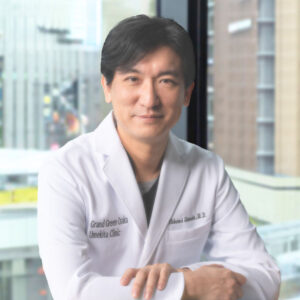
Director, Medical Corporation Shimada Clinic
Head of Clinical Practice, Grand Green Osaka Umekita Clinic
Hidenori Shimada
Graduated from the University of Tokushima Faculty of Medicine in 2005. After his initial residency, he obtained U.S. medical certification (ECFMG) and trained as a sub-intern in general surgery at the University of Washington. After completing the doctoral program at Kyoto University Graduate School of Medicine and working as a researcher at the Center for iPS Cell Research and Application (CiRA), Kyoto University, he founded Shimada Clinic in 2013. At Grand Green Osaka Umekita Clinic (https://umekitaclinic.org), he is engaged in a wide range of care, from internal medicine and pediatrics to cell therapy and aesthetic medicine.
* The physician supervision of this article covers its academic content only and does not constitute a recommendation of any specific treatment or product.