
Hello, I am Dr. Hidenori Shimada of Grand Green Osaka Umekita Clinic in Osaka, Japan.
When facing a cancer diagnosis, exploring all available treatment avenues is a natural step. Among the advancements in immunotherapy, NK (Natural Killer) cell therapy has emerged as a topic of interest. It utilizes the body’s own immune cells to fight cancer. However, a critical question arises: when is the right time to consider this therapy, especially in relation to standard treatments like surgery, chemotherapy, and radiation? The answer isn’t a single point in time but depends on individual health conditions and treatment goals.
The Optimal Timing is a Personalized Decision
There is no one-size-fits-all answer for when to start NK cell therapy. The ideal timing is a strategic decision made in consultation with a physician, based on the type and stage of cancer, your overall health, and the primary goals of your treatment plan. The role of NK cell therapy can shift, whether it’s to support the body before a major treatment, to work in conjunction with another therapy, or to help manage the risk of recurrence afterward. A thorough medical evaluation is essential to determine if and when this therapy may be appropriate for you.
Common Questions About the Cancer Treatment Timeline
Patients often have many questions about integrating new therapies into their cancer treatment timeline. These concerns are valid and important to address:
- When is the best time to start immunotherapy like NK cell therapy?
- Can I receive NK cell therapy at the same time as chemotherapy or radiation?
- What is the purpose of receiving it after surgery is complete?
- How does it fit into a long-term plan for preventing recurrence?
This article aims to provide a general framework for thinking about these questions, helping you prepare for a more informed discussion with your healthcare provider.
Understanding NK Cell Therapy’s Role
Before discussing timing, it’s helpful to understand what NK cell therapy is. NK cells are a type of white blood cell that plays a key role in the body’s innate immune system. They are “natural killers” because they can recognize and attack abnormal cells, such as cancer cells, without prior sensitization. However, the activity and number of NK cells can decline due to age, stress, or the cancer itself.
NK cell therapy involves collecting a patient’s own NK cells from a blood sample. These cells are then activated and expanded in number in a specialized facility before being returned to the patient’s body via an IV infusion. The goal is to bolster the body’s natural immune surveillance and defense mechanisms. It is important to note that this is considered an elective, out-of-pocket treatment (not covered by public health insurance) in Japan and is provided under regulations such as the Act on the Safety of Regenerative Medicine.
Potential Timings for NK Cell Therapy
NK cell therapy can be considered at various points along the cancer treatment journey. Each timing has a different strategic purpose.
1. Before Standard Treatment
One approach is to undergo NK cell therapy before starting major treatments like surgery or chemotherapy. The main objective at this stage is to strengthen the body’s overall immune function. When the immune system is more robust, it may help a patient better tolerate the physical demands of upcoming treatments. This is considered when a patient’s general health and immune status are relatively stable.
2. In Combination with Chemotherapy or Radiation
Combining NK cell therapy with ongoing chemotherapy or radiation is another common consideration. Standard treatments are effective at killing cancer cells but can also suppress the immune system, including NK cell activity. Using NK cell therapy concurrently may aim to counteract this immunosuppression and support the immune system’s ability to target cancer cells. Some preclinical and clinical studies have explored this combination, suggesting potential synergistic effects, but this is an area of ongoing research and outcomes are not guaranteed. The decision to combine therapies requires careful coordination between your oncologist and the immunotherapy provider.
3. After Standard Treatment is Completed
After surgery, chemotherapy, or radiation has successfully removed or reduced the primary tumor, the focus often shifts to preventing recurrence. This is a critical period where microscopic cancer cells may still exist in the body. NK cell therapy may be considered at this stage with the goal of enhancing the immune system’s surveillance to find and eliminate any remaining abnormal cells. This approach is aimed at maintaining remission and reducing the long-term risk of the cancer returning.
What to Discuss Before Making a Decision
Deciding on the timing of NK cell therapy is a significant step that requires a comprehensive medical consultation. Here are key points to discuss with a physician:
- Your Specific Diagnosis: The type, stage, and characteristics of your cancer are paramount.
- Your Current Treatment Plan: How NK cell therapy would integrate with your existing or planned standard treatments.
- Treatment Goals: Are you aiming to support your body during treatment, enhance the effects of another therapy, or focus on preventing recurrence?
- Potential Risks and Side Effects: While NK cell therapy generally has a favorable safety profile because it uses your own cells, potential side effects like temporary fever or fatigue can occur. A full explanation is necessary.
- Costs and Logistics: As an out-of-pocket treatment, you must be fully informed about the total cost, number of sessions, and treatment duration.
Learn More at Grand Green Osaka Umekita Clinic
At Grand Green Osaka Umekita Clinic, we provide detailed consultations for patients interested in learning more about NK cell therapy and how it might fit into their overall care plan. Our approach is to ensure you have a clear understanding of the therapy, its objectives, and what to expect. We believe in empowering patients with information to make choices that are right for them, in close consultation with their primary cancer care team.
For more information on the features of our NK cell therapy, the treatment process, fees, and potential risks, please visit our comprehensive information page. The page is available in multiple languages for those seeking immunotherapy options in Japan.
Learn more about NK Cell Therapy here.Conclusion
The timing of NK cell therapy is a strategic and highly personal aspect of a modern cancer treatment plan. Whether considered before, during, or after standard therapies, its role is to support the body’s own immune system. The most appropriate path can only be determined through a detailed discussion with a qualified physician who can assess your individual medical situation. Making an informed decision is the first step toward integrating this therapy into your health journey.
References
- PubMed: Safety evaluation of immune-cell therapy for malignant tumor in the Cancer Immune-cell Therapy Evaluation Group (CITEG). (2023)
- PubMed: First-in-human trial of rhIL-15 and haploidentical natural killer cell therapy for advanced acute myeloid leukemia. (2019)
- PubMed: Efficacy of natural killer cell therapy combined with chemoradiotherapy in murine models of head and neck squamous cell carcinoma. (2024)
- PMC: Understanding of molecular mechanisms in natural killer cell therapy. (2015)
- PMC: Current status and future perspective of natural killer cell therapy for cancer. (2023)
- PMC: Complete Response in Recurrent End-Stage Pancreatic Cancer After Combined Immune Cell Therapy of α-Galactosylceramide Dendritic Cell Vaccine Therapy, Wilms' Tumor 1 Dendritic Cell Vaccine and Natural Killer Cell Therapy. (2025)
- PMC: Unmasking the potential: mechanisms of neuroinflammatory modulation by oncolytic viruses in glioblastoma. (2025)
- MHLW (Japan): Regenerative Medicine — Ministry of Health, Labour and Welfare, Japan
Supervising Physician
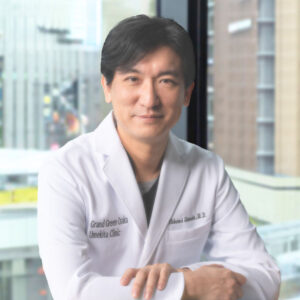
Director, Medical Corporation Shimada Clinic
Head of Clinical Practice, Grand Green Osaka Umekita Clinic
Hidenori Shimada
Graduated from the University of Tokushima Faculty of Medicine in 2005. After his initial residency, he obtained U.S. medical certification (ECFMG) and trained as a sub-intern in general surgery at the University of Washington. After completing the doctoral program at Kyoto University Graduate School of Medicine and working as a researcher at the Center for iPS Cell Research and Application (CiRA), Kyoto University, he founded Shimada Clinic in 2013. At Grand Green Osaka Umekita Clinic (https://umekitaclinic.org), he is engaged in a wide range of care, from internal medicine and pediatrics to cell therapy and aesthetic medicine.
* The physician supervision of this article covers its academic content only and does not constitute a recommendation of any specific treatment or product.