
Hello, I am Dr. Hidenori Shimada of Grand Green Osaka Umekita Clinic in Osaka, Japan.
What Is Immune Surveillance and Why Does It Matter in Cancer?
Many international patients first hear the term immune surveillance when they begin researching cell-based approaches to cancer. The idea is simple to state: the immune system continually patrols the body, looking for cells that have become abnormal, and removes many of them before they cause trouble. Researchers believe that abnormal cells with the potential to develop into cancer can arise in healthy people, and that in most cases the immune system handles them quietly.
Cancer is thought to become established when this process falls behind. Cancer cells can change in ways that make them harder to recognize, and the immune system itself may be less active because of age, stress, or the effects of the disease. Understanding this background helps you ask better questions at a consultation, because it explains what immune cell therapy is trying to address and, just as importantly, what it is not.
Where Do NK Cells Fit In?
Natural killer cells, usually called NK cells, are a type of lymphocyte that circulates in the blood. They belong to the innate immune system, which means they can respond to abnormal cells and virus-infected cells without waiting for detailed instructions from other immune cells. When an NK cell encounters a target it recognizes as abnormal, it can release molecules such as perforin that damage the target cell.
NK cell activity is known to vary between individuals and to decline with age, stress, and the burden of cancer itself. This is the rationale behind NK cell therapy: if a patient’s own NK cells can be increased in number and activated, the therapy aims to support immune function that may have weakened. It is a concept supported by laboratory and clinical research, but it is important to remember that research findings on a mechanism do not translate directly into a predictable result for any single person.
How Does NK Cell Therapy Work in Practice?
At Grand Green Osaka Umekita Clinic, NK cell therapy is an autologous treatment, meaning it uses your own cells. The process begins with an ordinary blood draw. The blood is sent to a licensed cell processing facility, where NK cells are activated and expanded outside the body over a period of culturing. The resulting cells are then returned to you by intravenous infusion.
There is no surgery involved and no hospital stay is required, so many people are able to continue daily life during treatment. Because the cells come from your own body, the risk of rejection is considered low, and serious side effects have rarely been reported. Temporary reactions such as fever or fatigue can occur, and your doctor will explain what to watch for and when to get in touch with the clinic.
The number of infusions, the interval between them, and the overall schedule are decided by the physician after consultation, based on your individual situation. Expansion in culture also differs from person to person, which is one reason a doctor cannot promise a fixed timeline in advance.
How Is NK Cell Therapy Positioned Alongside Standard Cancer Treatment?
A common concern is whether an immune cell therapy replaces surgery, chemotherapy, or radiation therapy. It does not, and it should not be understood as a substitute. NK cell therapy is generally considered as an additional option that can be used alongside standard treatment, and it is generally considered not to interfere with those treatments, although this should be confirmed with your doctors. Some people also consider it after standard treatment has finished, with the aim of supporting immune function and recurrence prevention.
If you are currently being treated elsewhere, tell your primary oncology team that you are exploring NK cell therapy. The clinic can coordinate with the medical institution that provides your standard treatment, and sharing your records, such as diagnosis, treatment history, and recent test results, makes that coordination smoother. Decisions about timing relative to chemotherapy or radiation should always be made together with the doctors involved.
Understanding the Legal and Cost Framework in Japan
In Japan, cell therapies of this kind are provided under the Act on the Safety of Regenerative Medicine. A clinic must submit a regenerative medicine provision plan, which is reviewed by a certified regenerative medicine committee and then submitted to the Ministry of Health, Labour and Welfare, and the cell processing is carried out at a licensed facility. This framework is intended to provide oversight, but it does not mean that the outcome of treatment is assured.
NK cell therapy is a self-pay treatment, which means it is not covered by Japan’s national health insurance. Fees, the number of treatments, the expected duration, risks, and side effects should all be confirmed directly with a physician during a consultation rather than assumed from general information online. Reviewing the clinic’s fee information page before your visit can help you prepare questions.
Preparing for a Consultation in Osaka
Grand Green Osaka Umekita Clinic is located in the Umeda area of Osaka, a major transport hub that is convenient for visitors from overseas as well as for residents of Japan. The clinic offers information pages in multiple languages, including English, so that international patients can review the basics of the therapy before contacting the clinic.
Before you book, it can be useful to write down your diagnosis and treatment history, list the medicines you currently take, and note any questions about timing, schedule, and follow-up. Ask what the therapy can realistically aim to do in your situation, what its limits are, and what information the doctor needs from your current oncologist. A consultation is the place where your own circumstances are assessed, and it is perfectly reasonable to take time to decide.
NK cell therapy is one option among many, and the right choice depends on your medical condition and personal priorities. If you would like to learn more, please visit the NK cell therapy page for fees, the treatment flow, and frequently asked questions, and contact the clinic to arrange a consultation with a physician.
- 1ConsultationDoctor reviews your situation
- 2Blood draw
- 3Activation and expansionAt a licensed facility
- 4IV infusionYour own cells returned
This diagram is a conceptual summary of the article content
References
- PubMed: Natural Killer Cells: Development, Maturation, and Clinical Utilization. (2018)
- PubMed: Regenerative lineages and immune-mediated pruning in lung cancer metastasis. (2020)
- PubMed: Exploiting innate immunity for cancer immunotherapy. (2023)
- PubMed: Glioblastoma stem cell metabolism and immunity. (2024)
- PubMed: Natural killer cells at the forefront of cancer immunotherapy with immune potency, genetic engineering, and nanotechnology. (2024)
- PMC: Platelet-Mediated Protection of Cancer Cells From Immune Surveillance – Possible Implications for Cancer Immunotherapy. (2021)
- PMC: Is the MAPK ERK5 the nexus from FAO to NK cell-mediated metastasis immune surveillance? (2025)
- PMC: Oncogenic stress sensed by the immune system: role of natural killer cell receptors. (2009)
- MHLW (Japan): Regenerative Medicine — Ministry of Health, Labour and Welfare, Japan
Supervising Physician
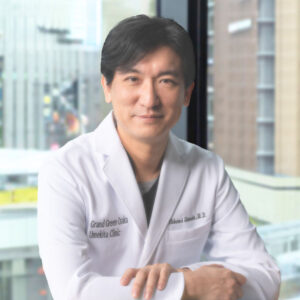
Director, Medical Corporation Shimada Clinic
Head of Clinical Practice, Grand Green Osaka Umekita Clinic
Hidenori Shimada
Graduated from the University of Tokushima Faculty of Medicine in 2005. After his initial residency, he obtained U.S. medical certification (ECFMG) and trained as a sub-intern in general surgery at the University of Washington. After completing the doctoral program at Kyoto University Graduate School of Medicine and working as a researcher at the Center for iPS Cell Research and Application (CiRA), Kyoto University, he founded Shimada Clinic in 2013. At Grand Green Osaka Umekita Clinic (https://umekitaclinic.org), he is engaged in a wide range of care, from internal medicine and pediatrics to cell therapy and aesthetic medicine.
* The physician supervision of this article covers its academic content only and does not constitute a recommendation of any specific treatment or product.