
Hello, I am Dr. Hidenori Shimada of Grand Green Osaka Umekita Clinic in Osaka, Japan.
Beyond Tissue Repair: The Unseen Power of Stem Cells
When people hear about stem cell therapy, the first thing that often comes to mind is “repair” or “regeneration”—the idea of replacing old or damaged cells with new ones. While this is a crucial aspect of their function, it’s only part of the story. Adipose-derived mesenchymal stem cells (MSCs), in particular, possess powerful abilities that go far beyond simple replacement. They act as sophisticated regulators within the body, capable of calming inflammation and balancing the immune system. This article explores these lesser-known but equally important functions and what they mean for the future of regenerative medicine.Why Chronic Inflammation is a Modern Health Challenge
Inflammation is a natural and vital process for healing injuries and fighting off infections. However, when this response doesn’t turn off, it can become chronic. Persistent, low-grade inflammation is now understood to be a contributing factor in many age-related health concerns and chronic conditions. It can silently affect joints, blood vessels, and various organs, often without obvious symptoms until significant changes have occurred. Many individuals seek ways to manage this underlying inflammatory state, looking for approaches that support the body’s own systems for maintaining balance and health.How Adipose Stem Cells Act as Natural Peacemakers
Mesenchymal stem cells, which are abundantly found in fat (adipose) tissue, are not just building blocks. They are intelligent cells that can sense their environment. When they detect signals of inflammation or tissue damage, they respond by secreting a wide range of bioactive molecules. This paracrine effect, or cell-to-cell communication via secreted factors, is now considered a primary mechanism of their therapeutic action. Two of their key roles are calming inflammation and modulating the immune system.Calming the Fires: The Anti-inflammatory Mechanism
Numerous scientific studies have reported that MSCs can exert potent anti-inflammatory effects. They achieve this by secreting molecules that counteract pro-inflammatory substances (like certain cytokines) and promote an anti-inflammatory environment. Instead of adding fuel to the fire, they help to control the blaze. This action may be particularly relevant for conditions where chronic inflammation plays a central role. By helping to resolve persistent inflammation, MSCs may support the creation of a more favorable environment for tissue health and function.Restoring Balance: The Immunomodulatory Role
A healthy immune system is all about balance. It must be strong enough to fight off pathogens but controlled enough not to attack the body’s own tissues. Sometimes, this balance is lost, leading to excessive or misdirected immune responses. Research has shown that MSCs have a remarkable ability to modulate the immune system. They can interact with various immune cells, such as T-cells and B-cells, helping to suppress overactive responses and restore a state of equilibrium. This immunomodulatory function is a key area of investigation in regenerative medicine, offering a potential strategy for rebalancing the body’s internal defense systems.Important Considerations Before Pursuing Treatment
Adipose-derived stem cell therapy is an evolving field, and it’s important to approach it with a clear understanding. This treatment is offered as a private, non-insured medical service (自由診療). The suitability of this therapy depends on an individual’s health condition, and a thorough assessment by a physician is required. In Japan, treatments like this are provided under the Act on the Safety of Regenerative Medicine, which establishes standards for cell processing and patient safety. Before proceeding, it is crucial to consider the following:- Physician’s Diagnosis: Eligibility for treatment is not guaranteed and must be determined by a doctor based on a comprehensive medical evaluation.
Treatment Goals: This therapy is not presented as a cure for any disease. The goal is to support the body’s natural functions and improve quality of life. It should not be considered a replacement for standard medical treatments for specific diseases.
Risks and Side Effects: As with any medical procedure, there are potential risks and side effects. These, along with the expected number of sessions and total cost, should be discussed in detail with your physician during the consultation.
Exploring Adipose Stem Cell Therapy in Osaka, Japan
At Grand Green Osaka Umekita Clinic, we provide Adipose-Derived Stem Cell Therapy using cells harvested from your own fat tissue. These cells are cultured at a specialized facility and then administered back into your body via an IV infusion, allowing them to circulate and reach areas of inflammation. This approach is provided under a treatment plan submitted to and accepted by Japan’s Ministry of Health, Labour and Welfare. If you are in the Osaka area or visiting Japan and wish to learn more about regenerative medicine options, we invite you to schedule a consultation. Our team can provide information to help you make an informed decision. For more details on the treatment process, potential benefits, risks, and costs, please visit our comprehensive information page. Learn more about Adipose-Derived Stem Cell Therapy at our clinic.Summary: A New Horizon in Health Management
The role of adipose-derived stem cells extends far beyond simply rebuilding tissues. Their ability to actively manage inflammation and modulate the immune system opens up a new perspective on their therapeutic potential. By helping to restore balance to the body’s internal environment, MSC therapy represents a sophisticated approach in regenerative medicine. As research continues to advance, a deeper understanding of these mechanisms will further clarify how we can harness the body’s own healing and regulatory capacities. A consultation with a qualified physician is the essential first step to understanding if this approach is appropriate for you.References
- PubMed: Anti-inflammatory and immunomodulatory effects of the extracellular vesicles derived from human umbilical cord mesenchymal stem cells on osteoarthritis via M2 macrophages. (2022)
- PubMed: Mesenchymal Stem/Stromal Cell-Derived Exosomes for Immunomodulatory Therapeutics and Skin Regeneration. (2020)
- PubMed: The Effect of Platelet-Rich Plasma on the Intra-Articular Microenvironment in Knee Osteoarthritis. (2021)
- PubMed: Anti-inflammatory role and immunomodulation of mesenchymal stem cells in systemic joint diseases: potential for treatment. (2013)
- PubMed: Mesenchymal stem cells. (2005)
- PMC: In silico and in vivo assessment of the immunostimulatory activity of palmitic acid derived from Vernonia amygdalina. (2025)
- PMC: Medicinal Herbs: Promising Immunomodulators for the Treatment of Infectious Diseases. (2023)
- PMC: Sophorolipid: a glycolipid biosurfactant as a potential therapeutic agent against COVID-19. (2021)
- MHLW (Japan): Regenerative Medicine — Ministry of Health, Labour and Welfare, Japan
Supervising Physician
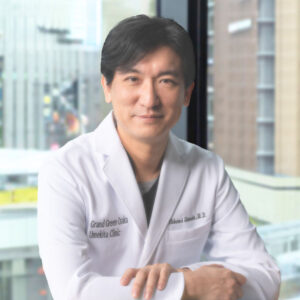
Director, Medical Corporation Shimada Clinic
Head of Clinical Practice, Grand Green Osaka Umekita Clinic
Hidenori Shimada
Graduated from the University of Tokushima Faculty of Medicine in 2005. After his initial residency, he obtained U.S. medical certification (ECFMG) and trained as a sub-intern in general surgery at the University of Washington. After completing the doctoral program at Kyoto University Graduate School of Medicine and working as a researcher at the Center for iPS Cell Research and Application (CiRA), Kyoto University, he founded Shimada Clinic in 2013. At Grand Green Osaka Umekita Clinic (https://umekitaclinic.org), he is engaged in a wide range of care, from internal medicine and pediatrics to cell therapy and aesthetic medicine.
* The physician supervision of this article covers its academic content only and does not constitute a recommendation of any specific treatment or product.