
Hello, I am Dr. Hidenori Shimada of Grand Green Osaka Umekita Clinic in Osaka, Japan.
When people think of stem cell therapy, the first idea that often comes to mind is replacement—the concept of using new cells to replace old or damaged ones. While this is part of the story, modern research in regenerative medicine has uncovered a more nuanced and arguably more significant mechanism: the trophic effect. This concept is central to understanding how treatments like adipose-derived stem cell therapy work to support the body’s natural healing capabilities. This article explores the science behind the trophic effect of stem cells and its implications for tissue repair.
Beyond Replacement: The Core Idea of the Trophic Effect
The classical view of stem cells focused on their ability to differentiate into various cell types, directly replacing damaged tissue. However, studies have increasingly shown that the therapeutic benefits of mesenchymal stem cells (MSCs), such as those derived from fat tissue, largely stem from their secretome—the collection of molecules they release. This is the essence of the trophic effect. Instead of just becoming new tissue, MSCs act as on-site coordinators for repair. They secrete a rich cocktail of bioactive molecules, including growth factors, cytokines, and extracellular vesicles, that communicate with the surrounding cells. This paracrine signaling helps to create a pro-regenerative environment, encouraging the body’s own cells to carry out the repair work more effectively. This shift in understanding the MSC mechanism from a “cell replacement” to a “cell support” model is a key development in the field.
How Does the Trophic Effect Support Tissue Repair?
The body’s ability to repair itself can diminish with age or become overwhelmed by chronic inflammation or significant injury. The trophic effect of MSCs addresses this by intervening in several key biological processes. The bioactive factors secreted by these cells can help to modulate inflammation, reduce cell death (apoptosis), stimulate the formation of new blood vessels (angiogenesis), and promote the proliferation of local progenitor cells. For individuals dealing with conditions related to chronic inflammation or degenerative changes, this supportive action can be a crucial factor. By fostering a healthier local environment, the trophic effect helps to tip the balance from a state of chronic damage towards one of active, organized repair. It’s not about introducing foreign workers to rebuild a structure, but rather about providing the existing local workforce with better tools, instructions, and resources.
What Are Mesenchymal Stem Cells (MSCs) Secreting?
The power of the trophic effect lies in the diverse array of molecules that MSCs release. These substances work in concert to orchestrate the complex process of tissue regeneration. While research is ongoing, key components of the MSC secretome have been identified:
- Growth Factors: Molecules like Vascular Endothelial Growth Factor (VEGF) and Fibroblast Growth Factor (FGF) are known to support the creation of new blood vessels, which is essential for delivering oxygen and nutrients to damaged areas.
- Anti-inflammatory Cytokines: MSCs can secrete cytokines that help to calm excessive or chronic inflammation, a common barrier to effective tissue healing. This helps to create a more favorable environment for repair.
- Immunomodulatory Factors: These cells can influence the behavior of immune cells, helping to balance the immune response and prevent it from causing further tissue damage.
- Anti-Apoptotic Molecules: By releasing certain factors, MSCs can help prevent nearby cells from undergoing programmed cell death, preserving viable tissue that might otherwise be lost.
This multi-faceted approach is what makes the trophic effect so compelling. Rather than targeting a single pathway, it provides a broad spectrum of support that addresses the complex nature of tissue injury and degeneration.
Adipose-Derived Stem Cells: A Practical Source for Therapy
Mesenchymal stem cells can be found in various tissues, but adipose (fat) tissue has emerged as a particularly valuable source. It is considered to contain a high concentration of MSCs, and the tissue can be collected with a minimally invasive procedure under local anesthesia. Once harvested, the MSCs are isolated and expanded in a specialized cell processing facility before being administered, typically via intravenous (IV) infusion. When administered intravenously, MSCs have been reported to exhibit a “homing” effect, where they travel through the bloodstream and accumulate at sites of inflammation or injury. There, they can exert their trophic effects, supporting repair processes throughout the body.
Navigating Adipose Stem Cell Therapy in Japan
For those considering this type of regenerative medicine in Japan, it’s important to understand the regulatory and clinical context. Adipose stem cell therapy is provided under the Act on the Safety of Regenerative Medicine. This means that treatments must be based on a plan submitted to and approved by the Ministry of Health, Labour and Welfare, ensuring specific standards for safety and cell processing are met.
This therapy is considered an elective treatment and is not covered by public health insurance. The suitability of the treatment, potential outcomes, risks, and side effects vary for each individual and can only be determined after a thorough medical evaluation. Therefore, a consultation with a physician is essential. During this consultation, the doctor will review your health status, discuss your concerns, and explain the treatment process, including the number of sessions, expected timeline, and associated costs.
At Grand Green Osaka Umekita Clinic, our physicians provide detailed consultations to help you understand if this approach is appropriate for your personal health goals. We encourage you to review comprehensive information about the procedure to make an informed decision. For more details on our adipose-derived stem cell therapy, including the process, fees, and potential risks, please see our dedicated treatment page.
Learn more about Adipose-Derived Stem Cell Therapy here.
Summary: A Supportive Approach to Healing
The therapeutic potential of adipose-derived stem cells extends far beyond simple cell replacement. The trophic effect represents a sophisticated biological process where these cells act as master regulators, secreting growth factors and other molecules to support the body’s innate capacity for tissue repair. This mechanism helps to modulate inflammation, promote cell survival, and create a pro-regenerative environment. Understanding this concept provides a clearer picture of how modern regenerative medicine aims to work with the body, not just on it. If you are exploring advanced healthcare options in Osaka, Japan, and wish to learn more, consulting with a medical institution experienced in regenerative medicine is a crucial first step.
References
- PubMed: Trophic Effects of Mesenchymal Stem Cells in Tissue Regeneration. (2017)
- PubMed: Mesenchymal stem cells as trophic mediators. (2006)
- PubMed: Secreted trophic factors of mesenchymal stem cells support neurovascular and musculoskeletal therapies. (2016)
- PubMed: Mesenchymal Stem Cells: "Guardians of Inflammation". (2017)
- PubMed: Bone marrow mesenchymal stem cells: Aging and tissue engineering applications to enhance bone healing. (2019)
- PMC: Freeze-dried rat bone marrow mesenchymal stem cell paracrine factors: a simplified novel material for skin wound therapy. (2015)
- PMC: Mesenchymal stem cell therapy for attenuation of scar formation during wound healing. (2012)
- PMC: Adipose tissue-derived extracellular fraction characterization: biological and clinical considerations in regenerative medicine. (2018)
- MHLW (Japan): Regenerative Medicine — Ministry of Health, Labour and Welfare, Japan
Supervising Physician
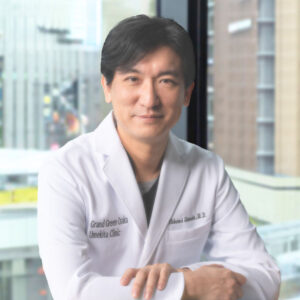
Director, Medical Corporation Shimada Clinic
Head of Clinical Practice, Grand Green Osaka Umekita Clinic
Hidenori Shimada
Graduated from the University of Tokushima Faculty of Medicine in 2005. After his initial residency, he obtained U.S. medical certification (ECFMG) and trained as a sub-intern in general surgery at the University of Washington. After completing the doctoral program at Kyoto University Graduate School of Medicine and working as a researcher at the Center for iPS Cell Research and Application (CiRA), Kyoto University, he founded Shimada Clinic in 2013. At Grand Green Osaka Umekita Clinic (https://umekitaclinic.org), he is engaged in a wide range of care, from internal medicine and pediatrics to cell therapy and aesthetic medicine.
* The physician supervision of this article covers its academic content only and does not constitute a recommendation of any specific treatment or product.