
Hello, I am Dr. Hidenori Shimada of Grand Green Osaka Umekita Clinic in Osaka, Japan.
Medical travel to Japan for advanced treatments like regenerative medicine is an option for patients worldwide. Adipose-derived stem cell therapy, in particular, draws interest for its potential in supporting the body’s natural repair processes. However, planning a medical trip to another country can feel complex. This article provides a clear, step-by-step timeline for international patients considering this therapy at Grand Green Osaka Umekita Clinic, from the first inquiry to post-treatment care.
Your Treatment Journey at a Glance
To help you plan, here is a general overview of the process. The entire journey typically involves two separate trips to Japan, with a cell culturing period in between. The total duration from your first visit to the second can be around one to two months.
- Step 1: Initial Online Consultation. Discuss your health concerns and treatment eligibility with our physician from your home country.
- Step 2: First Visit to Japan (Approx. 1-3 days). In-person consultation, medical checks, and collection of a small amount of fat tissue.
- Step 3: Cell Culturing Period (Approx. 4-6 weeks). Your collected stem cells are cultured and expanded at a specialized facility in Japan. You can return to your home country during this time.
- Step 4: Second Visit to Japan (Approx. 1-3 days). Administration of your cultured stem cells via an intravenous (IV) infusion.
- Step 5: Post-Treatment Follow-up. After returning home, you will have follow-up consultations online to monitor your progress.
Understanding Adipose-Derived Stem Cell Therapy
Before diving into the timeline, it’s helpful to understand the basics. This therapy involves collecting mesenchymal stem cells (MSCs) from your own fat tissue. These cells are known for their ability to differentiate into various cell types and secrete substances that may help calm inflammation and support tissue repair. After collection, the MSCs are multiplied in a specialized lab over several weeks. They are then returned to your body through an IV infusion. In Japan, this type of treatment is provided under the Act on the Safety of Regenerative Medicine, which requires healthcare providers to submit a treatment plan to the Ministry of Health, Labour and Welfare for review.
The Step-by-Step Timeline for International Patients
A well-planned journey is key to a smooth experience. Here is a detailed breakdown of each stage in the adipose stem cell therapy process for our international patients at our clinic in Osaka.
Step 1: Initial Online Consultation (From Your Home)
Your journey begins before you book a flight. We offer online consultations to discuss your medical history, current condition, and health goals. This initial meeting with a physician is crucial to determine if you might be a suitable candidate for the therapy. It’s an opportunity to ask questions and understand the potential outcomes, as well as the limitations and risks involved. This step ensures you have a clear picture before committing to travel.
Step 2: First Visit to Japan – Fat Collection (1-3 Day Stay)
Once you decide to proceed, you will schedule your first trip to our clinic in Osaka. During this visit, you will have a formal in-person consultation, undergo necessary pre-treatment examinations, and provide final consent. The main procedure during this visit is the collection of adipose (fat) tissue. This is a minor procedure performed under local anesthesia. A very small amount of fat, typically from the abdomen or thigh, is collected through a tiny incision. The process is done on an outpatient basis, meaning no hospital stay is required, and you can typically resume normal activities shortly after.
Step 3: Cell Culturing Period (4-6 Weeks, No Stay Required)
After your fat tissue is collected, it is sent to a dedicated Cell Processing Center in Japan. Here, the mesenchymal stem cells are isolated, cultured, and expanded in a highly controlled environment to reach the necessary number for treatment. This process typically takes four to six weeks. You do not need to remain in Japan during this period and can return to your home country to wait.
Step 4: Second Visit to Japan – Cell Administration (1-3 Day Stay)
When your cells are ready, you will plan your second trip to Osaka. The administration of the cultured stem cells is straightforward. The cells are delivered back into your body through a simple intravenous (IV) drip, similar to a standard vitamin infusion. The process usually takes about an hour, and you will be monitored at the clinic for a short period afterward. This is also an outpatient procedure, allowing you to leave the clinic the same day.
Key Considerations Before Planning Your Trip
Planning is essential, and it’s important to have a realistic understanding of the treatment. Please consider the following points before making a decision:
- A Physician’s Assessment is Essential: This therapy is not suitable for everyone. A physician must determine eligibility based on a comprehensive medical evaluation. This treatment does not guarantee a cure for any disease or condition and is not a replacement for standard medical care.
- This is a Private Medical Service: Adipose-derived stem cell therapy is considered an elective, non-insured treatment in Japan. Patients are responsible for all costs, which include consultations, examinations, cell processing, and administration.
- Understanding Risks and Side Effects: As with any medical procedure, there are potential risks and side effects. These will be explained in detail by your physician during the consultation. Common potential side effects may include issues at the collection or infusion site, fever, or fatigue.
Learn More at Grand Green Osaka Umekita Clinic
Embarking on a medical journey abroad requires trust and clear information. At Grand Green Osaka Umekita Clinic, our team is dedicated to supporting international patients throughout their treatment process. We believe the purpose of this information is not only to attract visitors but also to ensure patients have a correct perspective before consultation. For more detailed information about the flow of adipose-derived stem cell therapy, potential costs, treatment duration, risks, and side effects, please visit our official service page. A final decision on treatment should always be made after a thorough consultation with a qualified physician.
Learn more about Adipose-Derived Stem Cell TherapySummary: A Structured Approach to Your Health Journey
Planning a medical trip to Japan for adipose-derived stem cell therapy involves a clear, multi-step process. By understanding the timeline—from the initial online consultation to the two required visits for collection and administration, and the crucial cell culturing period in between—you can better prepare for your journey. This structured approach helps manage expectations and allows for a more comfortable and organized experience. Always remember that a comprehensive discussion with a physician is the most important first step in considering any regenerative medicine treatment.
References
- PubMed: Transnasal endoscopic microfractured fat injection in glottic insufficiency. (2015)
- PMC: Exploring the therapeutic potential of different sources of mesenchymal stem cells: a novel approach to combat burn wound infections. (2024)
- PMC: Concise Review: Mesenchymal Stem Cell-Based Drug Delivery: The Good, the Bad, the Ugly, and the Promise. (2018)
- PMC: Modulation of epileptogenesis through transplantation of human mesenchymal stem cells with or without GDNF release. (2025)
- PMC: Enhanced Drug Delivery System Using Mesenchymal Stem Cells and Membrane-Coated Nanoparticles. (2023)
- MHLW (Japan): Regenerative Medicine — Ministry of Health, Labour and Welfare, Japan
Supervising Physician
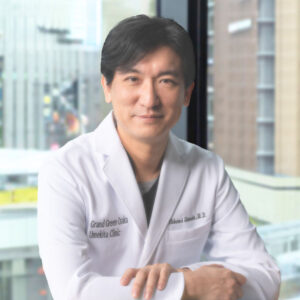
Director, Medical Corporation Shimada Clinic
Head of Clinical Practice, Grand Green Osaka Umekita Clinic
Hidenori Shimada
Graduated from the University of Tokushima Faculty of Medicine in 2005. After his initial residency, he obtained U.S. medical certification (ECFMG) and trained as a sub-intern in general surgery at the University of Washington. After completing the doctoral program at Kyoto University Graduate School of Medicine and working as a researcher at the Center for iPS Cell Research and Application (CiRA), Kyoto University, he founded Shimada Clinic in 2013. At Grand Green Osaka Umekita Clinic (https://umekitaclinic.org), he is engaged in a wide range of care, from internal medicine and pediatrics to cell therapy and aesthetic medicine.
* The physician supervision of this article covers its academic content only and does not constitute a recommendation of any specific treatment or product.