
Hello, I am Dr. Hidenori Shimada of Grand Green Osaka Umekita Clinic in Osaka, Japan.
When exploring advanced medical options like adipose-derived stem cell therapy, one of the most common questions is about the treatment course: Is a single session sufficient? This is a crucial consideration, especially for those traveling for medical care in Japan. The reality is that regenerative medicine is not a one-size-fits-all solution. The frequency of treatment is a key part of a personalized medical strategy developed in close consultation with a physician.
This article explores the factors that influence the frequency of adipose stem cell therapy. It aims to provide a realistic perspective, moving the focus from the simple question of “how many treatments?” to the more important concept of long-term health planning. Understanding this approach is essential for anyone considering this therapy for managing age-related concerns or chronic conditions.
The Short Answer: Treatment Frequency is Highly Personalized
To begin with the conclusion, there is no universal number of stem cell therapy sessions that applies to everyone. The appropriate frequency—whether it’s a single administration or a series of treatments over time—depends entirely on an individual’s health status, their specific goals, and how their body responds. Some individuals may find a single infusion meets their objectives for a period, while others may benefit from a structured plan involving multiple sessions as part of a long-term health management strategy. The final decision is always based on a thorough medical evaluation and ongoing discussion with a qualified doctor.
Understanding the Goals of Adipose Stem Cell Therapy
To understand treatment frequency, it’s important to first understand what adipose-derived stem cell therapy aims to achieve. This therapy involves collecting a small amount of your own fat tissue, isolating and culturing the mesenchymal stem cells (MSCs) within it, and then reintroducing them to your body, typically through an intravenous (IV) infusion.
Research suggests that these MSCs have several potential actions. Rather than simply replacing damaged cells, they are reported to secrete a wide range of growth factors and anti-inflammatory substances. This is often referred to as a paracrine effect. These secreted factors may help to:
- Modulate Inflammation: MSCs may help calm chronic or excessive inflammation, which is a contributing factor in many age-related conditions.
- Support Tissue Repair: They may release factors that encourage the body’s own repair processes in damaged tissues.
- Balance Immune Function: MSCs have been studied for their immunomodulatory properties, helping to regulate overactive immune responses.
The goal is often to support the body’s natural healing environment rather than to produce an immediate, isolated cure. This supportive role is a key reason why treatment plans may extend beyond a single session.
Factors That Influence Your Stem Cell Treatment Plan
A physician will consider several factors when recommending a treatment plan. This comprehensive approach ensures the therapy is tailored to your unique circumstances.
1. Your Health Condition and Goals
The primary factor is the reason you are seeking therapy. A person looking to support their general wellness and healthy aging may have a different treatment plan than someone managing a specific condition associated with chronic inflammation or tissue damage. Clear and realistic goals discussed with your doctor are the foundation of any effective plan.
2. Your Body’s Response
Medicine is not mathematics. Each person’s body is unique, and the response to an initial stem cell infusion can vary. Your physician will monitor your progress and clinical markers over time. This follow-up is critical in determining if and when another treatment might be beneficial.
3. The Nature of the Condition
Chronic conditions develop over many years and involve complex biological processes. A single intervention may not be enough to shift this long-standing environment. In such cases, a physician might suggest a protocol involving multiple infusions to provide sustained support for the body’s regulatory systems.
4. Age and Lifestyle
A person’s age, diet, exercise habits, and overall lifestyle can influence the body’s internal environment and its capacity for repair. A treatment plan for stem cell therapy is most effective when integrated into a comprehensive approach to health that includes positive lifestyle choices.
Regulation and Safety in Japan: A Framework for Your Care
For international patients and those seeking care in Japan, it’s important to know that regenerative medicine is strictly regulated. Adipose-derived stem cell therapy is provided under treatment plans submitted to and accepted by Japan’s Ministry of Health, Labour and Welfare, in accordance with the Act on the Safety of Regenerative Medicine. This legal framework ensures that procedures for cell collection, processing at licensed facilities, and administration adhere to high safety standards.
This therapy is a form of private medical care, meaning it is not covered by Japanese public health insurance. During your consultation, the physician will provide a detailed explanation of the entire process, including the expected number of treatments, the total cost, and any potential risks or side effects. This transparency is essential for you to make an informed decision about your health.
Preparing for Your Consultation at Our Osaka Clinic
The journey begins not with the treatment itself, but with a thorough consultation. At Grand Green Osaka Umekita Clinic, our physicians take the time to understand your health history, current condition, and what you hope to achieve. This dialogue is fundamental to determining if you are a suitable candidate and to co-creating a realistic treatment plan.
Ultimately, adipose-derived stem cell therapy is an investment in your long-term health. The question of frequency is best answered through a personalized medical assessment that views you as a whole person, not just a single condition. It is a collaborative process between you and your medical team, aimed at developing a sustainable strategy for your well-being.
To learn more about the specifics of our Adipose-Derived Stem Cell Therapy, including the flow from consultation to treatment and other important considerations, we invite you to review our detailed information page. A physician’s diagnosis is required to determine if this treatment is appropriate for you. Please feel free to reach out to us to schedule a consultation.
Learn more about Adipose-Derived Stem Cell Therapy at Grand Green Osaka Umekita Clinic.
References
- PubMed: Safety and Preliminary Efficacy of Mesenchymal Stromal Cell (ORBCEL-M) Therapy in Diabetic Kidney Disease: A Randomized Clinical Trial (NEPHSTROM). (2023)
- PubMed: Long term effect and safety of Wharton's jelly-derived mesenchymal stem cells on type 2 diabetes. (2016)
- PubMed: The Application of Mesenchymal Stem Cell Therapy in Treating Pulmonary Fibrosis: A Scoping Review. (2024)
- PubMed: Dose-specific efficacy of adipose-derived mesenchymal stem cells in septic mice. (2023)
- PubMed: Mesenchymal stem cell-derived exosome subpopulations remained consistent for 28 culture days, displaying therapeutic effects in a silicosis mouse model. (2025)
- PMC: A prospective randomized controlled study of multi-intravenous infusion of umbilical cord mesenchymal stem cells in patients with heart failure and reduced ejection fraction (PRIME-HFrEF) trial: Rationale and design. (2024)
- PMC: Rationale and design of the allogeneiC human mesenchymal stem cells (hMSC) in patients with aging fRAilTy via intravenoUS delivery (CRATUS) study: A phase I/II, randomized, blinded and placebo controlled trial to evaluate the safety and potential efficacy of allogeneic human mesenchymal stem cell infusion in patients with aging frailty. (2016)
- PMC: Repeat infusion of autologous bone marrow cells in multiple sclerosis: protocol for a phase I extension study (SIAMMS-II). (2015)
- MHLW (Japan): Regenerative Medicine — Ministry of Health, Labour and Welfare, Japan
Supervising Physician
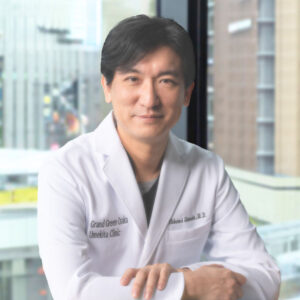
Director, Medical Corporation Shimada Clinic
Head of Clinical Practice, Grand Green Osaka Umekita Clinic
Hidenori Shimada
Graduated from the University of Tokushima Faculty of Medicine in 2005. After his initial residency, he obtained U.S. medical certification (ECFMG) and trained as a sub-intern in general surgery at the University of Washington. After completing the doctoral program at Kyoto University Graduate School of Medicine and working as a researcher at the Center for iPS Cell Research and Application (CiRA), Kyoto University, he founded Shimada Clinic in 2013. At Grand Green Osaka Umekita Clinic (https://umekitaclinic.org), he is engaged in a wide range of care, from internal medicine and pediatrics to cell therapy and aesthetic medicine.
* The physician supervision of this article covers its academic content only and does not constitute a recommendation of any specific treatment or product.