
Hello, I am Dr. Hidenori Shimada of Grand Green Osaka Umekita Clinic in Osaka, Japan.
Regenerative medicine, particularly treatments using stem cells, often generates significant interest and hope. Adipose-derived stem cell therapy, which uses your body’s own cells, is at the forefront of this research. However, it’s crucial to approach this treatment with a clear and realistic understanding of what it can and cannot achieve. This article aims to provide a balanced perspective, grounded in current scientific understanding, to help you set appropriate expectations.
The Goal: Supporting Your Body’s Natural Processes
The primary goal of adipose-derived stem cell therapy is not to provide a definitive cure for diseases. Instead, it is intended to support the body’s innate repair and regulation mechanisms. Mesenchymal stem cells (MSCs) harvested from fat tissue are known to have several potential actions, such as calming inflammation, supporting tissue repair by secreting growth factors, and helping to balance the immune system. The treatment aims to leverage these properties to improve your body’s environment, potentially alleviating symptoms and enhancing quality of life. It is best viewed as a supportive therapy that may complement your existing healthcare plan, not replace it.
Understanding Common Hopes and Scientific Realities
Many people explore stem cell therapy with hopes of reversing chronic conditions, combating the effects of aging, or finding solutions where conventional medicine has reached its limits. While research is ongoing for a wide range of conditions, it’s important to distinguish between promising preclinical data and established clinical outcomes. The journey from laboratory findings to proven, everyday medical treatment is long and complex. The effects of stem cell therapy can be subtle and gradual, and the response varies significantly from person to person. It is not a magic bullet, but rather a sophisticated biological therapy that requires careful consideration.
The Science Behind Adipose-Derived Stem Cells (MSCs)
Why use stem cells from fat tissue? Adipose tissue is an abundant source of mesenchymal stem cells (MSCs), which can be collected with a less invasive procedure compared to bone marrow. Once administered via IV infusion, these MSCs are reported to travel to sites of inflammation or injury in the body—a phenomenon known as the “homing effect.”
Their therapeutic potential is thought to come from several key actions:
- Anti-inflammatory Effects: MSCs can secrete molecules that help calm excessive or chronic inflammation, which is a root cause of many health issues.
- Trophic Support: They release various growth factors that can encourage surrounding cells to function better and support the repair of damaged tissue. This is not about replacing old tissue with new, but rather about improving the health of the existing tissue.
- Immunomodulation: MSCs may help regulate the immune system, toning down overactive responses without suppressing necessary immune functions.
These mechanisms are the basis for its application in regenerative medicine. However, the extent to which these actions translate into tangible clinical benefits is still an active area of research.
What Adipose Stem Cell Therapy Cannot Do
To maintain realistic expectations, it is equally important to understand the limitations of this therapy. Current scientific evidence and regulatory approvals do not support the use of adipose stem cell therapy as a:
- Guaranteed Cure: It is not a proven cure for diseases such as cancer, diabetes, heart failure, or neurodegenerative disorders. Claims of curing such conditions are not substantiated by robust clinical evidence.
- Replacement for Standard Medical Care: This therapy should not be considered an alternative to proven, standard treatments recommended by your primary physician. It is vital to continue with your established medical care.
- Instant Rejuvenation Treatment: While it may support healthy aging, it will not instantly reverse the aging process or provide dramatic cosmetic changes. The outcomes are biological and internal, not typically visible overnight.
- A Uniformly Effective Treatment: Individual factors like age, overall health, lifestyle, and the specific condition being addressed all influence the outcome. The results are not the same for everyone.
Key Considerations Before Your Consultation in Japan
If you are considering adipose stem cell therapy, a thorough consultation with a qualified physician is the essential first step. Here are some points to discuss and understand:
- Regulatory Framework: In Japan, regenerative medicine therapies like this are provided under the Act on the Safety of Regenerative Medicine. This means the treatment plan is submitted to and reviewed by the government, ensuring a high standard of safety management. Our clinic, Grand Green Osaka Umekita Clinic, provides treatment in compliance with this framework.
- Private Medical Care: This is a private, self-funded treatment and is not covered by Japanese public health insurance. A clear understanding of the costs involved is necessary.
- Individual Assessment: Your suitability for the therapy can only be determined after a comprehensive medical evaluation, including a review of your health history and possibly blood tests. The physician will discuss the potential benefits, risks, and side effects based on your specific situation.
- The Process: The procedure involves collecting a small amount of fat under local anesthesia, processing the cells at a specialized facility, and then administering them back to you through an IV drip. The entire process is conducted on an outpatient basis.
For a detailed overview of our Adipose-Derived Stem Cell Therapy, including the treatment flow, fees, and potential risks, we encourage you to review our informational page. Preparing yourself with this information can help you have a more productive discussion with our physicians in Osaka.
Learn more about Adipose-Derived Stem Cell Therapy at Grand Green Osaka Umekita Clinic.Conclusion: An Informed and Cautious Approach
Adipose-derived stem cell therapy represents an exciting and evolving field of medicine. It holds potential for supporting the body’s health by addressing underlying inflammation and promoting tissue repair. However, it is vital to approach it with well-informed, realistic expectations. It is not a panacea, but a specialized medical procedure that requires careful medical judgment. The most important step is a detailed consultation with a physician to explore whether this therapy is a suitable option for your personal health goals.
References
- PubMed: Mesenchymal Stromal Cells: Clinical Challenges and Therapeutic Opportunities. (2018)
- PubMed: Pharmacokinetic characteristics of mesenchymal stem cells in translational challenges. (2024)
- PubMed: The Molecular and Cellular Mechanisms of Endometriosis: From Basic Pathophysiology to Clinical Implications. (2025)
- PubMed: Efficacy and safety of umbilical cord-derived mesenchymal stem cells in Chinese adults with type 2 diabetes: a single-center, double-blinded, randomized, placebo-controlled phase II trial. (2022)
- PubMed: Safety and Efficacy of the Intravenous Infusion of Umbilical Cord Mesenchymal Stem Cells in Patients With Heart Failure: A Phase 1/2 Randomized Controlled Trial (RIMECARD Trial [Randomized Clinical Trial of Intravenous Infusion Umbilical Cord Mesenchymal Stem Cells on Cardiopathy]). (2017)
- PMC: New strategies for overcoming limitations of mesenchymal stem cell-based immune modulation. (2015)
- PMC: Psychedelics as Novel Therapeutics for Chronic Pain in Veterinary Medicine: A Hypothesis-Driven Protocol Using Low-Dose 1-Cyclopropionyl-D-lysergic Acid Diethylamide (1cp-LSD) in Canine Osteoarthritis. (2025)
- PMC: Patients' expectations and experiences of stem cell therapy for the treatment of knee osteoarthritis. (2020)
- MHLW (Japan): Regenerative Medicine — Ministry of Health, Labour and Welfare, Japan
Supervising Physician
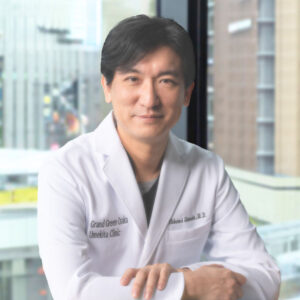
Director, Medical Corporation Shimada Clinic
Head of Clinical Practice, Grand Green Osaka Umekita Clinic
Hidenori Shimada
Graduated from the University of Tokushima Faculty of Medicine in 2005. After his initial residency, he obtained U.S. medical certification (ECFMG) and trained as a sub-intern in general surgery at the University of Washington. After completing the doctoral program at Kyoto University Graduate School of Medicine and working as a researcher at the Center for iPS Cell Research and Application (CiRA), Kyoto University, he founded Shimada Clinic in 2013. At Grand Green Osaka Umekita Clinic (https://umekitaclinic.org), he is engaged in a wide range of care, from internal medicine and pediatrics to cell therapy and aesthetic medicine.
* The physician supervision of this article covers its academic content only and does not constitute a recommendation of any specific treatment or product.