
Hello, I am Dr. Hidenori Shimada of Grand Green Osaka Umekita Clinic in Osaka, Japan.
Receiving adipose-derived stem cell therapy is a significant step towards investing in your long-term health. However, the treatment itself is just the beginning. The lifestyle choices you make in the days, weeks, and months following your IV infusion play a crucial role in supporting your body’s natural processes. This article explores key aspects of aftercare, including diet, exercise, and follow-up, from the perspective of a clinic in Japan providing regenerative medicine.
Why Your Lifestyle Matters After Stem Cell Infusion
Adipose-derived mesenchymal stem cells (MSCs) administered via IV are thought to travel through the bloodstream and accumulate at sites of inflammation or damage, a process sometimes called the “homing effect.” Once there, they are reported to exert their effects by secreting anti-inflammatory substances and growth factors that support tissue repair. To create an optimal environment for these cells to function, it is important to manage systemic inflammation and support overall health through conscious lifestyle choices. Proper aftercare is not about guaranteeing a specific outcome, but about providing your body with the best possible conditions to support its own restorative potential.
Dietary Guidelines to Support Your Body
Nutrition is a cornerstone of post-therapy care. While there is no single “stem cell diet,” focusing on a balanced, anti-inflammatory eating pattern may be beneficial. A physician can provide guidance tailored to your specific health condition.
- Focus on Anti-Inflammatory Foods: Incorporate foods rich in omega-3 fatty acids (like fatty fish), antioxidants (found in colorful fruits and vegetables), and fiber.
- Ensure Adequate Protein: Protein provides the building blocks for tissue repair. Lean meats, fish, beans, and legumes are good sources.
- Stay Hydrated: Water is essential for all cellular functions, including circulation, which helps transport stem cells and nutrients throughout the body.
- Limit Pro-Inflammatory Foods: It may be helpful to reduce intake of processed foods, excessive sugar, and unhealthy fats, as these can contribute to systemic inflammation.
These are general suggestions, and any significant dietary changes should be discussed with your doctor to ensure they are appropriate for your individual health needs.
Exercise and Physical Activity: A Balanced Approach
Physical activity is another vital component of recovery and long-term wellness. Exercise can improve circulation, reduce inflammation, and enhance overall health. However, the type and intensity of exercise must be carefully managed after therapy.
- Start Gently: Immediately after treatment, it is generally recommended to rest and avoid strenuous activity. Gentle movements like walking can be beneficial.
- Listen to Your Body: Avoid pushing yourself too hard, especially in the early stages. Pain is a signal to rest.
- Consult Your Physician: Your doctor will provide specific instructions based on your condition and the goals of the therapy. A gradual, guided return to exercise is often the most sensible approach.
The goal is to support the body, not to stress it. A personalized exercise plan developed with your healthcare provider is essential for a well-managed recovery.
The Importance of Follow-up Care
Long-term success is a collaborative effort between you and your medical team. Regular follow-up appointments are critical for monitoring your progress and making any necessary adjustments to your care plan. These appointments allow your physician to assess your response to the therapy and provide ongoing guidance on lifestyle modifications. Open communication with your doctor about any symptoms or concerns is a key part of the post-therapy process.
Understanding Your Treatment at Grand Green Osaka Umekita Clinic
It is important for patients to have a clear understanding of the treatment they are considering. Adipose-derived stem cell therapy at our clinic is provided as a private, non-insured medical service. All regenerative medicine treatments are conducted under a plan submitted to and accepted by Japan’s Ministry of Health, Labour and Welfare, in accordance with the Act on the Safety of Regenerative Medicine.
The suitability of this therapy, as well as the expected number of treatments, duration, potential risks, and side effects, can only be determined after a thorough consultation and examination by a physician. Outcomes can vary between individuals, and this treatment does not guarantee any specific effect or cure. For more detailed information about our Adipose-Derived Stem Cell Therapy, including the process and associated fees, please visit our comprehensive treatment page.
Learn more about Adipose-Derived Stem Cell Therapy at Grand Green Osaka Umekita Clinic
Conclusion: A Partnership for Your Long-Term Health
Stem cell therapy aftercare is an active process. By adopting a supportive lifestyle that includes a balanced diet, appropriate exercise, and consistent medical follow-up, you can create a positive environment within your body. This approach, undertaken in partnership with your medical team at our Osaka clinic, is about supporting your long-term health and wellness journey. A consultation with a physician is the necessary first step to determine if this treatment is a suitable option for you.
References
- PubMed: Intra-Articular Mesenchymal Stem Cell Injection for Knee Osteoarthritis: Mechanisms and Clinical Evidence. (2022)
- PubMed: Therapeutic effect of mesenchymal stem cells and their derived exosomes in diseases. (2025)
- PubMed: Precise Cell Type Electrical Stimulation Therapy Via Force-electric Hydrogel Microspheres for Cartilage Healing. (2025)
- PubMed: Intrathecal delivery of adipose-derived mesenchymal stem cells in traumatic spinal cord injury: Phase I trial. (2024)
- PubMed: Human Mesenchymal Stem Cell Derived Exosomes Alleviate Type 2 Diabetes Mellitus by Reversing Peripheral Insulin Resistance and Relieving β-Cell Destruction. (2018)
- PMC: Timing is everything: Exercise therapy and remote ischemic conditioning for acute ischemic stroke patients. (2021)
- PMC: The effect of stem cell therapy and comprehensive physical therapy in motor and non-motor symptoms in patients with multiple sclerosis: A comparative study. (2020)
- PMC: Intramuscular injection of mesenchymal stem cells augments basal muscle protein synthesis after bouts of resistance exercise in male mice. (2024)
- MHLW (Japan): Regenerative Medicine — Ministry of Health, Labour and Welfare, Japan
Supervising Physician
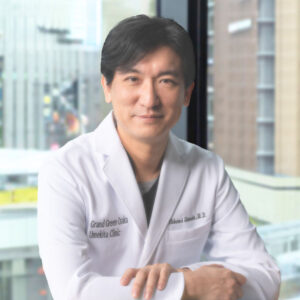
Director, Medical Corporation Shimada Clinic
Head of Clinical Practice, Grand Green Osaka Umekita Clinic
Hidenori Shimada
Graduated from the University of Tokushima Faculty of Medicine in 2005. After his initial residency, he obtained U.S. medical certification (ECFMG) and trained as a sub-intern in general surgery at the University of Washington. After completing the doctoral program at Kyoto University Graduate School of Medicine and working as a researcher at the Center for iPS Cell Research and Application (CiRA), Kyoto University, he founded Shimada Clinic in 2013. At Grand Green Osaka Umekita Clinic (https://umekitaclinic.org), he is engaged in a wide range of care, from internal medicine and pediatrics to cell therapy and aesthetic medicine.
* The physician supervision of this article covers its academic content only and does not constitute a recommendation of any specific treatment or product.