
Hello, I am Dr. Hidenori Shimada of Grand Green Osaka Umekita Clinic in Osaka, Japan.
Arteriosclerosis, or the hardening of the arteries, is a common condition associated with aging and certain lifestyle factors. It can impact blood flow and overall cardiovascular health. In recent years, regenerative medicine has emerged as a field exploring new approaches to support the body’s natural repair processes. One area of focus is adipose-derived stem cell therapy, which is being investigated for its potential role in managing conditions related to chronic inflammation and tissue damage, including those affecting vascular health.
Understanding Arteriosclerosis and Its Impact on Vascular Health
Arteriosclerosis is a broad term for conditions that cause artery walls to thicken and lose elasticity. A common type is atherosclerosis, where plaque—made of cholesterol, fats, and other substances—builds up inside the arteries. This buildup can narrow the arteries, restricting blood flow to vital organs. Chronic inflammation is considered a key driver in the development and progression of atherosclerosis. Over time, this can lead to concerns about cardiovascular health. Many people with early-stage arteriosclerosis have no symptoms, but as the condition progresses, it can affect quality of life. Managing vascular health through lifestyle, diet, and appropriate medical care is a primary goal for long-term well-being.
The Potential Role of Adipose-Derived Mesenchymal Stem Cells (MSCs)
Mesenchymal stem cells (MSCs) are a type of adult stem cell found in various tissues, including bone marrow and adipose (fat) tissue. Adipose tissue is considered an abundant source, and cells can be collected with a less invasive procedure compared to bone marrow aspiration. Research into MSCs has highlighted several properties that may be relevant to vascular health.
- Anti-Inflammatory Action: Chronic inflammation is a key factor in the development of arteriosclerosis. Studies suggest that MSCs can secrete molecules that help modulate the immune system and calm excessive inflammatory responses. This anti-inflammatory therapy potential is a central focus of research.
- Support for Angiogenesis: MSCs have been reported to release growth factors, such as Vascular Endothelial Growth Factor (VEGF), which can support the formation of new blood vessels (angiogenesis). This may help improve blood supply to tissues with poor circulation.
- Support for Tissue Repair: MSCs are thought to exert a “trophic effect,” meaning they secrete substances that support the survival and function of surrounding cells. This could potentially help in repairing the endothelium, the inner lining of blood vessels, which is often damaged in arteriosclerosis.
It is important to understand that these mechanisms are subjects of ongoing scientific investigation. The goal of this therapy is not to cure or reverse arteriosclerosis but to support the body’s own repair and regulatory functions, potentially improving the tissue environment.
Adipose Stem Cell Therapy in Japan: What to Consider
In Japan, regenerative medicine treatments like adipose stem cell therapy are provided under a specific regulatory framework, the Act on the Safety of Regenerative Medicine. This ensures that treatments are conducted according to plans submitted to and reviewed by the Ministry of Health, Labour and Welfare. At our clinic, the procedure involves collecting a small amount of the patient’s own fat tissue under local anesthesia. The MSCs are then isolated and expanded in number at a specialized cell processing facility before being administered back to the patient, typically through an intravenous (IV) infusion.
This treatment is considered a form of private practice (jiyu-shinryo) and is not covered by Japanese public health insurance. The use of a patient’s own (autologous) cells helps to minimize the risk of rejection or allergic reactions that can occur with donor cells.
Is This Therapy an Option for You? Key Questions to Ask
Adipose stem cell therapy is not a replacement for established, standard treatments for cardiovascular disease, such as lifestyle modifications, medication, or surgical procedures. It may be considered as a complementary option for some individuals. A thorough medical consultation with a physician is essential to determine if this treatment is appropriate for your specific health condition.
Before considering this therapy, it is crucial to discuss the following points with a doctor:
- What are the potential benefits and limitations based on my current health status?
- What does the entire treatment process involve, including the number of sessions and the timeline?
- What are the potential risks, side effects, and expected downtime?
- How does this therapy fit with my current medical treatments?
- What are the total costs associated with the treatment plan?
A physician’s assessment is required to evaluate your eligibility, and a final decision should only be made after you have a clear understanding of all aspects of the therapy.
Consulting With Our Team in Osaka
At Grand Green Osaka Umekita Clinic, we offer consultations for individuals interested in learning more about regenerative medicine options for health maintenance and aging-related concerns. Our clinic, located in the heart of Osaka, is accessible to both residents of Japan and international visitors exploring medical tourism options. We believe in providing clear, evidence-based information to help you make informed decisions about your health.
For detailed information on the treatment flow, fees, and potential risks and side effects that must be considered, please review our official page on Adipose-Derived Stem Cell Therapy before scheduling a consultation. This will help you prepare questions for your discussion with our medical team.
Summary: A Forward-Looking Approach to Vascular Health
Arteriosclerosis remains a significant health concern, and maintaining vascular health is key to healthy aging. Adipose-derived stem cell therapy represents an innovative area of regenerative medicine being explored for its potential to support the body’s cellular environment through mechanisms like anti-inflammatory action and tissue repair support. While research is ongoing and outcomes are not guaranteed, it offers a potential option for those looking to invest in their long-term health. The first and most important step is a comprehensive consultation with a qualified physician to determine if this approach aligns with your personal health goals and medical needs.
References
- PubMed: Aged bone matrix-derived extracellular vesicles as a messenger for calcification paradox. (2022)
- PubMed: Mesenchymal Stem Cell-Inspired Microneedle Platform for NIR-responsive Immunomodulation and Accelerated Chronic Wound Healing. (2026)
- PubMed: Topical and intravenous administration of human umbilical cord mesenchymal stem cells in patients with diabetic foot ulcer and peripheral arterial disease: a phase I pilot study with a 3-year follow-up. (2022)
- PubMed: Exosomes derived from umbilical cord mesenchymal stem cells promote healing of complex perianal fistulas in rats. (2024)
- PubMed: Inflammatory cytokine-primed MSC-derived extracellular vesicles ameliorate acute lung injury via enhanced immunomodulation and alveolar repair. (2025)
- PMC: Stem cell-mediated angiogenesis in skin tissue engineering and wound healing. (2022)
- PMC: Efficacy of topical and systemic transplantation of mesenchymal stem cells in a rat model of diabetic ischemic wounds. (2021)
- PMC: Tissue Engineering of the Microvasculature. (2019)
- MHLW (Japan): Regenerative Medicine — Ministry of Health, Labour and Welfare, Japan
Supervising Physician
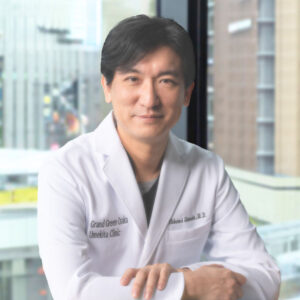
Director, Medical Corporation Shimada Clinic
Head of Clinical Practice, Grand Green Osaka Umekita Clinic
Hidenori Shimada
Graduated from the University of Tokushima Faculty of Medicine in 2005. After his initial residency, he obtained U.S. medical certification (ECFMG) and trained as a sub-intern in general surgery at the University of Washington. After completing the doctoral program at Kyoto University Graduate School of Medicine and working as a researcher at the Center for iPS Cell Research and Application (CiRA), Kyoto University, he founded Shimada Clinic in 2013. At Grand Green Osaka Umekita Clinic (https://umekitaclinic.org), he is engaged in a wide range of care, from internal medicine and pediatrics to cell therapy and aesthetic medicine.
* The physician supervision of this article covers its academic content only and does not constitute a recommendation of any specific treatment or product.