
Hello, I am Dr. Hidenori Shimada of Grand Green Osaka Umekita Clinic in Osaka, Japan.
Adipose-derived stem cell therapy is gaining attention in the field of regenerative medicine as a treatment option that utilizes the body’s own healing potential. While it holds promise for various conditions related to aging and inflammation, it is crucial to understand that this therapy is not suitable for everyone. Making an informed decision begins with a clear understanding of its limitations, potential risks, and contraindications—the specific conditions or factors that make a particular treatment inadvisable.
This article provides a transparent overview of who should not consider adipose stem cell therapy, helping you prepare for a meaningful discussion with a medical professional. The goal is to empower you with the right questions and perspectives before you proceed with a consultation.
Who Might Not Be an Ideal Candidate for Stem Cell Therapy?
The eligibility for adipose-derived stem cell therapy is determined on a case-by-case basis after a thorough medical evaluation by a physician. However, certain pre-existing conditions are generally considered contraindications. These are in place to prioritize patient safety and ensure the treatment is appropriate for an individual’s health status. Individuals with the following conditions may not be suitable candidates:
- Active Cancer or a History of Certain Cancers: The behavior of stem cells in the presence of active malignancies is not fully understood. To avoid any potential risk of influencing tumor growth, individuals with active cancer are typically not candidates. A history of cancer may also require careful evaluation.
- Acute or Systemic Infections: If you have a severe, active infection (e.g., sepsis, pneumonia), introducing cultured cells into your body could pose additional risks. The body’s immune system is already compromised, and it is best to resolve the infection before considering regenerative therapies.
- Certain Blood Disorders: Conditions that affect blood clotting or other hematological functions may interfere with the fat collection procedure or the IV infusion process. A physician will need to review your full medical history.
- Severe, Uncontrolled Chronic Illnesses: Unmanaged conditions such as severe heart, lung, or kidney disease may increase the risks associated with any medical procedure, including fat harvesting and cell infusion.
- Pregnancy and Breastfeeding: The effects of adipose-derived stem cell therapy on a developing fetus or a nursing infant have not been studied. For safety reasons, it is contraindicated for those who are pregnant or breastfeeding.
It is essential to remember that this list is not exhaustive. Only a qualified physician can determine your eligibility after a comprehensive medical review, including blood tests and a detailed consultation.
Understanding Potential Risks and Side Effects
Even for eligible candidates, it is important to be aware of the potential risks and side effects associated with adipose stem cell therapy. While using your own (autologous) cells significantly lowers the risk of rejection or allergic reactions, no medical procedure is entirely without risk. Potential side effects can be categorized by the two main stages of the treatment:
1. Risks Associated with Fat Tissue Collection:
A small amount of fat is collected from the abdomen or thigh area under local anesthesia. Risks related to this minor surgical procedure include:
- Pain, swelling, bruising, or discomfort at the collection site.
- Infection at the incision site (a rare complication when performed in a sterile clinical environment).
- Minor bleeding or hematoma (a collection of blood under the skin).
2. Risks Associated with IV Infusion:
After the stem cells are cultured and expanded, they are returned to the body via an intravenous (IV) drip. Potential side effects include:
- Headache, mild fever, or fatigue, which are typically temporary.
- Allergic reaction, though rare with autologous cells, is a possibility with any infused substance.
- Risks common to any IV procedure, such as inflammation at the injection site.
In Japan, regenerative medicine treatments like this are provided under the Act on the Safety of Regenerative Medicine. This legal framework requires clinics to submit their treatment plans to the government and adhere to strict safety and cell processing standards, which helps manage and minimize these risks.
Key Questions to Ask Your Doctor
A consultation is a two-way conversation. To ensure you are making a well-informed choice, consider asking your physician the following questions:
- Based on my specific health condition and medical history, am I a suitable candidate for this therapy?
- What are the potential benefits and limitations I can realistically expect?
- Could you walk me through the entire process, from fat collection to infusion?
- What are the specific risks and side effects I should be aware of in my case?
- How does this treatment fit with my current medications or therapies?
It is important to note that adipose-derived stem cell therapy is considered a private medical practice (not covered by public health insurance). A detailed discussion about the total cost, number of treatments, and expected duration is a vital part of the consultation process.
Consulting with a Specialist in Osaka
Navigating the complexities of regenerative medicine requires guidance from experienced medical professionals. At Grand Green Osaka Umekita Clinic, our physicians conduct thorough assessments to determine if adipose-derived stem cell therapy is an appropriate option for you. We believe in transparent communication about the entire process, including eligibility, potential outcomes, and associated risks.
Located in the heart of Osaka’s Umeda district, our clinic is equipped to provide comprehensive consultations. We encourage you to gather all your questions and concerns to discuss with our team. For more detailed information about our approach to Adipose-Derived Stem Cell Therapy, including the treatment flow and frequently asked questions, please visit our dedicated page.
→ Learn more about Adipose-Derived Stem Cell Therapy at Grand Green Osaka Umekita Clinic
Making an Informed Decision About Your Health
Adipose-derived stem cell therapy represents an innovative approach to health and wellness, but it is not a universal solution. Understanding the contraindications and potential risks is a fundamental step in your healthcare journey. This knowledge allows you to engage in a more productive dialogue with your doctor and make a decision that aligns with your personal health circumstances and goals.
Ultimately, the decision to proceed with any medical treatment rests on a comprehensive evaluation by a qualified physician. By being aware of the safety considerations, you can better partner with your doctor to explore the most suitable options for your long-term health.
References
- PubMed: Clinical Efficacy and Safety of the Intra-articular Injection of Autologous Adipose-Derived Mesenchymal Stem Cells for Knee Osteoarthritis: A Phase III, Randomized, Double-Blind, Placebo-Controlled Trial. (2023)
- PubMed: Adipose-derived mesenchymal stem cell therapy in the treatment of knee osteoarthritis: a randomized controlled trial. (2019)
- PubMed: Nanofat in Plastic Reconstructive, Regenerative, and Aesthetic Surgery: A Review of Advancements in Face-Focused Applications. (2023)
- PubMed: Transplantation of three mesenchymal stem cells for knee osteoarthritis, which cell and type are more beneficial? a systematic review and network meta-analysis. (2024)
- PubMed: Intrathecal delivery of adipose-derived mesenchymal stem cells in traumatic spinal cord injury: Phase I trial. (2024)
- PMC: Type 2 diabetes mellitus duration and obesity alter the efficacy of autologously transplanted bone marrow-derived mesenchymal stem/stromal cells. (2021)
- PMC: Intra-Articular Injection of Autologous Adipose Tissue-Derived Mesenchymal Stem Cells for the Treatment of Knee Osteoarthritis: A Phase IIb, Randomized, Placebo-Controlled Clinical Trial. (2019)
- PMC: Safety and tolerability of intradiscal implantation of combined autologous adipose-derived mesenchymal stem cells and hyaluronic acid in patients with chronic discogenic low back pain: 1-year follow-up of a phase I study. (2017)
- MHLW (Japan): Regenerative Medicine — Ministry of Health, Labour and Welfare, Japan
Supervising Physician
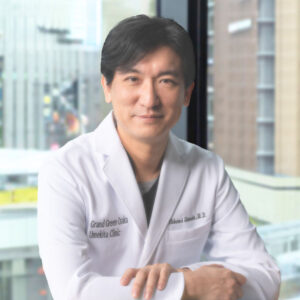
Director, Medical Corporation Shimada Clinic
Head of Clinical Practice, Grand Green Osaka Umekita Clinic
Hidenori Shimada
Graduated from the University of Tokushima Faculty of Medicine in 2005. After his initial residency, he obtained U.S. medical certification (ECFMG) and trained as a sub-intern in general surgery at the University of Washington. After completing the doctoral program at Kyoto University Graduate School of Medicine and working as a researcher at the Center for iPS Cell Research and Application (CiRA), Kyoto University, he founded Shimada Clinic in 2013. At Grand Green Osaka Umekita Clinic (https://umekitaclinic.org), he is engaged in a wide range of care, from internal medicine and pediatrics to cell therapy and aesthetic medicine.
* The physician supervision of this article covers its academic content only and does not constitute a recommendation of any specific treatment or product.