
Hello, I am Dr. Hidenori Shimada of Grand Green Osaka Umekita Clinic in Osaka, Japan.
As we get older, many of us notice subtle changes—it might take longer to recover from physical activity, joints may feel stiffer, or a general sense of reduced stamina becomes more common. While often accepted as inevitable parts of aging, scientific research points to an underlying biological process called ‘inflammaging.’ This term describes a state of chronic, low-grade inflammation that can contribute to a wide range of age-related health concerns. This article will explain the concept of inflammaging and explore how adipose-derived stem cell therapy, a form of regenerative medicine, is being investigated for its potential to address this condition and support healthier aging.
What is ‘Inflammaging’? The Silent Driver of Age-Related Change
Inflammaging refers to a persistent, low-level inflammatory state that develops and intensifies with age. It’s different from the acute inflammation you experience after an injury, which is a short-term, beneficial response that helps your body heal. In contrast, inflammaging is a systemic, long-term process that doesn’t always have an obvious cause. This continuous state of inflammation is believed to be a significant factor in the progression of many conditions associated with aging. Researchers are increasingly focusing on inflammaging as a key target for interventions aimed at promoting health and longevity, as managing this chronic inflammation may help support the body’s overall resilience.
How Chronic Inflammation Affects the Body
The effects of chronic, low-grade inflammation can be widespread and subtle. On a daily basis, it might manifest as persistent fatigue, slower muscle recovery, or general aches. Internally, this inflammatory environment can put stress on various tissues and organs, potentially accelerating cellular aging. This creates a feedback loop where the natural aging process can promote inflammation, and that inflammation, in turn, can hasten the aging process. Recognizing this connection is a crucial first step for anyone looking to take a proactive approach to their long-term health and well-being.
The Potential Role of Adipose-Derived Stem Cells (ADSCs)
Adipose-derived stem cells (ADSCs) are a specific type of mesenchymal stem cell (MSC) that are abundant in your own fat tissue. These cells have become a major focus of medical research due to their potential therapeutic properties. One of their most well-documented functions is their ability to modulate the immune system and exert anti-inflammatory effects. When administered, MSCs are reported to have several key actions that may help counteract the processes behind inflammaging:
- Secretion of Anti-Inflammatory Factors: MSCs can release various molecules that help to calm excessive inflammatory responses in tissues, shifting the local environment towards a more balanced state.
- Modulation of Immune Cells: They have the capacity to interact with and influence the behavior of key immune cells, which may help to regulate an overactive immune system.
- Support for Tissue Repair: Beyond just calming inflammation, MSCs secrete growth factors that encourage surrounding cells to repair and regenerate. This is often called the ‘trophic effect’ and is considered a central mechanism of their action.
- A ‘Homing’ Effect: Research suggests that when infused into the bloodstream, MSCs can travel to and accumulate at sites of inflammation and tissue damage, allowing them to act where they are most needed.
Through these mechanisms, adipose stem cell therapy is being explored as a systemic approach to address the chronic, body-wide inflammation associated with inflammaging, rather than just treating localized symptoms.
Adipose Stem Cell Therapy: A Regenerative Approach
The treatment involves a straightforward process: a small amount of your own fat tissue is collected under local anesthesia. From this tissue, the mesenchymal stem cells are isolated, cultured, and expanded in number at a specialized cell processing facility. Finally, these cultured cells are returned to your body, typically through an intravenous (IV) infusion. Because the therapy uses your own cells (a process known as autologous use), the risk of rejection or allergic reactions is considered to be low. This method represents a modern strategy aimed at supporting the body’s innate repair and regulatory systems, which can become less efficient due to aging and chronic inflammation.
Key Considerations Before Consulting a Doctor in Japan
When considering any advanced medical therapy, it is vital to be fully informed. In Japan, regenerative medicine treatments like adipose stem cell therapy are provided under the regulations of the ‘Act on the Safety of Regenerative Medicine.’ This law requires clinics to submit detailed treatment plans to the Ministry of Health, Labour and Welfare for review. Before proceeding, it is important to understand the following:
- A Physician’s Assessment is Required: This therapy is not suitable for everyone. A qualified physician must conduct a thorough examination and review your medical history to determine if this treatment is an appropriate option for your specific health situation. It does not guarantee any specific outcome or cure.
- This is a Private Medical Treatment: Adipose stem cell therapy is considered an elective, private treatment and is not covered by Japanese public health insurance.
- Understanding the Full Picture: A comprehensive consultation with a doctor is necessary to discuss the potential benefits, as well as the treatment plan, frequency, total costs, and any potential risks or side effects involved.
Exploring Your Options for Healthy Aging in Osaka
Addressing a complex process like inflammaging requires a personalized strategy based on a comprehensive medical evaluation. At Grand Green Osaka Umekita Clinic, located in the Umeda area of Osaka, we provide consultations for individuals interested in regenerative medicine, including adipose-derived stem cell therapy. Our multilingual support team is available to help international visitors navigate their care. To better understand the treatment process, its features, and what to expect during a consultation, we encourage you to review our detailed information page.
For more information, please see our Adipose-Derived Stem Cell Therapy page.
Summary: A Modern Perspective on Aging
Inflammaging is an important concept for understanding how our bodies change over time. While foundational lifestyle habits like a balanced diet and regular exercise are essential for managing inflammation, regenerative medicine offers innovative avenues to support the body’s resilience. Adipose-derived stem cell therapy is a field of ongoing research with the potential to modulate the chronic inflammation that drives inflammaging. Any decision to pursue such a treatment should always be made after a careful and thorough consultation with a qualified physician to assess your individual health status and goals.
References
- PubMed: Immunoengineering strategies using nanoparticles for obesity treatment. (2025)
- PubMed: Sex-specific metabolic effects of Treg expansion in db/db mice. (2025)
- PubMed: Piezo1-dependent activation of stromal cells ignites muscle inflammation in exercise and injury and is associated with inflammaging. (2026)
- PubMed: Sacubitril/Valsartan attenuates progression of diabetic cardiomyopathy through immunomodulation properties: an opportunity to prevent progressive disease. (2025)
- PubMed: Exercise orchestrates systemic metabolic and neuroimmune homeostasis via the brain-muscle-liver axis to slow down aging and neurodegeneration: a narrative review. (2025)
- PMC: Inflammaging and immunosenescence-driven remodeling of the immune microenvironment in osteoarthritis: mechanisms, immune regulation and immune reprogramming. (2026)
- PMC: Exercise orchestrates systemic metabolic and neuroimmune homeostasis via the brain-muscle-liver axis to slow down aging and neurodegeneration: a narrative review. (2025)
- PMC: Advancements in Targeting Macrophage Senescence for Age-Associated Conditions. (2024)
- MHLW (Japan): Regenerative Medicine — Ministry of Health, Labour and Welfare, Japan
Supervising Physician
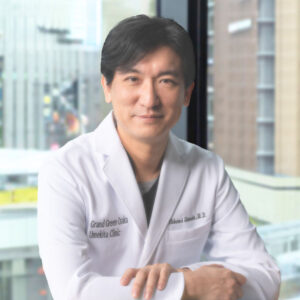
Director, Medical Corporation Shimada Clinic
Head of Clinical Practice, Grand Green Osaka Umekita Clinic
Hidenori Shimada
Graduated from the University of Tokushima Faculty of Medicine in 2005. After his initial residency, he obtained U.S. medical certification (ECFMG) and trained as a sub-intern in general surgery at the University of Washington. After completing the doctoral program at Kyoto University Graduate School of Medicine and working as a researcher at the Center for iPS Cell Research and Application (CiRA), Kyoto University, he founded Shimada Clinic in 2013. At Grand Green Osaka Umekita Clinic (https://umekitaclinic.org), he is engaged in a wide range of care, from internal medicine and pediatrics to cell therapy and aesthetic medicine.
* The physician supervision of this article covers its academic content only and does not constitute a recommendation of any specific treatment or product.