Hello, I am Dr. Hidenori Shimada of Grand Green Osaka Umekita Clinic in Osaka, Japan.
When facing a cancer diagnosis, patients and their families are often introduced to the primary methods of treatment: surgery, chemotherapy, and radiation therapy. These are widely recognized as the cornerstones of modern oncology. However, the field of cancer treatment is continually evolving, and in recent years, immunotherapy has emerged as a significant area of development, sometimes referred to as the ‘fourth pillar’ of cancer care. Among these advanced options is NKT cell-targeted therapy. This article explores the role of NKT cell therapy and its relationship with standard cancer treatments, helping you understand its positioning in a comprehensive treatment plan.
It is important to understand that NKT cell-targeted therapy is not intended to replace standard treatments. Instead, it is considered as an option that may be used in conjunction with them, or after they have been completed, based on a physician’s comprehensive assessment of the patient’s condition.
What Are the Standard Treatments for Cancer?
Before discussing newer therapies, it’s essential to recognize the role of established standard treatments. These methods have a long history of use and have been rigorously studied for their effectiveness. The choice of treatment depends on the type and stage of the cancer, as well as the patient’s overall health.
- Surgery: The physical removal of cancerous tumors. It is often the first line of treatment for solid tumors that have not spread to other parts of the body.
- Chemotherapy: The use of powerful drugs to kill fast-growing cells, including cancer cells. It can be administered systemically to treat cancer that has spread throughout the body.
- Radiation Therapy: The use of high-energy rays (like X-rays) to target and destroy cancer cells in a specific area of the body.
These three modalities form the foundation of cancer care and are often used in combination to achieve the best possible outcomes.
Understanding NKT Cell-Targeted Therapy
NKT cell-targeted therapy is a type of adoptive immunotherapy, a treatment that enhances the body’s own immune system to fight cancer. NKT cells are a unique type of lymphocyte that acts as a bridge between the innate and adaptive immune systems. They are sometimes described as the ‘commanders’ of the immune system because of their ability to activate a wide range of other anti-cancer immune cells.
The therapy typically involves collecting a patient’s own immune cells, activating and expanding the NKT cells in a specialized facility, and then reinfusing them back into the patient. The goal is to create a more robust and sustained immune response against cancer cells. This approach differs from chemotherapy or radiation, which directly target cancer cells, by instead mobilizing the patient’s internal defense mechanisms.
How NKT Cell Therapy Fits with Standard Treatments
A common question is when and how NKT cell therapy might be considered. It is crucial to view it not as a substitute for standard care, but as a potential component of a broader, individualized treatment strategy. Its positioning can be understood in several contexts:
1. In Combination with Standard Therapies
Research is ongoing into how immunotherapies like NKT cell therapy can be combined with conventional treatments. For example, some studies explore whether combining it with radiation or certain types of chemotherapy could create a synergistic effect. The rationale is that standard treatments can sometimes make cancer cells more visible to the immune system, potentially enhancing the effectiveness of subsequent immunotherapy. However, the specific protocols and outcomes of such combinations require careful medical evaluation.
2. After Standard Therapies
NKT cell therapy may be considered for patients who have already undergone standard treatments. This could be in situations where the initial treatments were not sufficiently effective, or to manage the risk of recurrence. After chemotherapy, for instance, the immune system can be weakened, and immunotherapy might be explored as a way to help restore or boost its cancer-fighting capabilities.
3. When Standard Therapies Are Not Feasible
In some cases, a patient’s overall health or the advanced stage of their disease might make it difficult to tolerate the physical demands of aggressive chemotherapy or extensive surgery. In such scenarios, a physician might discuss alternative or less intensive options, where NKT cell therapy could be considered as part of the conversation.
Important Considerations Before Choosing This Therapy
If you are considering NKT cell-targeted therapy, it is vital to approach the decision with a clear understanding of several key points. The final determination of whether this treatment is appropriate must be made after a thorough consultation with a qualified physician.
- Medical Indication: Not all types and stages of cancer are suitable for this therapy. A doctor will assess your specific diagnosis, treatment history, and overall health to determine if you are a potential candidate.
- Regulatory Status: In Japan, advanced treatments like NKT cell therapy are provided under specific regulations, such as the Act on the Safety of Regenerative Medicine. This ensures that treatments meet certain standards for safety and processing.
- Treatment as Private Medical Care: NKT cell-targeted therapy is generally considered an elective treatment and is not covered by public health insurance. Patients should be prepared to discuss the costs, number of treatments, and total duration with the clinic.
- Risks and Side Effects: As with any medical procedure, there are potential risks and side effects. These can vary from person to person and must be explained in detail by your doctor before you provide consent for treatment.
Learn More About Your Options in Osaka
Navigating cancer treatment options can be complex. The goal is to empower patients with accurate information so they can have informed discussions with their healthcare providers. At Grand Green Osaka Umekita Clinic, we believe in providing clear and comprehensive information about all available treatment avenues, including NKT cell-targeted therapy.
Our team is available to discuss how this therapy might fit into your overall care plan. We provide detailed explanations of the process, potential outcomes, and associated costs and risks based on an individual medical assessment. For more detailed information about NKT Cell-Targeted Therapy provided at our clinic, including the treatment flow and frequently asked questions, please visit our dedicated page, which is available in multiple languages.
Learn more about NKT Cell-Targeted Therapy at Grand Green Osaka Umekita Clinic
Summary: An Informed Decision is Key
NKT cell-targeted therapy represents an important development in cancer immunotherapy, offering a potential new option for patients. However, it is not a standalone cure and its role must be understood in the context of established, standard cancer treatments. It is a complementary approach, considered alongside or after conventional therapies, and its suitability is a deeply personal medical decision.
The most critical step is a direct consultation with a medical professional who can review your case and provide personalized guidance. By understanding the positioning of NKT cell therapy, patients can better participate in creating a treatment plan that is right for them.
References
- PubMed: A prospective study of neoadjuvant pembrolizumab plus chemotherapy for resectable esophageal squamous cell carcinoma: The Keystone-001 trial. (2024)
- PubMed: Targeting Sphingolipids for Cancer Therapy. (2021)
- PubMed: Allogeneic stem cell-engineered EGFRvIII-specific CAR-NKT cells for treating glioblastoma with enhanced efficacy and safety. (2025)
- PubMed: Immunomodulatory effect of dasatinib plus blinatumomab versus ponatinib plus blinatumomab in newly diagnosed Ph+ acute lymphoblastic leukemia. (2026)
- PubMed: NK/T Cell Lymphoma: Updates in Therapy. (2018)
- PMC: Optimizing CAR-T cell therapy for solid tumors: current challenges and potential strategies. (2024)
- PMC: Late Breaking Abstracts: Presented at the American Society of Gene & Cell Therapy's 16(th)Annual Meeting, May 15–18, 2013, Salt Lake City, Utah. (2013)
- PMC: Revolutionizing Immunotherapy: Unveiling New Horizons, Confronting Challenges, and Navigating Therapeutic Frontiers in CAR-T Cell-Based Gene Therapies. (2024)
- MHLW (Japan): Regenerative Medicine — Ministry of Health, Labour and Welfare, Japan
Supervising Physician
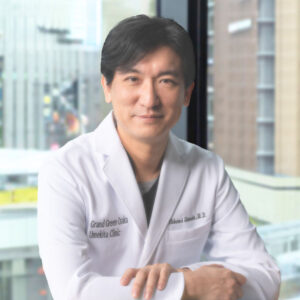
Director, Medical Corporation Shimada Clinic
Head of Clinical Practice, Grand Green Osaka Umekita Clinic
Hidenori Shimada
Graduated from the University of Tokushima Faculty of Medicine in 2005. After his initial residency, he obtained U.S. medical certification (ECFMG) and trained as a sub-intern in general surgery at the University of Washington. After completing the doctoral program at Kyoto University Graduate School of Medicine and working as a researcher at the Center for iPS Cell Research and Application (CiRA), Kyoto University, he founded Shimada Clinic in 2013. At Grand Green Osaka Umekita Clinic (https://umekitaclinic.org), he is engaged in a wide range of care, from internal medicine and pediatrics to cell therapy and aesthetic medicine.
* The physician supervision of this article covers its academic content only and does not constitute a recommendation of any specific treatment or product.