Hello, I am Dr. Hidenori Shimada of Grand Green Osaka Umekita Clinic in Osaka, Japan.
When considering an advanced cancer treatment like NKT cell-targeted therapy, understanding its safety profile is a primary concern for patients and their families. This form of cancer immunotherapy activates the body’s own immune system to fight cancer, a mechanism distinct from conventional treatments like chemotherapy. This article provides an evidence-based overview of the potential side effects associated with NKT cell therapy, based on data from clinical research.
In short, clinical studies indicate that the side effects of NKT cell therapy are mainly related to the activation of the immune system. Common reactions, such as fever and fatigue, are generally reported to be transient and manageable. However, every patient’s response is unique, and a comprehensive consultation with a physician is essential to weigh the potential benefits and risks for your specific condition.
How NKT Cell Therapy’s Mechanism Relates to Side Effects
NKT cell-targeted therapy does not directly introduce cytotoxic agents to kill cancer cells. Instead, it stimulates Natural Killer T (NKT) cells, which act as commanders of the immune system. These activated NKT cells then orchestrate a broad and sustained attack against tumors by mobilizing various other immune cells. Consequently, the observed side effects are typically a manifestation of this systemic immune response, often presenting as flu-like symptoms.
It is important to note that this therapy is not presented as a replacement for standard treatments such as surgery, chemotherapy, or radiation. Its suitability as a therapeutic option is determined by a physician based on a patient’s diagnosis, overall health, and treatment history.
What Clinical Studies Report About Safety
The safety of NKT cell therapy has been evaluated in clinical studies. A key example is a Phase I clinical trial in Japan for patients with unresectable or recurrent head and neck cancer. In this study, which used α-galactosylceramide (α-GalCer) pulsed cells to activate NKT cells, the adverse events were carefully documented and reported to be primarily mild to moderate.
- Fever: A temporary increase in body temperature is one of the most common reactions, typically occurring soon after administration as the immune system becomes active.
- Fatigue and Malaise: Patients may experience tiredness or general discomfort, similar to the feeling of fighting off an infection.
- Headache and Chills: These flu-like symptoms are also linked to the systemic immune response initiated by the therapy.
In the aforementioned study, these symptoms were generally transient, resolving within a day or two, and could be managed with standard supportive care. Importantly, no severe, treatment-related adverse events were noted in that specific trial. While this data is encouraging, it is crucial to remember that results from one study do not guarantee the same outcome for every individual. A qualified physician must assess each patient’s suitability for the treatment.
Regulatory Context and Patient Considerations in Japan
In Japan, advanced cellular therapies such as NKT cell-targeted therapy are provided under regulations like the Act on the Safety of Regenerative Medicine. This framework ensures that treatments meet strict standards for safety and quality control. This therapy is considered an advanced medical treatment provided as private medical care (自由診療, jiyu-shinryo), meaning it is not covered by Japan’s national health insurance.
Patients, including those visiting from overseas, are responsible for the full cost of the treatment. A detailed consultation with the medical team is necessary to fully understand the treatment plan, expected duration, number of sessions, potential risks, and all associated costs before making a decision.
Key Questions to Discuss with Your Physician
Making an informed decision is paramount. Before proceeding with any new treatment, a thorough discussion with your doctor is vital. Here are some important questions to consider asking about NKT cell therapy:
- Based on my specific diagnosis and health status, am I a suitable candidate for this therapy?
- What are the potential benefits and risks in my particular case?
- What are the most common side effects, and how are they typically managed?
- How will my progress and any side effects be monitored during and after the treatment course?
- What is the complete treatment schedule, and what is the estimated total cost?
- How does this therapy fit into my overall cancer care plan?
Learn More About NKT Cell Therapy in Osaka
At Grand Green Osaka Umekita Clinic, located in the Umeda area of Osaka, Japan, we are committed to providing patients with clear, accurate information about advanced medical options. Our team offers multilingual support to help patients from around the world understand complex treatments like NKT cell-targeted therapy. A final decision on treatment suitability can only be made following a comprehensive medical consultation.
To deepen your understanding of the procedure, eligibility, potential risks, and treatment process, we encourage you to review our detailed information page. This can help you prepare for a productive conversation with a physician.
Learn more about NKT Cell-Targeted Therapy at Grand Green Osaka Umekita ClinicConclusion: A Balanced View on Safety
NKT cell-targeted therapy represents a unique immunotherapeutic approach in cancer care. Based on clinical research, its safety profile is characterized by manageable and temporary side effects stemming from immune activation. As no medical treatment is entirely without risk, and outcomes can vary between individuals, the most critical step is an open and detailed discussion with a qualified physician to determine if this therapy is an appropriate option for your personal health journey.
References
- PubMed: CAR-T and CAR-NK as cellular cancer immunotherapy for solid tumors. (2024)
- PubMed: CAR-cell therapy in the era of solid tumor treatment: current challenges and emerging therapeutic advances. (2023)
- PubMed: CAR-NK cells: A promising cellular immunotherapy for cancer. (2020)
- PubMed: IPSC-derived CAR-NK cells for cancer immunotherapy. (2023)
- PubMed: The gut microbiota in cancer immunity and immunotherapy. (2025)
- PMC: Advances and challenges of CAR T therapy and suitability of animal models (Review). (2022)
- PMC: Phase I study of alpha-galactosylceramide-pulsed antigen presenting cells administration to the nasal submucosa in unresectable or recurrent head and neck cancer. (2008)
- PMC: The Current Landscape of NKT Cell Immunotherapy and the Hills Ahead. (2021)
- MHLW (Japan): Regenerative Medicine — Ministry of Health, Labour and Welfare, Japan
Supervising Physician
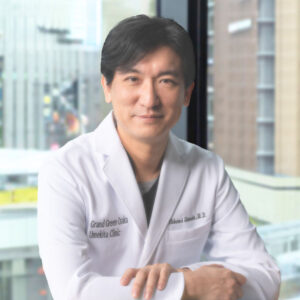
Director, Medical Corporation Shimada Clinic
Head of Clinical Practice, Grand Green Osaka Umekita Clinic
Hidenori Shimada
Graduated from the University of Tokushima Faculty of Medicine in 2005. After his initial residency, he obtained U.S. medical certification (ECFMG) and trained as a sub-intern in general surgery at the University of Washington. After completing the doctoral program at Kyoto University Graduate School of Medicine and working as a researcher at the Center for iPS Cell Research and Application (CiRA), Kyoto University, he founded Shimada Clinic in 2013. At Grand Green Osaka Umekita Clinic (https://umekitaclinic.org), he is engaged in a wide range of care, from internal medicine and pediatrics to cell therapy and aesthetic medicine.
* The physician supervision of this article covers its academic content only and does not constitute a recommendation of any specific treatment or product.