Hello, I am Dr. Hidenori Shimada of Grand Green Osaka Umekita Clinic in Osaka, Japan.
Cancer immunotherapy represents a significant shift in oncology, harnessing the body’s own immune system to fight malignant cells. Among these innovative approaches, NKT cell-targeted therapy has emerged as a topic of interest in clinical research. Patients and their families often ask, “What types of cancer can this therapy address?” This article aims to provide clarity by exploring the clinical evidence for NKT cell therapy, with a particular focus on its application in advanced lung cancer and head and neck cancers.
What is NKT Cell-Targeted Therapy?
NKT cell-targeted therapy is a specialized form of cancer immunotherapy. It focuses on activating a unique group of immune cells called Natural Killer T (NKT) cells. Discovered in 1986, NKT cells are considered the “commanders” of the immune system because they can orchestrate a broad and sustained attack against cancer cells. By stimulating these commanders, the therapy aims to mobilize the full spectrum of the body’s anti-cancer defenses, including both the innate and adaptive immune systems. This approach is sometimes referred to as a “third-generation” immunotherapy, designed to overcome some of the limitations observed in earlier methods by creating a more comprehensive and lasting immune response.
Clinical Evidence for Advanced Lung Cancer
Lung cancer remains one of the most challenging cancers to treat, especially in its advanced stages. For patients who have exhausted standard treatment options like surgery, chemotherapy, and radiation, the prognosis can be limited. It is in this context that NKT cell therapy has been studied. A notable clinical trial conducted at Chiba University Hospital in Japan investigated the use of this therapy in 17 patients with advanced lung cancer for whom conventional treatments were no longer effective. The results of this study suggested a potential for extending survival. While outcomes can vary significantly between individuals, the study reported that the mean survival in the group receiving NKT therapy was longer than what is typically observed with best supportive care alone. These findings have generated cautious optimism and further research into the role of NKT cells in combating lung cancer. It is important to understand that this does not imply a cure, but rather a potential to manage the disease and improve quality of life for certain patients.
Promising Results in Head and Neck Cancers
The application of NKT cell therapy has also been explored in head and neck cancers, which can include cancers of the esophagus, pharynx, larynx, and oral cavity. In a clinical study also conducted at Chiba University Hospital, the therapy was administered to 11 patients with these types of cancers. The results were noteworthy, as the treatment was judged to be effective in all treated cases, with outcomes categorized as either tumor shrinkage (partial response) or disease stabilization (stable disease). This suggests that NKT cell activation may have a meaningful biological effect against these malignancies. Based on these and the lung cancer results, NKT cell-targeted therapy received approval as an “Advanced Medical Care B” treatment in Japan for specific advanced cancers, allowing it to be offered under strict governmental oversight. This designation highlights its innovative nature while ensuring patient safety remains a priority.
Understanding Eligibility and Key Considerations
While the research is promising, it is crucial for patients to understand that NKT cell therapy is not suitable for everyone. Determining eligibility is a complex medical decision that requires a thorough evaluation by a qualified physician. The doctor will assess the patient’s overall health, cancer type and stage, previous treatment history, and other individual factors.
- Medical Consultation is Essential: A personalized assessment is necessary to determine if this therapy is an appropriate option for your specific condition.
- Not a Replacement for Standard Care: NKT cell therapy is not intended to replace standard cancer treatments like surgery, chemotherapy, or radiation. It may be considered as an additional option, or for patients who are no longer candidates for conventional therapies.
- Regulatory Framework in Japan: In Japan, this treatment is provided under the Act on the Safety of Regenerative Medicine. This ensures that it is administered according to strict safety and ethical standards.
- Private Medical Treatment: NKT cell-targeted therapy is classified as a private (non-insured) medical service. This means it is not covered by Japan’s national health insurance. Patients are responsible for the full cost of the treatment.
Learn More at Grand Green Osaka Umekita Clinic
Navigating advanced cancer treatment options can be overwhelming. At Grand Green Osaka Umekita Clinic, we are committed to providing patients with clear, evidence-based information to help them make informed decisions. If you are interested in learning more about advanced cancer immunotherapy and whether NKT cell-targeted therapy might be relevant to your situation, we encourage you to consult with our medical team. Our clinic in Osaka provides a supportive environment for patients from Japan and around the world, with multilingual information available.
A comprehensive consultation with a physician is the first and most important step. During this consultation, you can discuss your medical history and explore potential treatment pathways. For detailed information regarding the NKT cell-targeted therapy process, potential risks and side effects, treatment duration, and associated costs, please review our dedicated treatment page:
NKT Cell-Targeted Therapy at Grand Green Osaka Umekita Clinic
Summary
NKT cell-targeted therapy is an innovative immunotherapy that has shown potential in clinical studies for certain advanced cancers, particularly lung cancer and head and neck cancers. While research continues to evolve, the existing evidence suggests it may offer a new option for patients with limited alternatives. However, patient eligibility must be carefully determined by a physician. This treatment is a private medical service provided under Japan’s regenerative medicine regulations and should be considered in consultation with a medical expert who can evaluate your individual circumstances. We recommend seeking a professional medical opinion to understand all available options.
References
- PMC: Murine induced pluripotent stem cells can be derived from and differentiate into natural killer T cells. (2010)
- PMC: NKT cells as an ideal anti-tumor immunotherapeutic. (2013)
- MHLW (Japan): Regenerative Medicine — Ministry of Health, Labour and Welfare, Japan
Supervising Physician
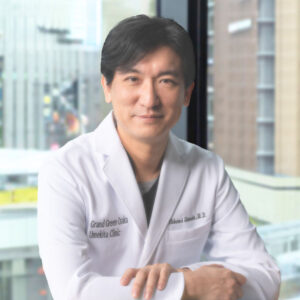
Director, Medical Corporation Shimada Clinic
Head of Clinical Practice, Grand Green Osaka Umekita Clinic
Hidenori Shimada
Graduated from the University of Tokushima Faculty of Medicine in 2005. After his initial residency, he obtained U.S. medical certification (ECFMG) and trained as a sub-intern in general surgery at the University of Washington. After completing the doctoral program at Kyoto University Graduate School of Medicine and working as a researcher at the Center for iPS Cell Research and Application (CiRA), Kyoto University, he founded Shimada Clinic in 2013. At Grand Green Osaka Umekita Clinic (https://umekitaclinic.org), he is engaged in a wide range of care, from internal medicine and pediatrics to cell therapy and aesthetic medicine.
* The physician supervision of this article covers its academic content only and does not constitute a recommendation of any specific treatment or product.