
Hello, I am Dr. Hidenori Shimada of Grand Green Osaka Umekita Clinic in Osaka, Japan.
The field of cancer treatment is constantly evolving, with immunotherapies offering new avenues of hope for patients and their families. Among these, NKT cell-targeted therapy has emerged as a significant advancement, often referred to as a “fourth option” alongside surgery, chemotherapy, and radiation. However, like any advanced medical treatment, it is not a one-size-fits-all solution. This article explores the crucial question: Is NKT cell therapy suitable for all cancer patients? We will delve into the criteria, limitations, and important considerations to help you have an informed discussion with a medical professional.
Understanding NKT Cell-Targeted Therapy: A Brief Overview
NKT cell-targeted therapy is a type of immunotherapy that harnesses the body’s own immune system to fight cancer. NKT cells are unique and powerful lymphocytes that act as “commanders” of the immune system. When activated, they can orchestrate a broad and sustained attack against cancer cells by mobilizing various other immune cells, including both the innate and adaptive immune systems. This approach is considered a third-generation immunotherapy, aiming to overcome some of the limitations seen in earlier methods. The goal is to create a powerful anti-tumor environment within the body, offering a potential new strategy, particularly for patients with advanced or recurrent cancer.
Key Criteria for Considering NKT Cell Therapy
Determining who is a candidate for NKT cell therapy involves a comprehensive medical evaluation. While the therapy has shown potential across various cancer types in research settings, a patient’s eligibility depends on several individual factors. A physician must carefully assess each case. General considerations often include:
- Cancer Type and Stage: Clinical research has provided valuable data on the effects of NKT cell therapy in specific cancers, such as advanced lung cancer and head and neck cancers. The suitability for other types of solid tumors or hematological malignancies would need to be determined by a specialist based on the available evidence and the patient’s specific diagnosis.
- Patient’s Overall Health: A patient’s general health status, including organ function and performance status, plays a role in their ability to undergo any cancer treatment. The immune system’s condition is also a relevant factor, as the therapy relies on activating the patient’s own immune cells.
- Previous Treatment History: NKT cell therapy is often considered for patients who have already undergone standard treatments like chemotherapy, radiation, or surgery, and whose cancer has not responded sufficiently or has recurred. It is not typically a first-line treatment but can be an important option when others have been exhausted.
It is essential to understand that these are general guidelines. The final decision on NKT cell therapy suitability can only be made after a thorough medical consultation and examination by a qualified doctor.
Important Limitations and Considerations
While promising, it is crucial to have realistic expectations about NKT cell therapy. It is not a guaranteed cure for cancer. The primary goals may include extending survival, improving quality of life, or controlling tumor growth. Individual responses to the therapy can vary widely, and not every patient will experience the same outcome.
Furthermore, this treatment is provided as a private medical service, meaning it is not covered by Japan’s public health insurance. In Japan, cell therapies like this are regulated under the “Act on the Safety of Regenerative Medicine,” which ensures that treatments are provided according to strict safety and ethical standards. Patients should also be aware of potential risks and side effects, which may include fever, fatigue, or other immune-related reactions. A detailed discussion with your physician about the potential benefits versus the risks is a critical step.
How NKT Cell Therapy Complements Standard Treatments
A common misconception about advanced immunotherapies is that they replace standard cancer treatments. This is not the case. NKT cell therapy is not intended to be a substitute for surgery, chemotherapy, or radiation therapy, which remain the cornerstones of cancer care. Instead, it should be viewed as a complementary or subsequent option. It can be integrated into a broader treatment plan, often for patients with advanced cancer where standard options may have become limited. The aim is to add another tool to the oncologist’s arsenal, potentially working in synergy with other treatments or providing a new path forward when others are no longer viable.
Next Steps: What to Discuss with Your Doctor
If you are exploring advanced cancer options and believe NKT cell therapy might be relevant for your situation, the most important step is to seek expert medical advice. Prepare for your consultation by gathering all your relevant medical records, including diagnosis, staging, and past treatment history. This will help the physician make an accurate assessment of your case.
At Grand Green Osaka Umekita Clinic, located in Osaka, our specialists can provide a detailed consultation to evaluate your individual suitability for NKT cell-targeted therapy. We encourage you to ask questions about the treatment process, expected outcomes, potential risks, and associated costs. For more information on the therapy, including the treatment flow and frequently asked questions, please visit our comprehensive page.
Learn more about NKT Cell-Targeted Therapy at our clinic.
Summary
NKT cell-targeted therapy represents a significant step forward in cancer immunotherapy, offering a potential option for patients with advanced or difficult-to-treat cancers. However, its suitability is not universal and depends on a careful evaluation of the patient’s specific medical condition, cancer type, and overall health. It is an advanced treatment that complements, rather than replaces, standard therapies. The key to making an informed decision is a transparent and thorough discussion with a medical expert who can assess your eligibility and help you understand the potential benefits and limitations.
References
- PubMed: CAR-T and CAR-NK as cellular cancer immunotherapy for solid tumors. (2024)
- PubMed: The emerging field of oncolytic virus-based cancer immunotherapy. (2023)
- PubMed: Current and future immunotherapeutic approaches in pancreatic cancer treatment. (2024)
- PubMed: Targeted in vivo delivery of genetic medicines utilizing an engineered lentiviral vector platform results in CAR T and NK cell generation. (2025)
- PubMed: Functions of natural killer cells. (2008)
- PMC: A phase 1/2 clinical trial of invariant natural killer T cell therapy in moderate-severe acute respiratory distress syndrome. (2024)
- PMC: invariant Natural Killer T cell therapy as a novel therapeutic approach in hematological malignancies. (2024)
- PMC: Invariant Natural Killer T Cell Therapy Attenuates Systemic Inflammation and Improves Transarterial Chemoembolization Outcomes in Hepatocellular Carcinoma. (2026)
- MHLW (Japan): Regenerative Medicine — Ministry of Health, Labour and Welfare, Japan
Supervising Physician
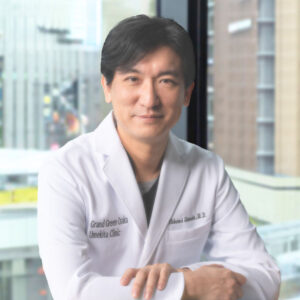
Director, Medical Corporation Shimada Clinic
Head of Clinical Practice, Grand Green Osaka Umekita Clinic
Hidenori Shimada
Graduated from the University of Tokushima Faculty of Medicine in 2005. After his initial residency, he obtained U.S. medical certification (ECFMG) and trained as a sub-intern in general surgery at the University of Washington. After completing the doctoral program at Kyoto University Graduate School of Medicine and working as a researcher at the Center for iPS Cell Research and Application (CiRA), Kyoto University, he founded Shimada Clinic in 2013. At Grand Green Osaka Umekita Clinic (https://umekitaclinic.org), he is engaged in a wide range of care, from internal medicine and pediatrics to cell therapy and aesthetic medicine.
* The physician supervision of this article covers its academic content only and does not constitute a recommendation of any specific treatment or product.