Hello, I am Dr. Hidenori Shimada of Grand Green Osaka Umekita Clinic in Osaka, Japan.
Cancer immunotherapy has emerged as a significant pillar in modern oncology, offering new avenues for treatment. Among these advanced therapies, NKT cell-targeted therapy stands out, not only for its unique mechanism but also for its origins rooted in decades of dedicated research in Japan. This article explores the history of how NKT cell therapy was developed, from its fundamental discovery to its application in clinical settings, highlighting the scientific journey led by Japanese institutions.
The Scientific Journey of NKT Cell Therapy: A Japanese Innovation
NKT cell-targeted therapy is a form of cancer immunotherapy that leverages a specific type of lymphocyte to orchestrate a broad attack against cancer cells. Its development is a direct result of foundational discoveries made by Japanese scientists. The journey began with the identification of NKT cells themselves and progressed through meticulous research to understand their function and potential therapeutic applications. This work, primarily conducted at leading research institutions like RIKEN and Chiba University, has paved the way for a new generation of immunotherapy that aims to activate the patient’s entire immune system against tumors.
What Are NKT Cells and How Do They Function?
To understand the therapy, it’s essential to first understand the cells it targets. Natural Killer T (NKT) cells are a unique and rare subset of T lymphocytes that share characteristics of both T cells and Natural Killer (NK) cells. They were first discovered in 1986 by a research group in Japan led by Dr. Masaru Taniguchi.
What makes NKT cells particularly powerful is their role as ‘commanders’ of the immune system. When activated, they can rapidly produce large amounts of cytokines, which are signaling proteins that mobilize a wide range of other immune cells. This includes:
- NK Cells: Part of the innate immune system, they can kill cancer cells that have stopped expressing certain markers (MHC/HLA molecules) to evade other immune cells.
- Killer T Cells (Cytotoxic T Lymphocytes): Part of the adaptive immune system, they recognize and destroy cancer cells presenting specific tumor antigens.
- Dendritic Cells: These are antigen-presenting cells that are crucial for initiating and shaping the adaptive immune response.
This coordinated, multi-pronged attack is a key feature of NKT cell-based approaches. The activation of NKT cells is typically triggered when they recognize specific glycolipid antigens, such as α-galactosylceramide (α-GalCer), presented by a molecule called CD1d on the surface of other cells. This discovery was a critical breakthrough that enabled the development of a method to artificially and specifically activate these powerful immune commanders for therapeutic purposes.
Key Milestones: From Laboratory Discovery to Clinical Research
The path from the initial discovery of NKT cells to a potential therapy involved several crucial steps. After the initial identification, researchers at RIKEN focused on elucidating the cells’ function and the mechanism of their activation. This foundational work established the scientific basis for using NKT cells in an anti-tumor strategy.
Subsequently, this research transitioned into the clinical phase, with Chiba University Hospital playing a pivotal role. The world’s first clinical trials of NKT cell-targeted therapy were conducted there. These studies investigated the safety and potential efficacy of the therapy in patients with advanced cancers, such as non-small cell lung cancer and head and neck cancers, for whom standard treatments were no longer sufficiently effective. The results of these trials, published in scientific journals, demonstrated a promising potential for this approach and provided valuable data that continues to inform its use. This rigorous process of scientific validation, from basic research to human clinical trials, underscores the therapy’s credibility.
NKT Cell Therapy in the Context of Cancer Treatment Options
It is important to understand where NKT cell therapy fits within the broader landscape of cancer care. Standard cancer treatments—often called the three major therapies—are surgery, chemotherapy, and radiation therapy. These remain the primary and most established methods for treating many types of cancer. Cancer immunotherapy is often considered a ‘fourth option,’ which can be used alongside or after standard treatments.
NKT cell therapy is considered a third-generation immunotherapy because it aims to activate the entire immune system in a coordinated manner, overcoming some of the limitations observed in earlier immunotherapies. However, it is not a replacement for standard care. The decision to consider this therapy is based on a comprehensive medical evaluation, including the type and stage of cancer, previous treatments, and the patient’s overall health. A physician’s assessment is essential to determine if this approach is a suitable option for an individual’s specific circumstances.
Important Considerations Before Seeking Treatment
For patients considering NKT cell-targeted therapy, it is vital to have accurate information. This treatment is a form of advanced medicine provided as a private medical service, meaning it is not covered by Japan’s national health insurance. In Japan, cell-based therapies like this are regulated under specific frameworks, such as the Act on the Safety of Regenerative Medicine, to ensure patient safety and proper oversight.
Any medical treatment carries potential risks and side effects, and outcomes can vary between individuals. A thorough consultation with a qualified physician is a mandatory first step. During this consultation, the doctor will explain the treatment process, potential benefits, expected number and frequency of treatments, and any associated risks or side effects. This discussion is crucial for making an informed decision that aligns with your health goals and understanding.
Learn More About NKT Cell-Targeted Therapy in Osaka
The development of NKT cell therapy from a fundamental scientific discovery in Japan to a clinical application is a testament to persistent research and innovation. It represents a significant advancement in the field of cancer immunotherapy, offering a different approach to harnessing the body’s own immune system.
At Grand Green Osaka Umekita Clinic, we provide consultations for patients interested in learning more about NKT cell-targeted therapy. For a comprehensive overview of the treatment, including the process and answers to frequently asked questions, we encourage you to visit our detailed information page. Our team is available to help you understand this advanced therapeutic option, which is available with multilingual support.
For more details, please see our page on NKT Cell-Targeted Therapy.
Ultimately, the decision to pursue any cancer treatment should be made after careful consideration and a detailed discussion with a medical professional. Understanding the scientific background and development history of a therapy can provide a valuable perspective for patients and their families as they navigate their healthcare journey.
References
- PubMed: Discovery of NKT cells and development of NKT cell-targeted anti-tumor immunotherapy. (2015)
- PubMed: Natural Killer T Cell-Targeted Immunotherapy Mediating Long-term Memory Responses and Strong Antitumor Activity. (2017)
- PMC: Discovery of NKT cells and development of NKT cell-targeted anti-tumor immunotherapy. (2015)
- PMC: Natural Killer T Cell-Targeted Immunotherapy Mediating Long-term Memory Responses and Strong Antitumor Activity. (2017)
- PMC: Murine induced pluripotent stem cells can be derived from and differentiate into natural killer T cells. (2010)
- PMC: NKT cells as an ideal anti-tumor immunotherapeutic. (2013)
- MHLW (Japan): Regenerative Medicine — Ministry of Health, Labour and Welfare, Japan
Supervising Physician
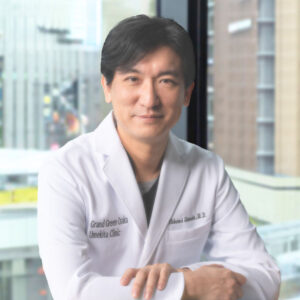
Director, Medical Corporation Shimada Clinic
Head of Clinical Practice, Grand Green Osaka Umekita Clinic
Hidenori Shimada
Graduated from the University of Tokushima Faculty of Medicine in 2005. After his initial residency, he obtained U.S. medical certification (ECFMG) and trained as a sub-intern in general surgery at the University of Washington. After completing the doctoral program at Kyoto University Graduate School of Medicine and working as a researcher at the Center for iPS Cell Research and Application (CiRA), Kyoto University, he founded Shimada Clinic in 2013. At Grand Green Osaka Umekita Clinic (https://umekitaclinic.org), he is engaged in a wide range of care, from internal medicine and pediatrics to cell therapy and aesthetic medicine.
* The physician supervision of this article covers its academic content only and does not constitute a recommendation of any specific treatment or product.