Hello, I am Dr. Hidenori Shimada of Grand Green Osaka Umekita Clinic in Osaka, Japan.
Navigating cancer treatment options in a foreign country can be a complex and challenging journey. Japan is known for its high standard of medical care, which includes both a robust public health insurance system and a framework for advanced private medical treatments. For international patients seeking innovative options, understanding this distinction is crucial. One such advanced option is NKT cell-targeted therapy, a form of immunotherapy offered outside the scope of public insurance.
Understanding Japan’s Dual System: Insured vs. Private Care
Japan’s healthcare system primarily operates on a comprehensive public health insurance program that covers standard, well-established treatments. However, for cutting-edge therapies that are still considered advanced or investigational, a separate category exists known as “jiyu shinryo,” or private, non-insured medical care. These treatments are offered at the full expense of the patient. This framework allows clinics to provide innovative therapies that have shown promise in clinical research but are not yet part of the standard insured formulary. NKT cell-targeted therapy falls into this category, provided under strict national regulations like the Act on the Safety of Regenerative Medicine, which ensures quality and safety standards are met.
What is NKT Cell-Targeted Therapy?
NKT cell-targeted therapy is a type of cancer immunotherapy that leverages a specific component of the body’s own immune system. Often described as a third-generation immunotherapy, its approach is to activate NKT cells, which are considered the “commanders” of the immune system. The goal is to trigger a broad and sustained attack against cancer cells by mobilizing various types of immune cells. It is important to understand that immunotherapy, including NKT cell therapy, is not a replacement for the three major pillars of cancer treatment: surgery, chemotherapy, and radiation. Instead, it may be considered as an option alongside or after standard treatments, depending on the individual patient’s condition and medical history. The suitability of this therapy must be determined through a detailed medical evaluation.
Key Considerations for International Patients
For international patients considering NKT cell therapy in Japan, several key points should be carefully considered. Making an informed decision requires a clear understanding of the process, costs, and medical context.
- Physician Consultation is Mandatory: The first and most critical step is a comprehensive consultation with a physician. A doctor will review your complete medical records, current health status, and treatment history to assess whether NKT cell therapy could be a viable option for your specific case. No treatment is suitable for everyone, and a professional medical opinion is essential.
- Understanding Costs (Non-Insured): As a private medical treatment, NKT cell therapy is not covered by Japanese public health insurance or most international insurance plans. Patients are responsible for the full cost of the treatment. The total cost, number of sessions, and treatment schedule are unique to each patient and will be explained in detail during the consultation.
- Potential Risks and Side Effects: Every medical intervention carries potential risks and side effects. While clinical studies on NKT cell therapy have provided data on its safety profile, individual responses can vary. A thorough discussion with your doctor about potential adverse effects is a crucial part of the consent process.
- Realistic Expectations: It is vital to approach advanced therapies with realistic expectations. Expressions like “cure” cannot be guaranteed. The goal of treatments like immunotherapy is often to manage the disease, potentially extend survival, or improve quality of life. The potential outcomes for your specific condition should be discussed with your medical team.
Exploring NKT Cell Therapy at Grand Green Osaka Umekita Clinic
Located in the heart of Osaka, Grand Green Osaka Umekita Clinic provides NKT cell-targeted therapy for both domestic and international patients. Our process is designed to be clear and supportive. It typically begins with an initial inquiry, followed by a review of your medical information by our specialists. Based on this preliminary review, a formal consultation can be scheduled, either in-person or remotely, to discuss your case in detail. This consultation is the opportunity to ask questions and gain a deep understanding of the treatment plan, including the procedures, schedule, costs, and potential risks. We are committed to ensuring patients have the information they need before making any decisions.
For a more detailed explanation of the science behind NKT cell-targeted therapy, the treatment flow, and information regarding fees and potential side effects, we encourage you to review our dedicated information page. Learn more about NKT Cell-Targeted Therapy here.
Conclusion: Making an Informed Choice
NKT cell-targeted therapy represents an advanced option within Japan’s private medical care landscape. For international patients exploring cancer treatments, it is one of several possibilities that exist alongside standard, proven therapies. The journey begins not with a decision to undergo treatment, but with a thorough and honest conversation with a qualified physician. By understanding the regulatory framework, the nature of the therapy, and the importance of a personalized medical assessment, patients can make an informed choice that aligns with their health goals and circumstances.
References
- PMC: Oncologists' Views and Communication Practices Regarding Unproven High-Cost Cancer Interventions in Private Medical Practice: A Questionnaire Survey. (2025)
- MHLW (Japan): Regenerative Medicine — Ministry of Health, Labour and Welfare, Japan
Supervising Physician
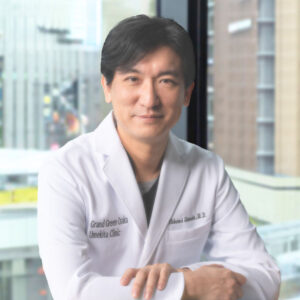
Director, Medical Corporation Shimada Clinic
Head of Clinical Practice, Grand Green Osaka Umekita Clinic
Hidenori Shimada
Graduated from the University of Tokushima Faculty of Medicine in 2005. After his initial residency, he obtained U.S. medical certification (ECFMG) and trained as a sub-intern in general surgery at the University of Washington. After completing the doctoral program at Kyoto University Graduate School of Medicine and working as a researcher at the Center for iPS Cell Research and Application (CiRA), Kyoto University, he founded Shimada Clinic in 2013. At Grand Green Osaka Umekita Clinic (https://umekitaclinic.org), he is engaged in a wide range of care, from internal medicine and pediatrics to cell therapy and aesthetic medicine.
* The physician supervision of this article covers its academic content only and does not constitute a recommendation of any specific treatment or product.