Hello, I am Dr. Hidenori Shimada of Grand Green Osaka Umekita Clinic in Osaka, Japan.
For patients exploring advanced cancer treatment options, the integration of novel immunotherapies with standard care is a topic of significant interest. NKT cell-targeted therapy, recognized as a “fourth option” in cancer treatment, raises an important question: can it be combined with conventional treatments like chemotherapy and radiation? This article explores the potential for integrative approaches for cancer patients in Japan, providing a balanced perspective on how these treatments might work together.
Key Takeaways: An Integrative Approach to Cancer Care
NKT cell-targeted therapy may potentially be combined with standard treatments such as chemotherapy and radiation therapy. The rationale behind this approach is to create a synergistic effect, where standard therapies weaken the cancer cells, and immunotherapy stimulates a more robust and sustained anti-tumor immune response. However, it is crucial to understand that this is not a one-size-fits-all solution. The suitability, timing, and safety of any combination therapy must be carefully evaluated by a physician based on the individual patient’s cancer type, stage, and overall health condition. A thorough medical consultation is essential before making any treatment decisions.
Understanding Patient Concerns and Questions
When facing a cancer diagnosis, patients and their families often navigate a complex landscape of information and emotions. Many wonder about the limitations of standard treatments or are concerned about their side effects. Key questions frequently arise:
- Are there other options available if standard treatments are not sufficiently effective?
- Can immunotherapy help reduce the chance of recurrence?
- How can different treatments be combined safely and effectively?
- What are the potential benefits and risks of an integrative treatment plan?
These are valid and important concerns. The goal of exploring combination therapies is to address these questions by seeking ways to enhance treatment efficacy while managing the patient’s quality of life. This article aims to provide foundational knowledge to help you prepare for a discussion with a healthcare professional.
The Role of NKT Cell-Targeted Therapy in Cancer Treatment
NKT cell-targeted therapy is a form of cancer immunotherapy that focuses on activating a specific type of immune cell called the Natural Killer T (NKT) cell. Discovered in Japan, NKT cells are considered the “commanders” of the immune system. When activated, they can orchestrate a broad and sustained attack against cancer cells by mobilizing various other immune cells.
Unlike some earlier immunotherapies, this approach aims to activate the entire immune system—both innate and adaptive immunity—to fight cancer. It is positioned as a “fourth option” alongside the three major standard therapies: surgery, chemotherapy, and radiation. Its potential lies in offering a different mechanism of action that could complement the effects of these conventional treatments.
Potential for Combination with Standard Therapies
The concept of combining immunotherapy with standard treatments is a major focus of modern oncology research. The goal is to attack cancer from multiple angles. Here’s a look at the theoretical basis for combining NKT cell therapy with chemotherapy and radiation.
Combining with Chemotherapy
Chemotherapy works by killing rapidly dividing cells, including cancer cells. While effective, it can also suppress the immune system. However, certain types of chemotherapy can also induce a phenomenon known as “immunogenic cell death.” This means that as cancer cells are destroyed by chemotherapy, they may release specific signals (antigens) that make them more visible to the immune system. In this context, NKT cell-targeted therapy, administered at the appropriate time, could potentially capitalize on this increased visibility to mount a stronger and more effective immune response against any remaining cancer cells.
Combining with Radiation Therapy
Radiation therapy uses high-energy rays to damage and destroy cancer cells in a specific area. Similar to chemotherapy, radiation can also trigger an immune response. By causing localized inflammation and cell death, it can release tumor antigens, effectively “unmasking” the tumor to the immune system. This localized effect can sometimes lead to a systemic response where tumors in other parts of the body also shrink, an outcome known as the abscopal effect. Combining radiation with NKT cell therapy could theoretically enhance this immune-stimulating effect, potentially turning a localized treatment into a more systemic anti-cancer attack.
What to Discuss with Your Doctor Before Treatment
An integrative treatment plan requires careful consideration and expert medical guidance. It is not an approach to be undertaken without a comprehensive evaluation. Before considering combination therapy, it is vital to have an in-depth discussion with a physician. Key points to cover include:
- Eligibility: Is a combination approach suitable for my specific type and stage of cancer?
- Timing and Sequence: What is the optimal schedule for administering each therapy to maximize potential benefits and minimize adverse effects?
- Potential Risks and Side Effects: What are the known risks of each treatment individually and what are the potential risks of combining them?
- Treatment Goals: What is the realistic objective of this combination therapy? Is it aimed at tumor reduction, preventing recurrence, or improving quality of life?
It is also important to understand the regulatory context. In Japan, NKT cell-targeted therapy is provided as a private medical treatment (not covered by national health insurance) under regulations such as the Act on the Safety of Regenerative Medicine. All aspects, including the full cost, treatment duration, potential risks, and side effects, must be thoroughly explained and understood before proceeding.
Learn More About NKT Cell-Targeted Therapy in Osaka
Deciding on a cancer treatment plan is a significant journey. At Grand Green Osaka Umekita Clinic, we provide consultations for patients interested in learning more about NKT cell-targeted therapy and its potential role in an integrative cancer care plan. Our team is dedicated to providing clear, evidence-based information to help you understand your options.
We believe that an informed patient is an empowered patient. A direct consultation with our physicians is the best way to determine if this therapy is an appropriate option for your individual circumstances. For detailed information on the treatment process, costs, and potential risks, we encourage you to review our dedicated page and schedule a consultation.
For more details, please visit the NKT Cell-Targeted Therapy information page.
Conclusion
The combination of NKT cell-targeted therapy with chemotherapy or radiation represents a promising frontier in integrative oncology. By potentially leveraging the distinct mechanisms of each treatment, this approach aims to create a more powerful and comprehensive strategy against cancer. However, the decision to pursue such a path is highly personal and must be guided by expert medical advice. The most critical step is a thorough consultation with a qualified physician to explore all available options and create a treatment plan tailored to your unique needs.
References
- PubMed: The emerging field of oncolytic virus-based cancer immunotherapy. (2023)
- PubMed: Current and future immunotherapeutic approaches in pancreatic cancer treatment. (2024)
- PubMed: Use of CAR-Transduced Natural Killer Cells in CD19-Positive Lymphoid Tumors. (2020)
- PubMed: CAR-based immunotherapy for breast cancer: peculiarities, ongoing investigations, and future strategies. (2024)
- PubMed: CAR-cell therapy in the era of solid tumor treatment: current challenges and emerging therapeutic advances. (2023)
- PMC: Promising Cellular Immunotherapy for Colorectal Cancer Using Classical Dendritic Cells and Natural Killer T Cells. (2025)
- PMC: Nanocarriers for cutting-edge cancer immunotherapies. (2025)
- PMC: Bladder Cancer Treatments in the Age of Personalized Medicine: A Comprehensive Review of Potential Radiosensitivity Biomarkers. (2024)
- MHLW (Japan): Regenerative Medicine — Ministry of Health, Labour and Welfare, Japan
Supervising Physician
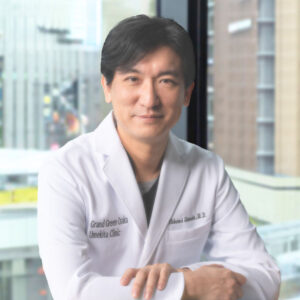
Director, Medical Corporation Shimada Clinic
Head of Clinical Practice, Grand Green Osaka Umekita Clinic
Hidenori Shimada
Graduated from the University of Tokushima Faculty of Medicine in 2005. After his initial residency, he obtained U.S. medical certification (ECFMG) and trained as a sub-intern in general surgery at the University of Washington. After completing the doctoral program at Kyoto University Graduate School of Medicine and working as a researcher at the Center for iPS Cell Research and Application (CiRA), Kyoto University, he founded Shimada Clinic in 2013. At Grand Green Osaka Umekita Clinic (https://umekitaclinic.org), he is engaged in a wide range of care, from internal medicine and pediatrics to cell therapy and aesthetic medicine.
* The physician supervision of this article covers its academic content only and does not constitute a recommendation of any specific treatment or product.