Hello, I am Dr. Hidenori Shimada of Grand Green Osaka Umekita Clinic in Osaka, Japan.
Standard cancer treatments, such as surgery, chemotherapy, and radiation therapy, form the foundation of modern oncology. However, researchers and clinicians continue to seek new options to complement these approaches. Cancer immunotherapy, which harnesses the body’s own immune system to fight cancer, has emerged as a significant fourth pillar of treatment. This field has evolved rapidly over several decades, leading to what can be understood as three distinct generations of therapy. This article explores this evolution and explains where NKT cell therapy, a newer approach, fits into this landscape.
A Historical Look: The Three Generations of Cancer Immunotherapy
To understand the potential of current treatments, it’s helpful to look at their historical context. The journey of cancer immunotherapy can be broadly categorized into three phases, each with a different strategy for engaging the immune system.
- First-Generation Immunotherapy (1970s-1980s): This earliest phase focused on non-specifically activating the entire immune system. The idea was that a general boost to immunity might help control cancer. Therapies like LAK (Lymphokine-Activated Killer) cell therapy and cytokine treatments (e.g., Interleukin-2) were part of this era. While groundbreaking, their effects were often limited and not targeted specifically at cancer cells.
- Second-Generation Immunotherapy (1990s-Today): Research then shifted to targeting immune cells that directly attack cancer. This generation includes treatments like dendritic cell therapy and killer T cell therapy. These methods aimed to train specific cells to recognize and eliminate cancer. While this was a significant step forward, challenges remained, such as cancer cells evading detection or the immune response not being sustained over the long term. Many immunotherapies offered in private practice today fall into this category.
- Third-Generation Immunotherapy (2010s-Today): The latest generation operates on a more sophisticated concept: activating the ‘commanders’ of the immune system to orchestrate a comprehensive and sustained attack. This approach aims to mobilize multiple arms of the immune system, addressing the limitations of previous generations.
Where NKT Cell Therapy Fits In: A Third-Generation Approach
NKT cell-targeted therapy is considered a third-generation immunotherapy. Instead of targeting just one type of immune cell, it focuses on activating Natural Killer T (NKT) cells. Discovered in 1986, NKT cells are unique lymphocytes that act as commanders, bridging the gap between the innate and adaptive immune systems.
When activated, NKT cells can initiate a broad and powerful anti-tumor response. They stimulate other key immune players, including NK cells (part of the innate response) and killer T cells (part of the adaptive response). This coordinated attack may be effective against cancer cells, including those that have learned to hide from the immune system by altering their surface markers (HLA expression). This ability to orchestrate a multi-pronged, continuous attack is what distinguishes it as a third-generation therapy.
Important Considerations Before Pursuing Treatment
When exploring advanced treatments like NKT cell therapy, it is crucial for patients to have a clear understanding of what is involved. This therapy is not a replacement for standard treatments but may be considered as an option depending on an individual’s condition.
A thorough consultation with a physician is essential to determine if this treatment is appropriate for your specific type and stage of cancer. It is important to note that NKT cell therapy is provided as a private medical practice and is not covered by Japanese National Health Insurance. In Japan, such advanced cell therapies are regulated under the Act on the Safety of Regenerative Medicine. During your consultation, the doctor will explain the treatment plan, expected duration, potential risks, and possible side effects. All treatment decisions should be made based on this professional medical advice.
Learn More at Grand Green Osaka Umekita Clinic
The evolution from first-generation to third-generation cancer immunotherapy reflects a deepening understanding of the complex relationship between cancer and the immune system. NKT cell therapy represents a modern approach aimed at overcoming the hurdles faced by earlier treatments.
At Grand Green Osaka Umekita Clinic, located in the Umeda area of Osaka, we provide consultations for patients interested in learning more about NKT cell-targeted therapy. We encourage you to gather accurate information to make an informed decision with your healthcare provider. For more detailed information about this treatment, including the process, potential costs, and what to expect, please visit our dedicated information page.
Learn more about NKT Cell-Targeted Therapy here.
Summary: The Evolving Landscape of Immunotherapy
The field of cancer immunotherapy has progressed significantly, moving from broad immune stimulation to highly orchestrated, multi-faceted strategies. Third-generation treatments like NKT cell therapy offer a new perspective by activating the immune system’s command structure. However, it is one of many available options, and its suitability depends on individual medical circumstances. The most appropriate treatment path can only be determined after a comprehensive evaluation and discussion with a qualified physician.
References
- PubMed: The duplexity of unconventional T cells in cancer. (2022)
- PubMed: Natural Killer T Cells: An Ecological Evolutionary Developmental Biology Perspective. (2017)
- PubMed: Melanoma causes phenotypic modulations and metabolic switches of iNKT cells influencing clinical outcomes. (2025)
- PMC: Mixed Signals: Co-Stimulation in Invariant Natural Killer T Cell-Mediated Cancer Immunotherapy. (2017)
- PMC: invariant Natural Killer T cell therapy as a novel therapeutic approach in hematological malignancies. (2024)
- PMC: CAR-T cell therapy in cancer immunotherapy – Biology, clinical successes, and emerging challenges: A review. (2026)
- PMC: Resistance mechanisms and potential therapeutic strategies in relapsed or refractory natural killer/T cell lymphoma. (2024)
- MHLW (Japan): Regenerative Medicine — Ministry of Health, Labour and Welfare, Japan
Supervising Physician
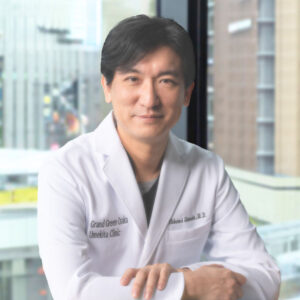
Director, Medical Corporation Shimada Clinic
Head of Clinical Practice, Grand Green Osaka Umekita Clinic
Hidenori Shimada
Graduated from the University of Tokushima Faculty of Medicine in 2005. After his initial residency, he obtained U.S. medical certification (ECFMG) and trained as a sub-intern in general surgery at the University of Washington. After completing the doctoral program at Kyoto University Graduate School of Medicine and working as a researcher at the Center for iPS Cell Research and Application (CiRA), Kyoto University, he founded Shimada Clinic in 2013. At Grand Green Osaka Umekita Clinic (https://umekitaclinic.org), he is engaged in a wide range of care, from internal medicine and pediatrics to cell therapy and aesthetic medicine.
* The physician supervision of this article covers its academic content only and does not constitute a recommendation of any specific treatment or product.