Hello, I am Dr. Hidenori Shimada of Grand Green Osaka Umekita Clinic in Osaka, Japan.
NKT cell-targeted therapy is gaining attention as an advanced form of cancer immunotherapy. For patients, especially those from overseas considering medical tourism in Japan, understanding its scientific basis and regulatory standing is crucial. This therapy has a unique history within the Japanese healthcare system, having been evaluated under a specific framework called “Advanced Medical Care B.” This article explains this regulatory journey, providing insight into how this treatment transitioned from a nationally recognized investigational therapy to being available in private practice, helping you make a more informed decision.
What is NKT Cell-Targeted Therapy?
NKT cell-targeted therapy is a type of cancer immunotherapy that leverages a specific group of immune cells called Natural Killer T (NKT) cells. Discovered in Japan, NKT cells are often described as the “commanders” of the immune system because they can activate various other immune cells to mount a coordinated attack against cancer cells. The therapy aims to artificially activate a patient’s own NKT cells, which in turn mobilize the entire immune system—both innate and adaptive immunity—to target and fight the cancer continuously. This approach was developed through joint research by Chiba University and RIKEN, a prominent Japanese research institution. It represents what some call a “third generation” of immunotherapy, designed to overcome limitations of earlier methods.
Understanding Japan’s “Advanced Medical Care B” System
To understand the background of NKT cell therapy, it’s important to know about a unique component of the Japanese healthcare system: the “Advanced Medical Care” (Senshin Iryo) program. This system is designed to evaluate new and promising medical technologies that are not yet covered by public health insurance. It acts as a bridge between research and standard clinical practice.
The program is divided into two main categories:
- Advanced Medical Care A: For technologies that have already been approved for use outside Japan or have established evidence.
- Advanced Medical Care B: For novel technologies that require rigorous evaluation of safety and efficacy before they can be considered for insurance coverage. This category involves strict protocols, data collection, and oversight by the government.
Approval under Advanced Medical Care B signifies that a treatment has passed a certain threshold of scientific review and is considered promising enough for formal evaluation within a regulated clinical setting. Patients receiving treatment under this system pay for the advanced portion of the care themselves, while standard procedures like consultations and tests are covered by public insurance.
The Journey of NKT Cell Therapy: From Clinical Trials to Private Practice
The regulatory journey of NKT cell therapy provides a clear example of the Advanced Medical Care B pathway. Following promising results from clinical trials at Chiba University Hospital for patients with advanced lung cancer and head and neck cancers, the therapy was granted approval under the Advanced Medical Care B system in 2011.
This approval was a significant milestone. It allowed the treatment to be offered at select medical institutions under strict governmental oversight, where its effectiveness and safety were further assessed in a real-world clinical context. This period was crucial for gathering data and establishing the therapy’s potential role in cancer care.
The Advanced Medical Care B designation is temporary. After the evaluation period ends, the treatment is reviewed for potential inclusion in the national health insurance plan. If not approved for insurance coverage, it may become available as a private, non-insured medical service. This is the path NKT cell therapy has taken. Today, it is offered as a private cancer therapy, governed by Japan’s Act on the Safety of Regenerative Medicine, which ensures that cell-based therapies are provided under strict safety standards, even outside the insurance system.
Navigating Cancer Treatment Options in Japan
It is essential to understand that NKT cell therapy is not a replacement for standard cancer treatments such as surgery, chemotherapy, and radiation therapy. Instead, it is often considered as an option for patients where standard treatments may no longer be effective, or it may be used in combination with them. The decision to pursue this therapy should always be made in consultation with a qualified physician who can evaluate your specific medical condition.
As this is a private medical treatment (not covered by public insurance), patients are responsible for the full cost. The treatment is provided under the regulations of the Act on the Safety of Regenerative Medicine, which requires clinics to submit their treatment plans to the Ministry of Health, Labour and Welfare for review and approval, ensuring a high standard of safety and ethical conduct.
Key Considerations Before Pursuing NKT Cell Therapy
Before considering any advanced therapy, it is vital to gather comprehensive information. The suitability of NKT cell therapy depends on various factors, including the type and stage of cancer, the patient’s overall health, and previous treatment history. A definitive conclusion cannot be made without a thorough medical assessment.
Key points to discuss with a medical professional include:
- The potential benefits and expected outcomes for your specific case.
- Potential risks, side effects, and how they are managed.
- The estimated number of treatment cycles and the total duration of the therapy.
- The full cost of the treatment, as it is not covered by insurance.
- How this therapy fits with your current or past treatment plans.
A physician’s diagnosis is indispensable for determining if you are a suitable candidate for this treatment.
Consulting with a Specialist in Osaka
For those exploring advanced cancer care options in Japan, Grand Green Osaka Umekita Clinic provides consultations on NKT cell-targeted therapy. Our team can help you understand the treatment in the context of your medical situation. We recognize the importance of clear communication, especially for international patients, and provide information to support your decision-making process.
For detailed information on the treatment process, features, and an overview of the fee structure, please visit our dedicated page on NKT Cell-Targeted Therapy. This resource provides a comprehensive look at the therapy offered at our clinic.
You can find more details here: NKT Cell-Targeted Therapy at Grand Green Osaka Umekita Clinic.
Conclusion: An Informed Path to Advanced Cancer Care
NKT cell-targeted therapy’s journey through Japan’s rigorous Advanced Medical Care B system highlights its foundation in scientific research and clinical evaluation. While now offered as a private treatment, its history provides important context for patients considering this option. Understanding this regulatory pathway helps demystify its status and underscores the importance of seeking expert medical advice. Making an informed choice begins with a thorough understanding of the treatment’s background, potential, and limitations, all of which should be discussed in detail with a healthcare professional.
References
- PMC: Oncologists' Views and Communication Practices Regarding Unproven High-Cost Cancer Interventions in Private Medical Practice: A Questionnaire Survey. (2025)
- MHLW (Japan): Regenerative Medicine — Ministry of Health, Labour and Welfare, Japan
Supervising Physician
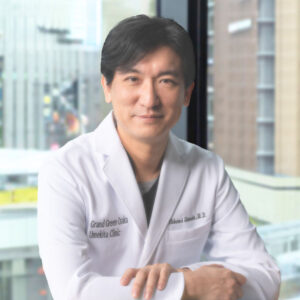
Director, Medical Corporation Shimada Clinic
Head of Clinical Practice, Grand Green Osaka Umekita Clinic
Hidenori Shimada
Graduated from the University of Tokushima Faculty of Medicine in 2005. After his initial residency, he obtained U.S. medical certification (ECFMG) and trained as a sub-intern in general surgery at the University of Washington. After completing the doctoral program at Kyoto University Graduate School of Medicine and working as a researcher at the Center for iPS Cell Research and Application (CiRA), Kyoto University, he founded Shimada Clinic in 2013. At Grand Green Osaka Umekita Clinic (https://umekitaclinic.org), he is engaged in a wide range of care, from internal medicine and pediatrics to cell therapy and aesthetic medicine.
* The physician supervision of this article covers its academic content only and does not constitute a recommendation of any specific treatment or product.