Hello, I am Dr. Hidenori Shimada of Grand Green Osaka Umekita Clinic in Osaka, Japan.
The field of cancer immunotherapy is rapidly evolving, offering new avenues for treatment. Among the most promising advancements is adoptive cell therapy, which uses the body’s own immune cells to fight cancer. You may have heard of treatments like CAR-T therapy, NK cell therapy, and NKT cell-targeted therapy. While they all fall under the umbrella of cell therapy, their mechanisms and approaches are distinct. This article provides a comparative overview to help you understand these differences, with a focus on the NKT cell-targeted therapy available in Japan.
Ultimately, NKT cell-targeted therapy represents a unique strategy in cancer immunotherapy. Unlike therapies that use engineered cells to attack a specific target (CAR-T) or leverage the innate killing ability of a single cell type (NK cells), NKT cell therapy aims to activate the immune system’s ‘commander’ cells. This approach is designed to orchestrate a broad, multi-faceted, and sustained attack against cancer cells. The choice between these therapies is complex and depends on many individual factors, requiring a thorough consultation with a medical professional.
Navigating the Complex World of Cancer Immunotherapy
If you are researching advanced cancer treatments, you might feel overwhelmed by the variety of options and technical terms. It can be challenging to distinguish between different types of cell therapies and understand their potential applications. Common questions include:
- What is the fundamental difference between NKT, CAR-T, and NK cell therapies?
- How do their mechanisms for fighting cancer vary?
- Are certain therapies better suited for specific types of cancer?
- What are the general considerations regarding the safety profiles of each?
This article aims to clarify these points by explaining the basic principles of each therapy, helping you form a clearer perspective before a medical consultation.
CAR-T Therapy: The Genetically Engineered Hunter
Chimeric Antigen Receptor (CAR) T-cell therapy is a highly personalized treatment. It involves collecting a patient’s T-cells (a type of white blood cell) and genetically modifying them in a laboratory. These engineered cells are equipped with a special receptor (the CAR) that allows them to recognize and bind to a specific protein, or antigen, on the surface of cancer cells. Once infused back into the patient, these CAR-T cells act as a ‘living drug,’ actively seeking out and destroying cancer cells that display the target antigen.
CAR-T therapy has shown remarkable success, particularly in treating certain hematologic malignancies (blood cancers) like some types of leukemia and lymphoma. However, its effectiveness in solid tumors is still an area of intensive research. The process is complex, and the powerful immune activation can sometimes lead to significant side effects, which require careful management by a specialized medical team.
NK Cell Therapy: The Innate Immune Sentinel
Natural Killer (NK) cells are another type of immune cell, part of the body’s innate immune system. Unlike T-cells, which need to be ‘trained’ to recognize a specific threat, NK cells can identify and kill abnormal cells, such as cancer cells, without prior sensitization. NK cell therapy involves isolating, expanding, and activating these cells outside the body before re-infusing them into the patient.
This therapy leverages the natural cancer-surveillance function of the immune system. Because NK cells are not engineered to a single target in the same way as CAR-T cells, their action can be broader. Generally, NK cell therapy is considered to have a different safety profile compared to CAR-T, with a potentially lower risk of certain severe side effects. However, challenges can include the persistence of the infused cells and ensuring they effectively reach and eliminate tumor cells.
NKT Cell-Targeted Therapy: The Immune System’s Commander
NKT cell-targeted therapy operates on a different principle. NKT cells are a unique and rare type of lymphocyte that shares properties of both T-cells (adaptive immunity) and NK cells (innate immunity). They are often described as the ‘commanders’ of the immune system. Instead of directly killing cancer cells as their primary function, activating NKT cells triggers a powerful and wide-ranging anti-tumor response.
When activated, NKT cells rapidly release a large amount of cytokines (signaling proteins). This action mobilizes and activates other key immune cells—including NK cells, killer T-cells, and dendritic cells—to launch a coordinated and sustained attack on the cancer. This approach, sometimes referred to as a third-generation immunotherapy, aims to overcome some limitations of earlier therapies by activating the entire immune system against the tumor. Because it doesn’t rely on a single antigen target, it may have potential applicability across a wider range of cancer types, including solid tumors.
Key Differences at a Glance
To summarize the comparison:
- Mechanism: CAR-T therapy uses genetically engineered cells to attack a specific target. NK cell therapy uses the innate ability of NK cells to kill abnormal cells. NKT cell-targeted therapy activates ‘commander’ cells to orchestrate a broad immune response involving multiple cell types.
- Targeting: CAR-T is highly specific to one antigen. NK cells recognize general stress signals on cancer cells. NKT cell activation leads to a multi-pronged attack on the tumor environment.
- Approach: CAR-T is a targeted ‘assassin’ approach. NK therapy is a reinforcement of the body’s natural ‘sentinels.’ NKT therapy is a strategic activation of the immune system’s ‘command structure.’
Considerations Before Pursuing Cell Therapy in Japan
When considering advanced treatments like NKT cell-targeted therapy, it is crucial to have accurate information. This therapy is provided as a private medical treatment and is not covered by Japanese public health insurance. In Japan, such advanced therapies are offered under specific regulatory frameworks, such as the Act on the Safety of Regenerative Medicine, to ensure patient safety and proper oversight.
The decision to pursue any cell therapy is deeply personal and must be based on a comprehensive medical evaluation. A physician’s consultation is essential to determine if a particular treatment is appropriate for your specific condition, cancer type, and overall health. During the consultation, the doctor will discuss the potential benefits, as well as the risks, side effects, expected treatment duration, and associated costs.
At Grand Green Osaka Umekita Clinic, we provide consultations for patients interested in learning more about NKT cell-targeted therapy. For detailed information on the treatment process and what to expect, we encourage you to review our dedicated page. You can find more information about our approach to NKT cell-targeted therapy here: NKT Cell-Targeted Therapy at Grand Green Osaka Umekita Clinic.
In conclusion, while CAR-T, NK, and NKT therapies are all powerful forms of immunotherapy, their underlying strategies differ significantly. Understanding these differences is the first step toward making an informed decision with your healthcare provider. The goal is not just to fight the disease, but to do so with a clear understanding of the treatment philosophy and what it entails.
References
- PMC: An overview of multiplexed analyses of CAR T-cell therapies: insights and potential. (2021)
- PMC: Combining the induced pluripotent stem cell (iPSC) technology with chimeric antigen receptor (CAR)-based immunotherapy: recent advances, challenges, and future prospects. (2024)
- PMC: CAR-T-Cell Therapy Based on Immune Checkpoint Modulation in the Treatment of Hematologic Malignancies. (2024)
- PMC: Current challenges and emerging opportunities of chimeric antigen receptor-engineered cell immunotherapy. (2025)
- MHLW (Japan): Regenerative Medicine — Ministry of Health, Labour and Welfare, Japan
Supervising Physician
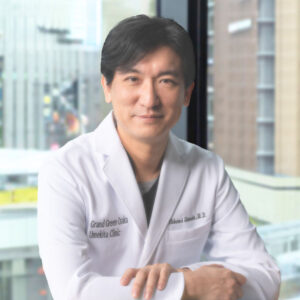
Director, Medical Corporation Shimada Clinic
Head of Clinical Practice, Grand Green Osaka Umekita Clinic
Hidenori Shimada
Graduated from the University of Tokushima Faculty of Medicine in 2005. After his initial residency, he obtained U.S. medical certification (ECFMG) and trained as a sub-intern in general surgery at the University of Washington. After completing the doctoral program at Kyoto University Graduate School of Medicine and working as a researcher at the Center for iPS Cell Research and Application (CiRA), Kyoto University, he founded Shimada Clinic in 2013. At Grand Green Osaka Umekita Clinic (https://umekitaclinic.org), he is engaged in a wide range of care, from internal medicine and pediatrics to cell therapy and aesthetic medicine.
* The physician supervision of this article covers its academic content only and does not constitute a recommendation of any specific treatment or product.