Hello, I am Dr. Hidenori Shimada of Grand Green Osaka Umekita Clinic in Osaka, Japan.
When discussing cancer treatment, the conversation often centers on shrinking or eliminating tumors. While these are certainly positive outcomes, they are not the only measures of success. For many patients, especially those with advanced cancer, achieving ‘Stable Disease’ can be a profoundly meaningful goal. This article explores the importance of stable disease as a therapeutic outcome, particularly in the context of advanced treatments like NKT cell-targeted therapy available at our clinic in Osaka.
Redefining Success: What Stable Disease Means for Patients
In the journey of cancer treatment, patients and their families often hope for a complete response where the cancer disappears entirely. However, the reality of managing advanced cancer can involve different, yet equally valuable, objectives. The primary goal often shifts towards controlling the disease, managing symptoms, and, most importantly, maintaining or improving the patient’s quality of life (QOL).
Stable Disease (SD) refers to a state where the cancer has neither grown nor shrunk significantly according to medical imaging. It signifies that the treatment is effectively halting the progression of the disease. For someone facing a progressing illness, stopping it in its tracks is a significant achievement. It can provide precious time, reduce cancer-related symptoms, and allow for a better quality of life, enabling patients to continue their daily activities and spend meaningful time with loved ones.
Understanding Tumor Response: The RECIST Criteria
To objectively evaluate how a tumor responds to treatment, oncologists often use a standardized set of rules called the Response Evaluation Criteria in Solid Tumors (RECIST). This framework helps ensure consistent evaluation across different studies and clinics. It categorizes treatment outcomes into four main groups:
- Complete Response (CR): The disappearance of all signs of cancer in response to treatment.
- Partial Response (PR): At least a 30% decrease in the size of the tumor.
- Stable Disease (SD): The tumor has not shrunk enough to qualify for PR nor grown enough to be considered PD. The cancer is being held in check.
- Progressive Disease (PD): At least a 20% increase in the size of the tumor, or new tumors have appeared.
While CR and PR are often highlighted, SD is a crucial indicator that a therapy is exerting a biological effect. It prevents the disease from worsening, which is a primary objective in many advanced cancer treatment scenarios.
The Role of NKT Cell Therapy in Achieving Disease Stability
NKT cell-targeted therapy is a form of immunotherapy that aims to activate the patient’s own immune system to fight cancer. Unlike treatments that directly attack cancer cells with chemicals, this therapy works by stimulating NKT cells, which act as ‘commanders’ of the immune system. This activation can lead to a broad and sustained anti-tumor immune response.
The mechanism of immunotherapy may not always result in rapid tumor shrinkage. Instead, it can work to control tumor growth over a longer period. Therefore, achieving stable disease through NKT cell therapy can be a strong indication that the immune system has been successfully engaged to manage the cancer. This control can contribute to longer survival and a better quality of life by preventing further progression and related complications.
Quality of Life as a Primary Goal in Advanced Cancer Care
For patients with advanced cancer, treatment decisions are often a balance between potential benefits and side effects. An aggressive treatment that causes severe side effects might shrink a tumor but drastically reduce a patient’s quality of life. In contrast, a therapy that achieves stable disease with a manageable side effect profile can be a preferable option.
By preventing tumor growth, stable disease can help alleviate pain, fatigue, and other symptoms associated with cancer progression. This allows patients to maintain their independence and continue to engage in activities they value. The focus shifts from solely fighting the disease to living well with the disease, making stable disease a highly desirable and clinically relevant outcome.
Considerations Before Your Consultation
Deciding on a treatment path requires a thorough discussion with a medical professional. Before a consultation, it can be helpful to think about your personal treatment goals. Are you prioritizing tumor shrinkage above all else, or is maintaining your current quality of life and preventing progression more important? Sharing these priorities with your doctor is crucial.
It is important to understand that NKT cell-targeted therapy is an advanced treatment provided as elective, non-insured medical care. In Japan, it is offered under specific regulations, including the Act on the Safety of Regenerative Medicine. The suitability, potential outcomes, risks, and side effects of this therapy must be carefully evaluated by a physician based on your individual medical condition. A doctor’s consultation is essential to determine if this approach is appropriate for you. This includes a detailed explanation of the treatment process, expected number of sessions, duration, and associated costs.
Learn More About Advanced Cancer Treatment in Japan
Understanding the nuances of cancer treatment outcomes like stable disease empowers patients to have more informed conversations with their healthcare providers. At Grand Green Osaka Umekita Clinic, located in the Umeda area of Osaka, our team is available to discuss advanced treatment options, including NKT cell-targeted therapy. For a deeper understanding of how this therapy works, its features, and the process at our clinic, we invite you to review our detailed information page, which is also available in multiple languages.
Learn more about NKT Cell-Targeted TherapyUltimately, the goal of any cancer treatment is to help patients live longer and better lives. Recognizing stable disease as a valuable outcome is a key part of a patient-centered approach to care, especially in the context of innovative immunotherapies. A comprehensive medical assessment is always required to make an informed decision.
References
- PMC: Clinical applications of natural killer T cell-based immunotherapy for cancer. (2008)
- PMC: The Current Landscape of NKT Cell Immunotherapy and the Hills Ahead. (2021)
- PMC: The development and application of chimeric antigen receptor natural killer (CAR-NK) cells for cancer therapy: current state, challenges and emerging therapeutic advances. (2024)
- PMC: NKT cells as an ideal anti-tumor immunotherapeutic. (2013)
- MHLW (Japan): Regenerative Medicine — Ministry of Health, Labour and Welfare, Japan
Supervising Physician
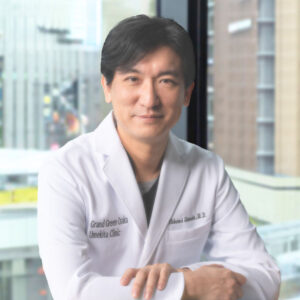
Director, Medical Corporation Shimada Clinic
Head of Clinical Practice, Grand Green Osaka Umekita Clinic
Hidenori Shimada
Graduated from the University of Tokushima Faculty of Medicine in 2005. After his initial residency, he obtained U.S. medical certification (ECFMG) and trained as a sub-intern in general surgery at the University of Washington. After completing the doctoral program at Kyoto University Graduate School of Medicine and working as a researcher at the Center for iPS Cell Research and Application (CiRA), Kyoto University, he founded Shimada Clinic in 2013. At Grand Green Osaka Umekita Clinic (https://umekitaclinic.org), he is engaged in a wide range of care, from internal medicine and pediatrics to cell therapy and aesthetic medicine.
* The physician supervision of this article covers its academic content only and does not constitute a recommendation of any specific treatment or product.