Hello, I am Dr. Hidenori Shimada of Grand Green Osaka Umekita Clinic in Osaka, Japan.
Choosing to travel to Japan for advanced therapeutic options like NKT Cell-Targeted Therapy is a significant decision in one’s healthcare plan. However, the process does not conclude upon returning home. A crucial component for long-term management is a well-structured follow-up plan, particularly for international patients. This article explains the importance of post-treatment monitoring and how to effectively coordinate with your local physician to ensure continuity of care.
Why a Post-Treatment Follow-Up Plan is Essential
Long-term management is a key aspect of cancer care. Therapies like NKT cell therapy are part of a broader, ongoing strategy. A comprehensive follow-up plan is essential for several reasons. It allows your medical team to monitor your body’s response to the therapy over time, manage any potential delayed side effects, and make informed decisions about subsequent steps in your care protocol. For international patients, this requires seamless collaboration between the specialists at Grand Green Osaka Umekita Clinic and your primary oncologist or physician in your home country. This partnership ensures that your care remains consistent and tailored to your evolving health needs, bridging the geographical distance.
Key Components of Your NKT Cell Therapy Follow-Up
After completing your NKT cell therapy sessions in Japan, a structured follow-up process begins. While your physician will create a personalized plan, it generally includes several core elements designed to track your progress and maintain your well-being.
- Comprehensive Medical Records: We provide a detailed summary of the treatment you received, including dates, specifics of the cell product, and any immediate observations. This report, available in English, is a vital document for your local doctor to understand the care you received.
- Personalized Monitoring Schedule: Your follow-up will involve a schedule of check-ups. This may include blood tests, imaging scans (such as CT or MRI), and clinical assessments to evaluate the treatment’s effects. The frequency and type of monitoring will depend on your specific cancer type, its stage, and your overall health.
- Open Communication Channels: Establishing a clear line of communication between you, your home doctor, and our clinic is paramount. This ensures that any questions can be addressed promptly and that all members of your care team are aligned on your health status and future plans.
- Management of Long-Term Health: The goal of follow-up is not just to monitor for cancer but also to manage your overall health. This includes observing for and addressing any late-onset side effects. It is important to report any new or changing symptoms to your local physician, who can then consult with our specialists if needed.
Coordinating with Your Doctor in Your Home Country
Successful long-term care hinges on effective collaboration. We encourage patients to begin this process even before traveling to Japan. Informing your primary oncologist about your plan to receive NKT cell therapy allows them to be an active partner from the start. After you return home, the first step is to schedule a consultation with them to share the treatment summary and the follow-up recommendations from our clinic. Your local doctor will then integrate this information into your ongoing care plan. They will typically manage the prescribed tests and appointments locally, providing a convenient and continuous point of care. This collaborative approach ensures that you receive the benefits of both specialized immunotherapy from Japan and consistent, accessible care in your own community.
Understanding NKT Cell-Targeted Therapy at Our Clinic
NKT Cell-Targeted Therapy is a form of cancer immunotherapy. It is important for patients to understand that this treatment is offered as an elective treatment not covered by public health insurance. In Japan, cell therapies like this are provided under the regulations of the Act on the Safety of Regenerative Medicine, which establishes standards for their provision.
This therapy should be considered in conjunction with, and not as a replacement for, standard cancer treatments such as surgery, chemotherapy, and radiation therapy. The suitability of NKT cell therapy, its potential outcomes, risks, and side effects are highly individual and must be carefully assessed by a physician based on your specific medical condition. A thorough medical consultation is necessary to determine if you are an appropriate candidate. For more detailed information about the treatment itself, please visit our NKT Cell-Targeted Therapy page.
Preparing for Your Consultation in Osaka
If you are considering NKT cell therapy, the first step is a consultation. At Grand Green Osaka Umekita Clinic, located in the Umeda area of Osaka, we are prepared to assist international patients. To make the most of your consultation, we recommend preparing your complete medical history, including recent test results and imaging reports. It is also helpful to compile a list of questions you have about the therapy, the process, and the follow-up care. This preparation helps facilitate a productive discussion with our medical team, ensuring you receive the information needed to make a well-informed decision about your health. Our goal is to provide a clear understanding of the treatment options available at our clinic.
Summary: A Coordinated Approach to Long-Term Care
The process of cancer care is ongoing, and receiving treatment abroad is just one part of it. For international patients undergoing NKT Cell-Targeted Therapy in Japan, a proactive and collaborative follow-up plan is key to long-term management. By working closely with both your specialists in Japan and your primary physician at home, you can ensure a smooth transition and continuous, high-quality care. A well-coordinated follow-up not only monitors the treatment’s effectiveness but also empowers you with a comprehensive support system, no matter where you are in the world. A final decision regarding treatment will always be based on a physician’s diagnosis.
References
- PubMed: CAR T Cells and T-Cell Therapies for Cancer: A Translational Science Review. (2024)
- PubMed: Long-term outcomes following CAR T cell therapy: what we know so far. (2023)
- PubMed: Treatment with Living Drugs: Pharmaceutical Aspects of CAR T Cells. (2022)
- PubMed: Late complications and long-term care of adult CAR T-cell patients. (2024)
- PubMed: Enhanced CAR T-Cell Therapy for Lymphoma after Previous Failure. (2025)
- PMC: Connecting the dots: artificial antigen presenting cell-mediated modulation of natural killer T cells. (2012)
- PMC: Activated iNKT cells enhance the anti-tumor effect of antigen specific CD8 T cells on mesothelin-expressing salivary gland cancer. (2018)
- PMC: Tumor-reactive immune cells protect against metastatic tumor and induce immunoediting of indolent but not quiescent tumor cells. (2016)
- MHLW (Japan): Regenerative Medicine — Ministry of Health, Labour and Welfare, Japan
Supervising Physician
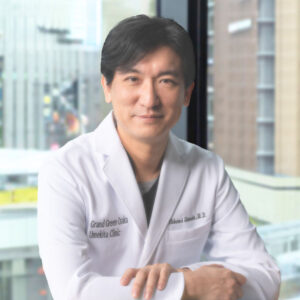
Director, Medical Corporation Shimada Clinic
Head of Clinical Practice, Grand Green Osaka Umekita Clinic
Hidenori Shimada
Graduated from the University of Tokushima Faculty of Medicine in 2005. After his initial residency, he obtained U.S. medical certification (ECFMG) and trained as a sub-intern in general surgery at the University of Washington. After completing the doctoral program at Kyoto University Graduate School of Medicine and working as a researcher at the Center for iPS Cell Research and Application (CiRA), Kyoto University, he founded Shimada Clinic in 2013. At Grand Green Osaka Umekita Clinic (https://umekitaclinic.org), he is engaged in a wide range of care, from internal medicine and pediatrics to cell therapy and aesthetic medicine.
* The physician supervision of this article covers its academic content only and does not constitute a recommendation of any specific treatment or product.